
A coroner’s report and a wrongful death lawsuit emerging from Weslaco, Texas, are now forcing a reckoning across the functional energy drink segment, as scrutiny over caffeine thresholds, labelling transparency, and youth-targeted marketing reaches an inflection point that brands can no longer afford to ignore.
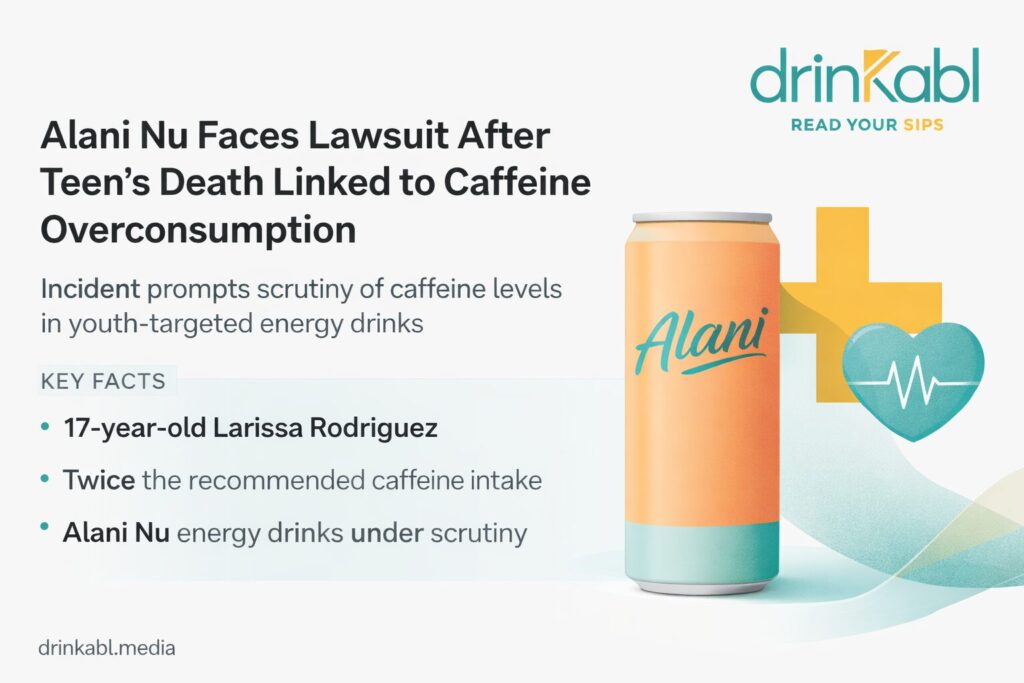
The death of 17-year-old Larissa Rodriguez last October, attributed to an enlarged heart worsened by stress and excessive caffeine consumption from Alani Nu energy drinks, has placed one of the sector’s fastest-growing labels at the centre of a legal and regulatory storm. Rodriguez, a high-achieving student accepted into nearly 20 colleges and universities, died before the broader implications of her case began to surface publicly.
The lawsuit, filed against Alani Nu and its distributor Glazer’s Beer and Beverage, alleges that the brand’s products contain twice the maximum daily caffeine intake recommended for adolescents. More critically, the filing contends that the beverages include undisclosed quantities of stimulants with known links to cardiac stress and fatality, a claim that, if substantiated, would represent a significant failure in formulation transparency and consumer safety disclosure.
Alani Nu’s meteoric rise, driven by aggressive social media campaigns, influencer partnerships, and a pastel-branded aesthetic that resonates strongly with Gen Z consumers, has long attracted questions about its positioning relative to younger demographics. The brand’s distribution footprint expanded rapidly through partnerships with major retail and convenience chains, placing high-caffeine products within easy reach of teenagers nationwide.
Industry observers note that the Rodriguez case did not emerge in isolation. Regulatory bodies and public health advocates had been raising alarms about energy drink consumption among minors for several years, with particular concern over brands that blend health-forward branding with stimulant-heavy formulations. The gap between perception and product reality, in this case, appears to have had fatal consequences.
For the broader energy drink category, the case arrives at a moment of intensifying oversight. Brands operating in the functional and performance segment now face mounting pressure to revisit caffeine disclosures, strengthen age-related marketing guardrails, and engage proactively with emerging regulatory frameworks before legislative action forces their hand.
The outcome of this lawsuit could set precedent not only for Alani Nu but for the formulation and labelling standards applied across the entire category.
Read More
For further reading on energy drink regulation, functional beverage trends, and brand accountability within the sector, visit Drinkabl.media.