Africa’s Beverage Problem Isn’t Production. It’s Storytelling.
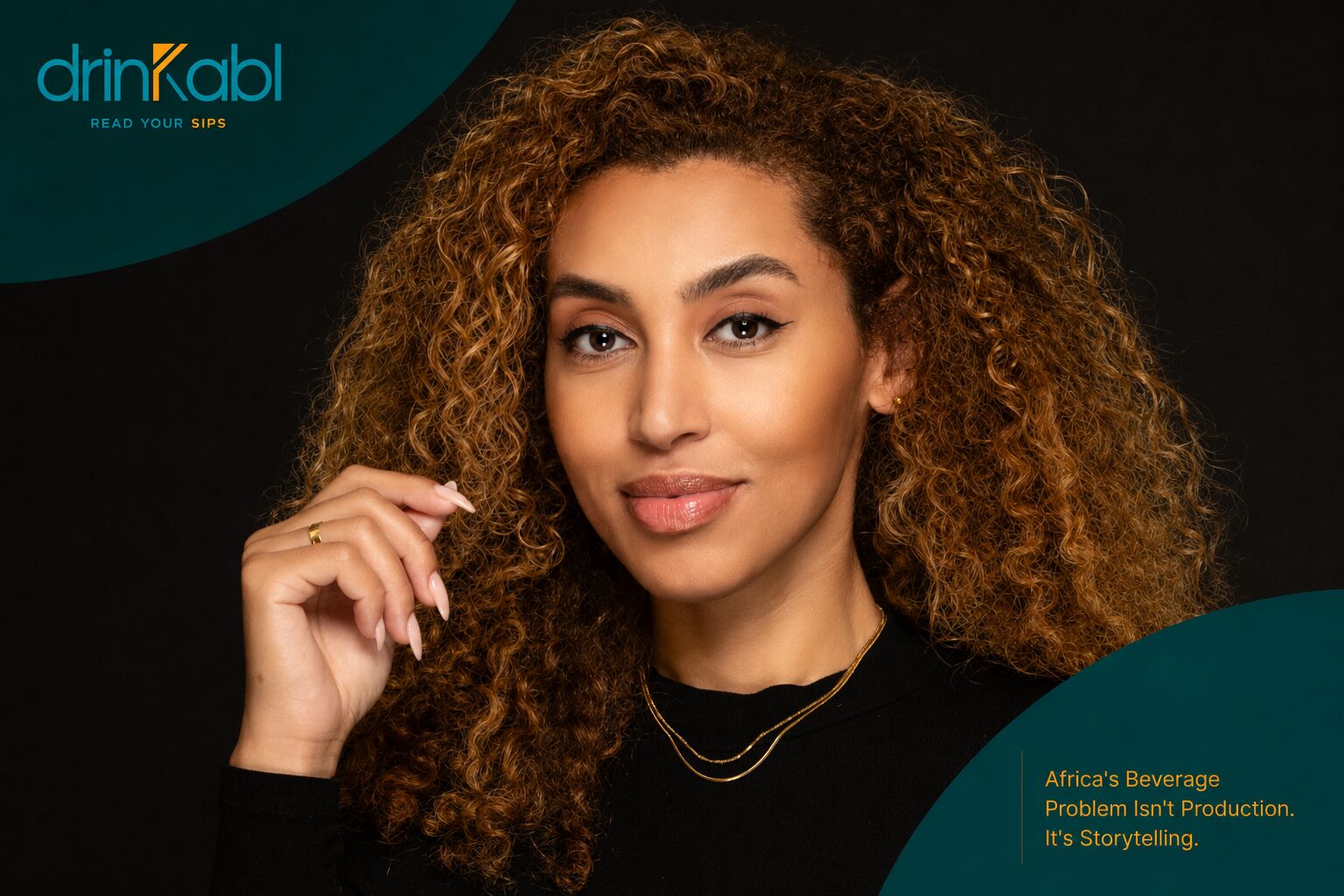
Kanessa Muluneh, founder of Nyle Investment Group, told beverage executives in Nairobi that Africa’s real gap isn’t manufacturing capacity. It’s the ability to turn local

Kanessa Muluneh, founder of Nyle Investment Group, told beverage executives in Nairobi that Africa’s real gap isn’t manufacturing capacity. It’s the ability to turn local
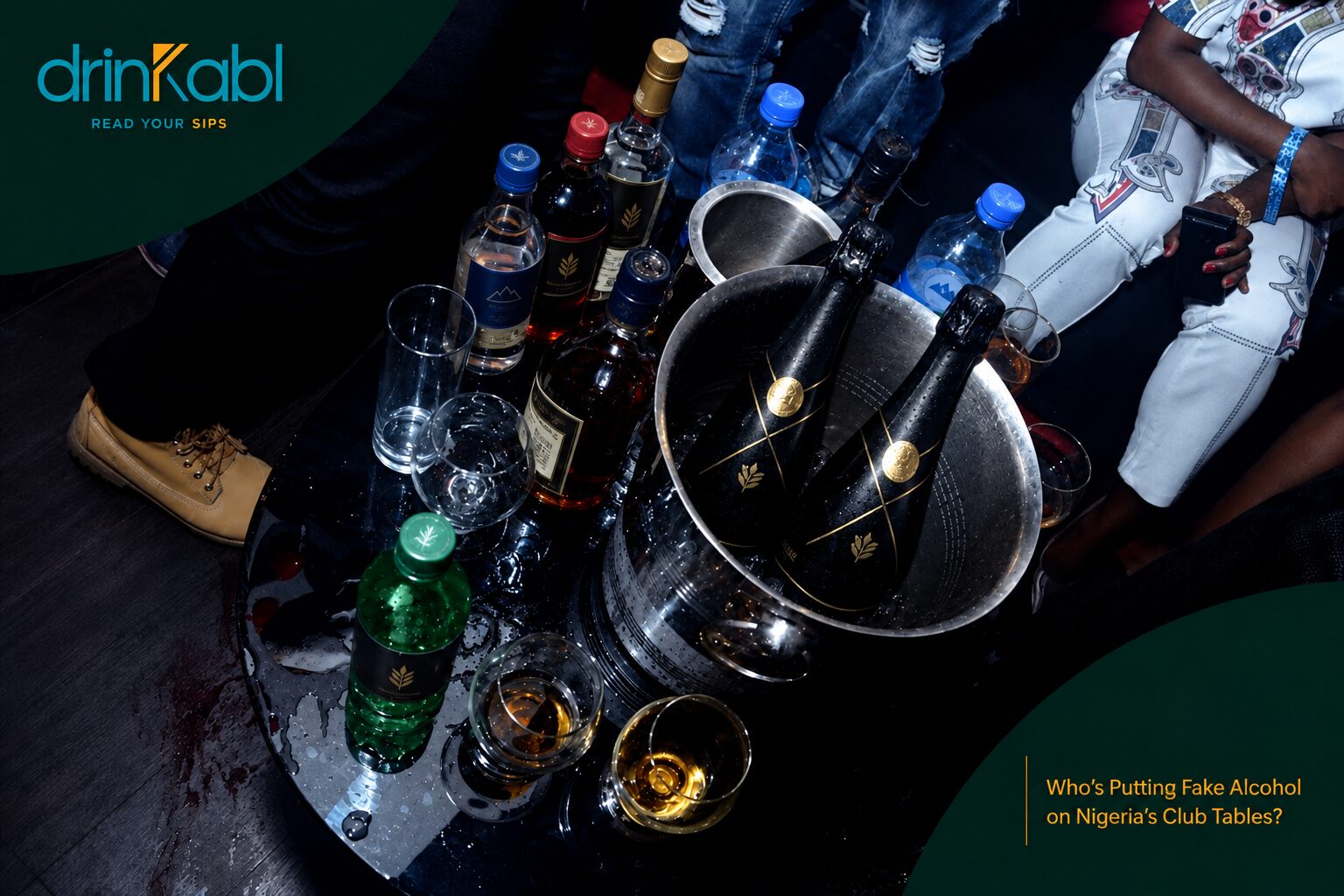
A consumer who orders a bottle of whisky, vodka or cognac at a licensed Lagos nightclub assumes the price guarantees authenticity. Evidence from Nigeria, Kenya
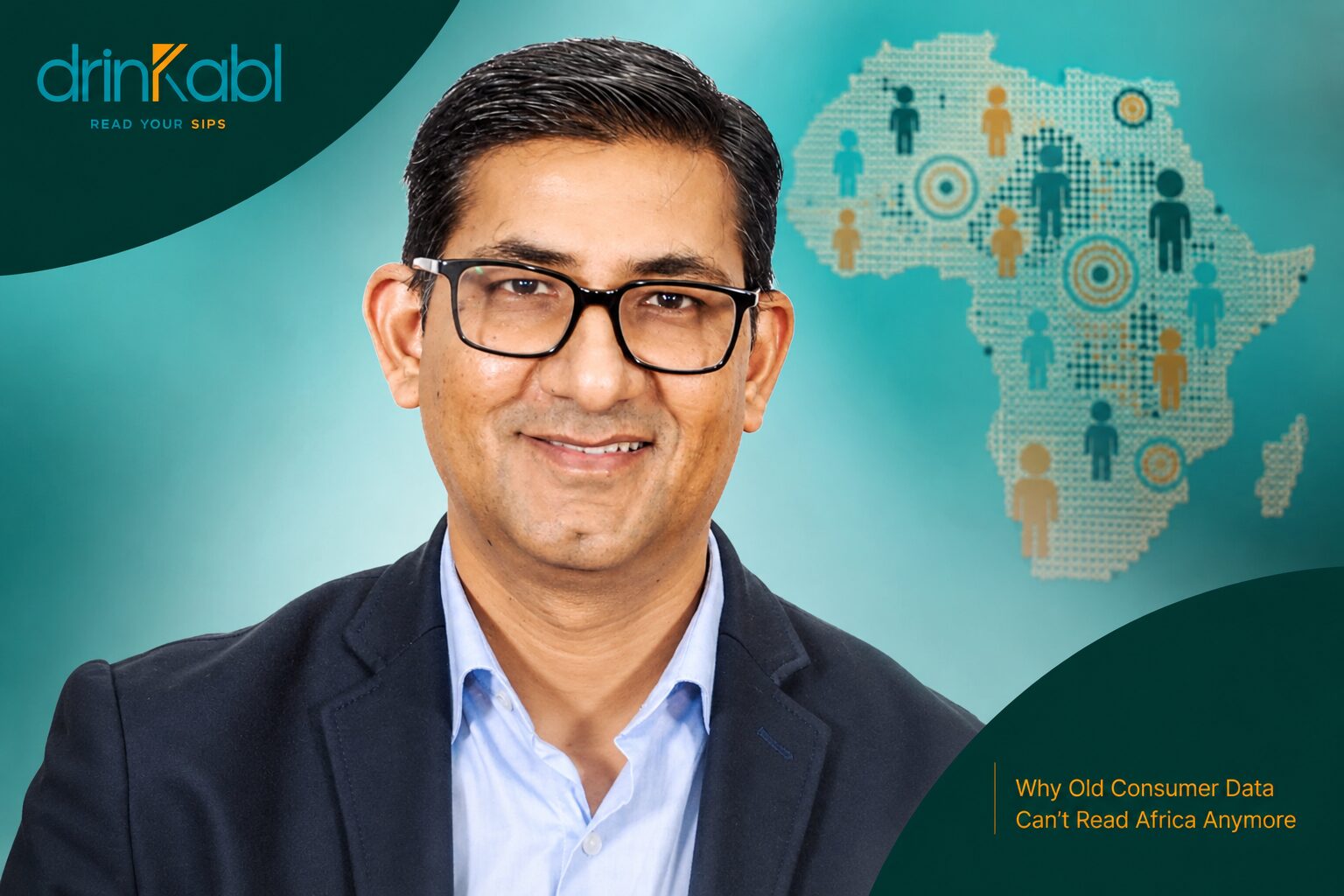
African beverage companies that plan around last year’s research may already be chasing a consumer who has moved on. That was the core argument at
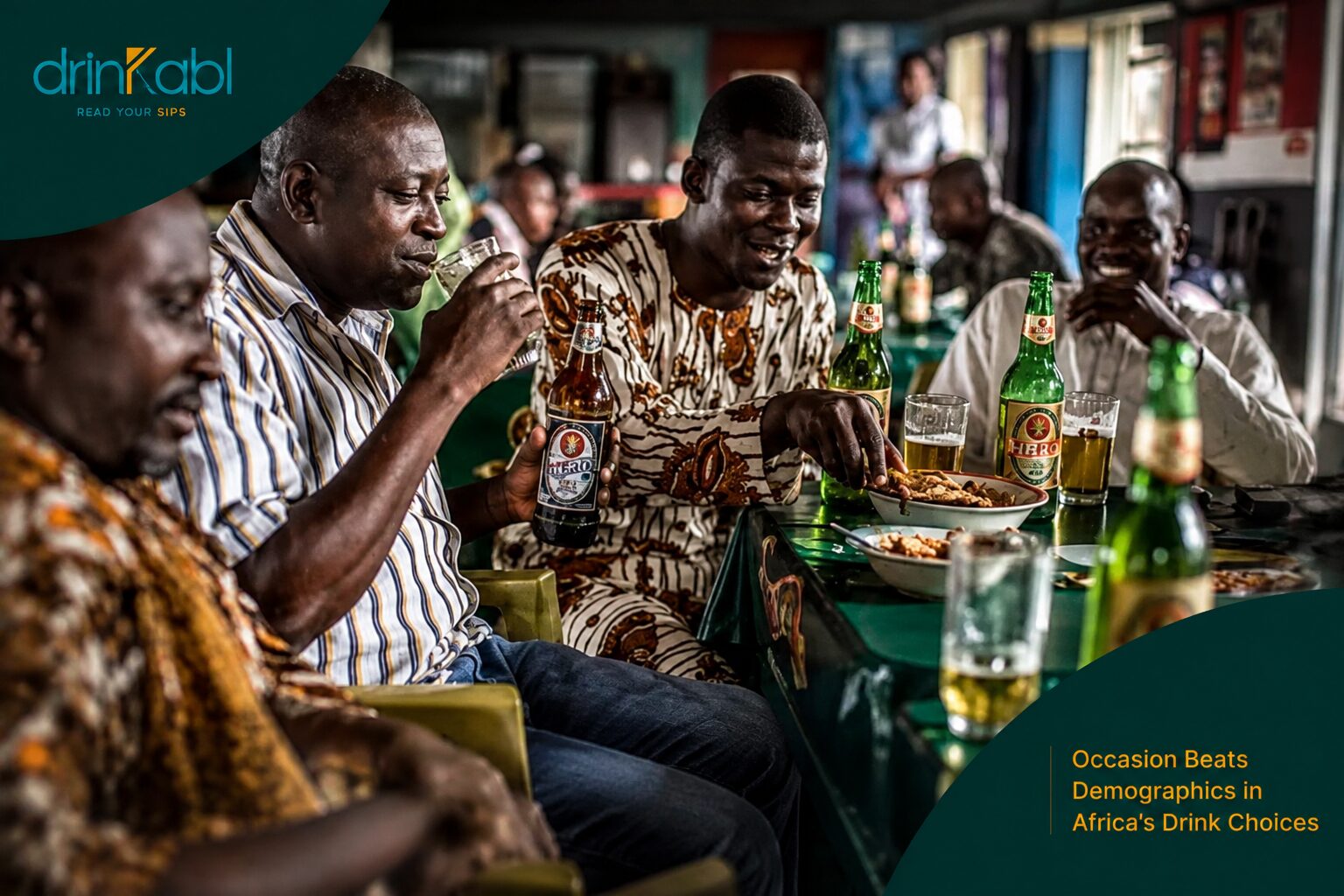
Occasion, not age or income, predicts what African beverage consumers buy, Franklin Ozekhome, founder of Pop Culture Varsity, told our Culture & Consumer Trends panel

For someone who has spent years drinking heavily, stopping can look from the outside like a finish line. For many people who have lived through
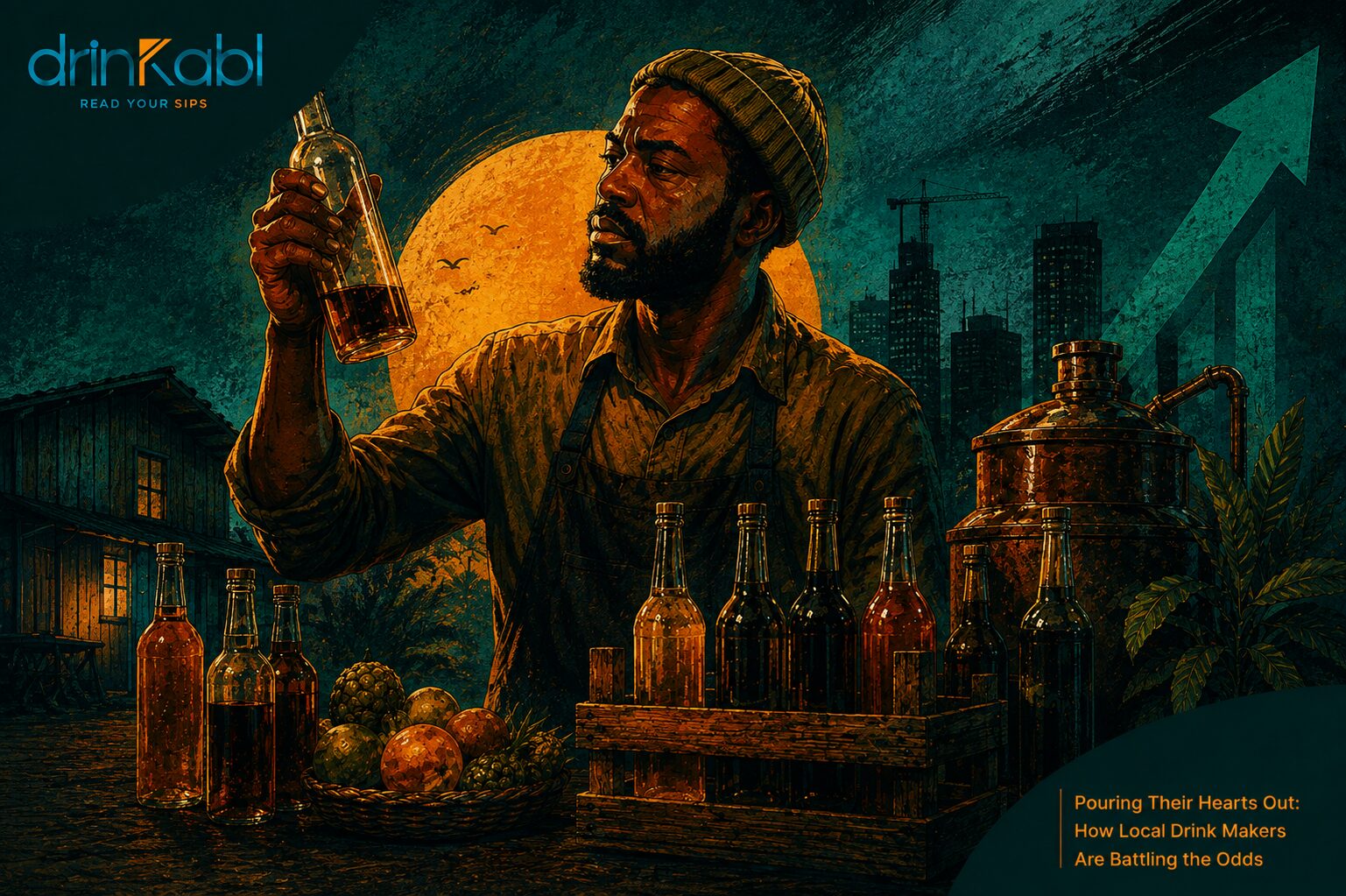
Across Africa, founders are mixing, bottling and hustling their way into a beverage market that rewards persistence but rarely makes it easy. The product is

Nigeria’s headline inflation rate fell to 15.43% in July 2026, down from 15.91% in June and sharply below the 24.94% recorded a year earlier. But
Nigerians spent roughly ₦1.41 trillion, about $1.03 billion, on beer, malt drinks and spirits in the first half of 2026, even as a public-health-driven alcohol
Africa’s beverage opportunity remains substantial, but the consumer proposition is changing fast. The question for beverage companies is no longer simply how to sell more
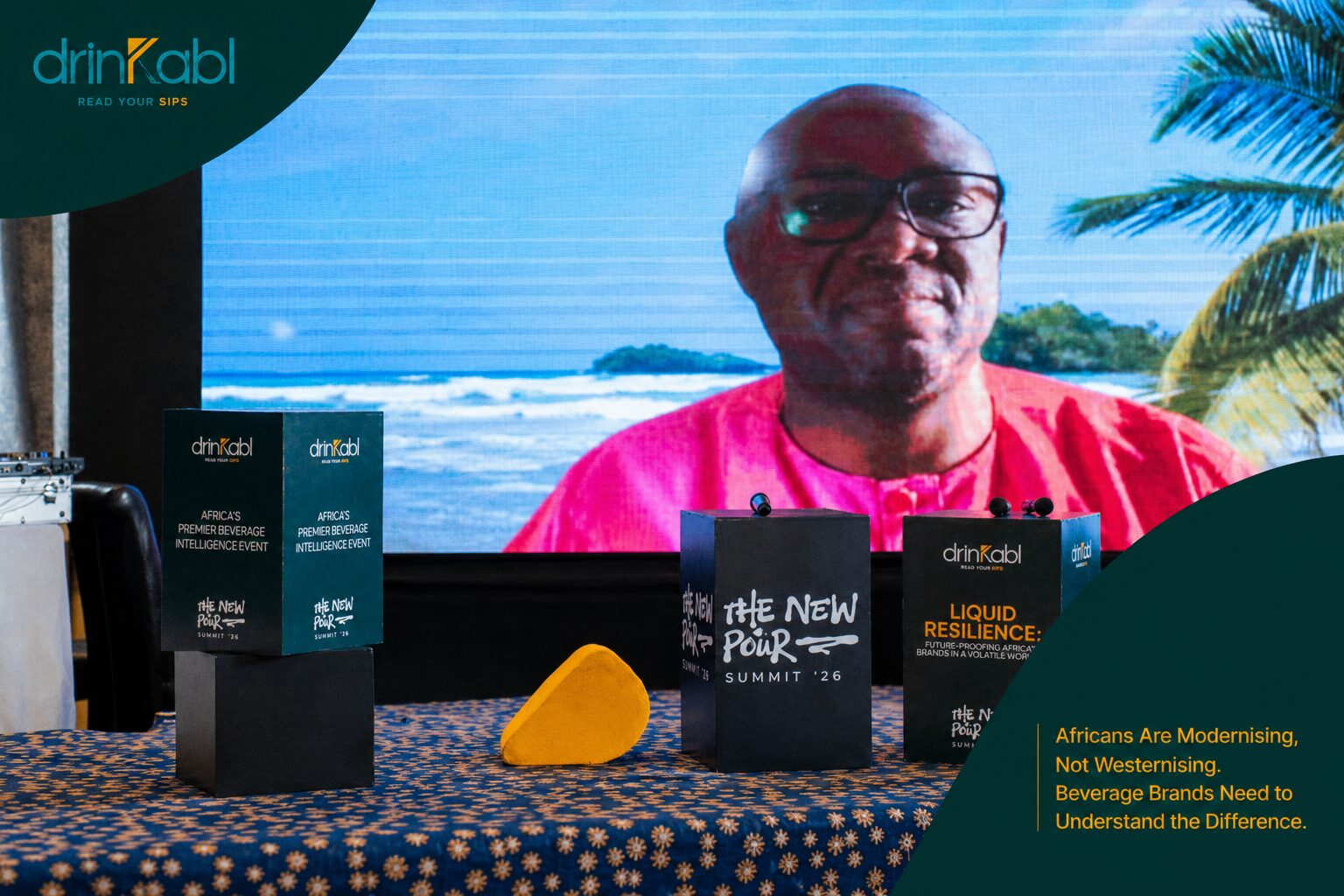
At The New Pour Summit ’26 in Nairobi, consumer strategist Feyi Olubodun offered beverage brands a deceptively simple warning: African consumers are changing, but that