

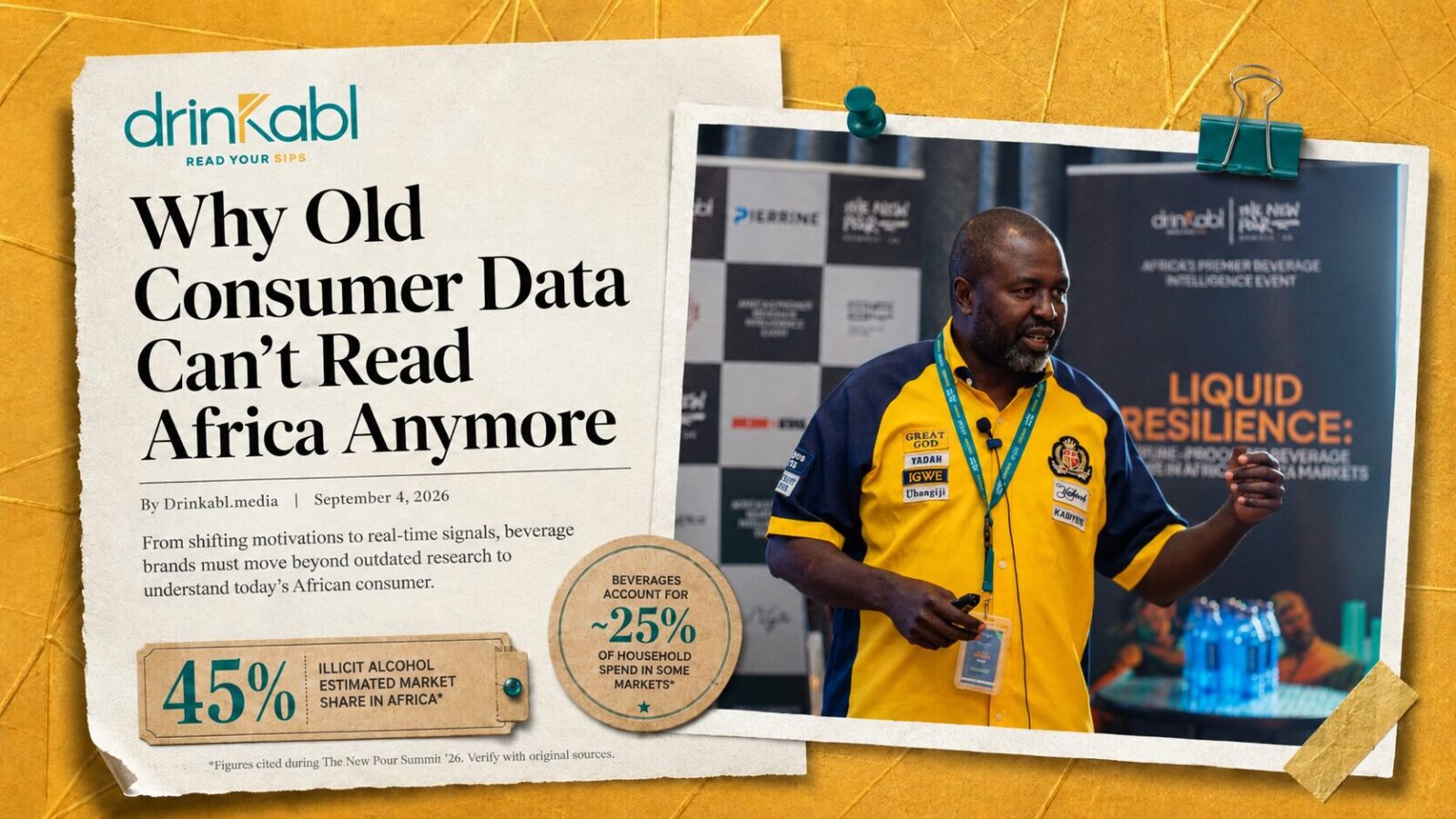
African beverage companies that plan around last year’s research may already be chasing a consumer who has moved on. That was the core argument at the Market Intelligence Masterclass during The New Pour Summit ’26 in Nairobi, where Josiah Kimanzi, Client Service Director at Actnable AI, made the case for real-time, AI-assisted market intelligence over the slower research cycles beverage brands have relied on for decades.
His starting point was blunt: relying on consumer data that is months old is a liability in markets moving as fast as Africa’s. Prices shift, taxes change, new products launch and social conversations turn over quickly. By the time a research report reaches a marketing team, the consumer it describes may no longer exist.
Scale is not the same as understanding
Kimanzi used Nigeria, cited during the session as home to roughly 244 million people, to make a wider point. A population figure tells a company how many potential consumers exist. It says nothing about what they can afford, which occasions they drink for, which pack sizes they prefer or what a brand signals about the person choosing it. Nigeria is not one consumer. Neither is Kenya, and neither is the continent as a whole. (That population figure, cited during the session, is worth checking against current census data before it’s treated as settled.)
The same caution applies to a claim that four companies control roughly 93% of African beer demand. The session did not detail the methodology or timeframe behind the number, so it should be treated as directional rather than exact. But the strategic point holds regardless of the precise figure: concentrated market share does not mean consumer behaviour is getting simpler. As categories mature, consumers fragment further by occasion, health priority and personal identity, meaning a brand’s market share today says little about why consumers are still choosing it, or whether they will keep doing so.
Beyond age: what a drink says about the drinker
Age remains a common way to group consumers, but Kimanzi argued it explains less than it used to. Two people born in the same year can have entirely different relationships with alcohol, wellness or spending. The session proposed grouping consumers instead by motivation, using four rough personas that included wellness-driven and comfort-and-loyalty segments, alongside an eco-conscious group.
That reframes the research question. Instead of asking what a generation drinks, the more useful question is what a person is trying to achieve by choosing a particular drink. It might be refreshment, status, moderation or simply a way of signalling something about themselves. Kimanzi described this as a shift from functional consumption, where a drink performs a job like hydration or energy, toward intentional consumption, where the choice itself carries meaning. A beverage brand now competes on what it represents as much as on what it does.
Wellness, priced for reality
Wellness claims travel easily across markets, but African consumers apply their own filter. Someone can want a lower-sugar drink without paying a premium for it, or care about functional ingredients while still choosing on taste first. The opportunity, Kimanzi suggested, is not printing a health claim on a label. It is knowing which health motivation matters to which consumer, at which price point, for which occasion.
What the illicit market reveals
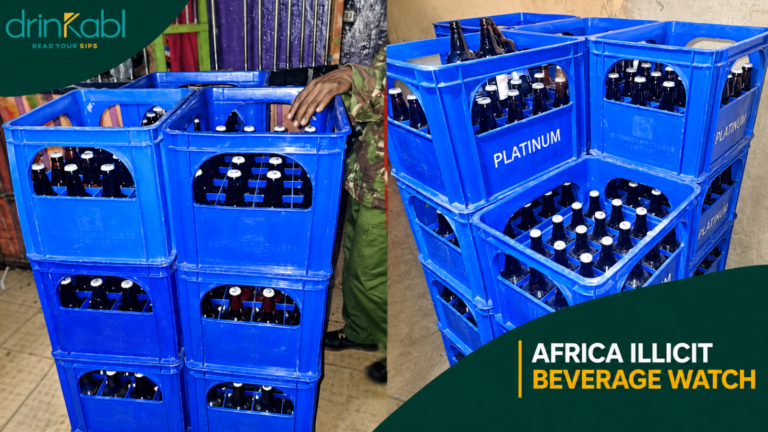
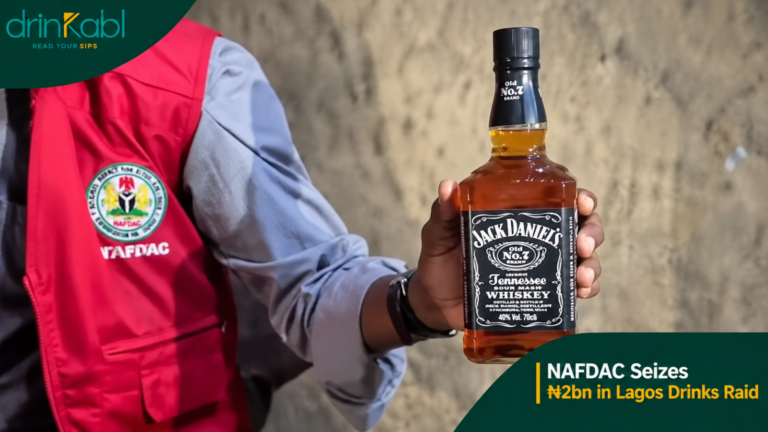
The session cited a claim that illicit alcohol accounts for 45% of the market, alongside associated economic losses in Kenya; both figures need checking against their original source before being treated as fixed statistics. Still, the underlying dynamic is real. Formal producers carry tax, licensing and compliance costs that informal operators often avoid, and consumers do not always choose the informal route out of preference. Price and availability frequently decide it for them.
That makes informal consumption a source of market information as much as a compliance problem. It can point to price thresholds, unmet demand and pack sizes the formal sector has missed. Enforcement alone will not shift consumers back if the legal alternative stays out of reach; a competitive, accessible legal product has to sit alongside it.
The household budget is part of the picture
Kimanzi also referenced a claim that beverages account for roughly a quarter of household spending in some markets; the transcript was not precise enough to publish that figure as confirmed, though the direction is clear. Every beverage purchase competes with other household needs, and when budgets tighten, consumers trade down, switch pack sizes, chase promotions or shift toward informal alternatives. Understanding what consumers want only matters if a brand also understands what they can afford.
Packaging, social listening and AI
Two practical recommendations followed from the persona work. First, sustainable packaging needs to connect to an actual recovery system, since a package is not sustainable simply because a brand calls it that; what happens after consumption, and who collects it, matters more. Second, a “smart pack” carrying authentication, traceability or loyalty features can add real value in markets where counterfeiting undermines consumer trust, provided the technology solves a genuine problem rather than decorating the bottle.
Social media featured as more than a distribution channel. Kimanzi framed it as a live source of consumer intelligence, where people reveal what they care about through complaints, celebrations and everyday conversation, often faster than any formal survey.
AI’s role, in his framing, is not to dictate what to launch. It is to process those signals fast enough that a company can act on them before a competitor does, following a chain from signal to interpretation to decision to action. He was careful to note that speed alone does not guarantee better decisions. Not every viral moment becomes a buying pattern, and human judgment still has to decide which signals matter.
Not Westernisation, just a more intentional consumer
Kimanzi pushed back on reading these shifts as African consumers simply adopting Western habits. Someone can embrace global digital culture while keeping local tastes, or care about wellness while remaining price-conscious. The stronger strategy, he argued, is not importing a successful Western product wholesale, but building for what African consumers are actually becoming, market by market.
What it means for brands
The session’s practical takeaways for beverage companies: supplement historical research with faster market signals; segment by motivation and occasion rather than age alone; treat affordability as core to consumer understanding, not separate from it; watch informal markets for what they reveal about unmet demand; back wellness claims with real value at an accessible price; tie packaging innovation to actual collection infrastructure; and use AI to shorten the gap between a market shift and a business response, rather than to generate more dashboards.
The broader argument from Nairobi is that African beverage markets are moving too quickly for volume metrics like population size, market share and growth rate to tell the whole story on their own. The harder, more useful questions are why a consumer is choosing a given drink today, what has changed since the last research cycle, and how fast a company can notice and respond. In markets as varied and fast-moving as Africa’s, that speed of response may end up mattering more than the size of a brand’s distribution network.