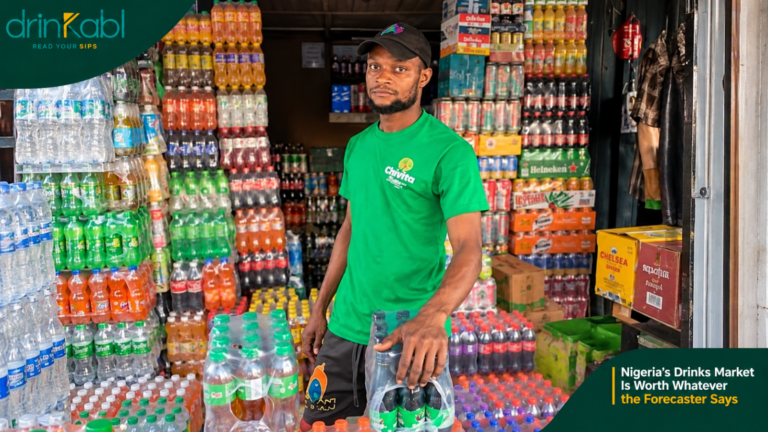
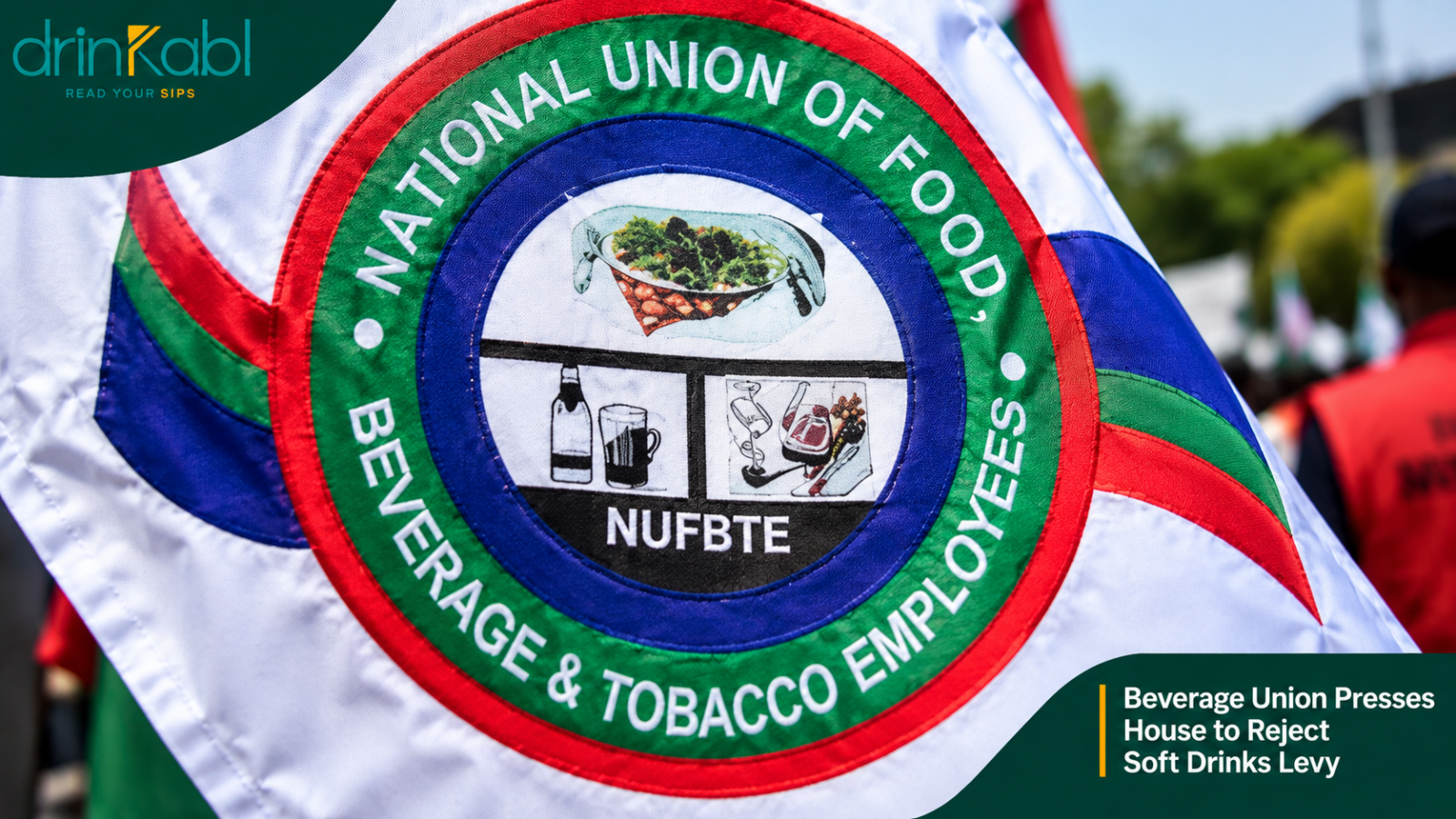

The National Union of Food, Beverage and Tobacco Employees has asked the House of Representatives to withhold concurrence on a bill that would replace the ₦10-per-litre excise on soft drinks with a levy based on retail price. Union president Garba Dankama wrote to Speaker Abbas Tajudeen in October 2026. The Senate passed the bill on 4 June 2026.
The current duty applies to non-alcoholic, carbonated and sweetened drinks and dates from the Finance Act 2021. The bill leaves the new percentage to the finance minister, so no rate has been published, and it earmarks part of the proceeds for primary healthcare and disease prevention. The House must still agree before the bill can go to the President.
Why the union objects
Dankama said capacity use across manufacturing has dropped as firms face high borrowing costs, rising energy and logistics bills, limited access to foreign exchange and weaker consumer spending. He said some production lines have been cut back or closed, and that a percentage tax would raise prices, cut demand and force more closures. The union has not published the data behind these claims, and they remain its own.
The union also argues that soft drinks supply only 5 per cent of national sugar intake, so taxing them would deliver little public health gain and push drinkers towards cheaper, unregulated products. It puts the livelihoods at stake at more than a million, across farming, haulage, distribution and retail. Neither figure has been independently confirmed.
The health argument
Corporate Accountability and Public Participation Africa, a campaign group, says the flat duty has failed because manufacturers absorb it without raising shelf prices, and inflation has eroded its value. It estimates a retail-price levy could reach about ₦130 per litre at current prices. An industry simulation the group cites projects a 39 per cent rise in retail prices and a 29 per cent fall in yearly per-capita consumption.
Senator Ipalibo Banigo, who chairs a Senate health committee, has said proceeds must be ring-fenced for health promotion, cancer screening and primary care. A coalition of more than 80 civil society and professional groups backs the bill and has urged House leaders to move before legislative business slows ahead of the election season.
What is still unsettled
A separate review by a consultancy advised against the percentage model and recommended a tax tied to sugar content, as South Africa and the United Kingdom apply. It also asked for figures showing how much the ₦10 duty has raised. For producers, the change would tie the tax bill to their own shelf prices, where today it follows volume alone.