
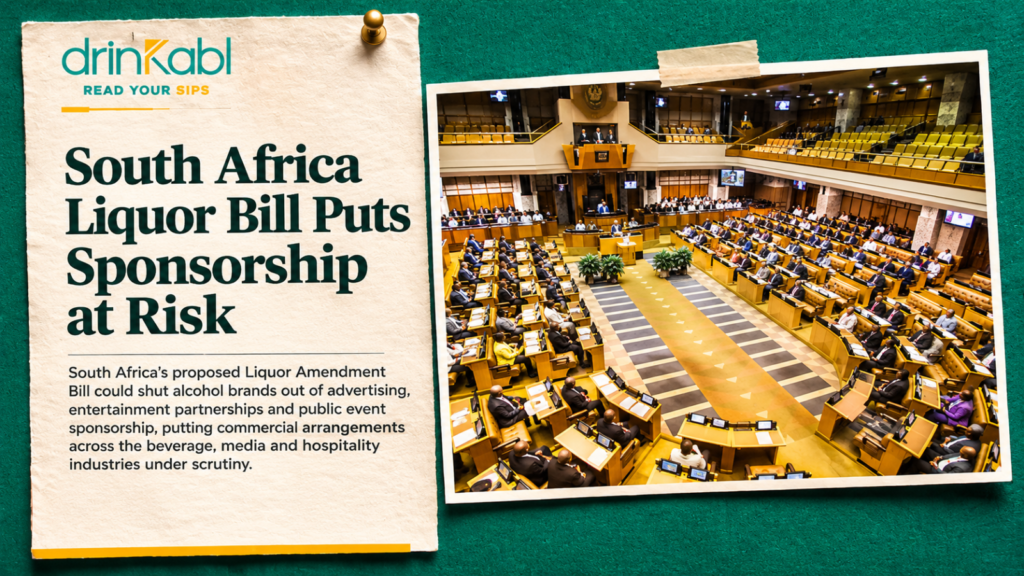
South Africa’s proposed Liquor Amendment Bill could shut alcohol brands out of advertising, entertainment partnerships and public event sponsorship, putting commercial arrangements across the beverage, media and hospitality industries under scrutiny.
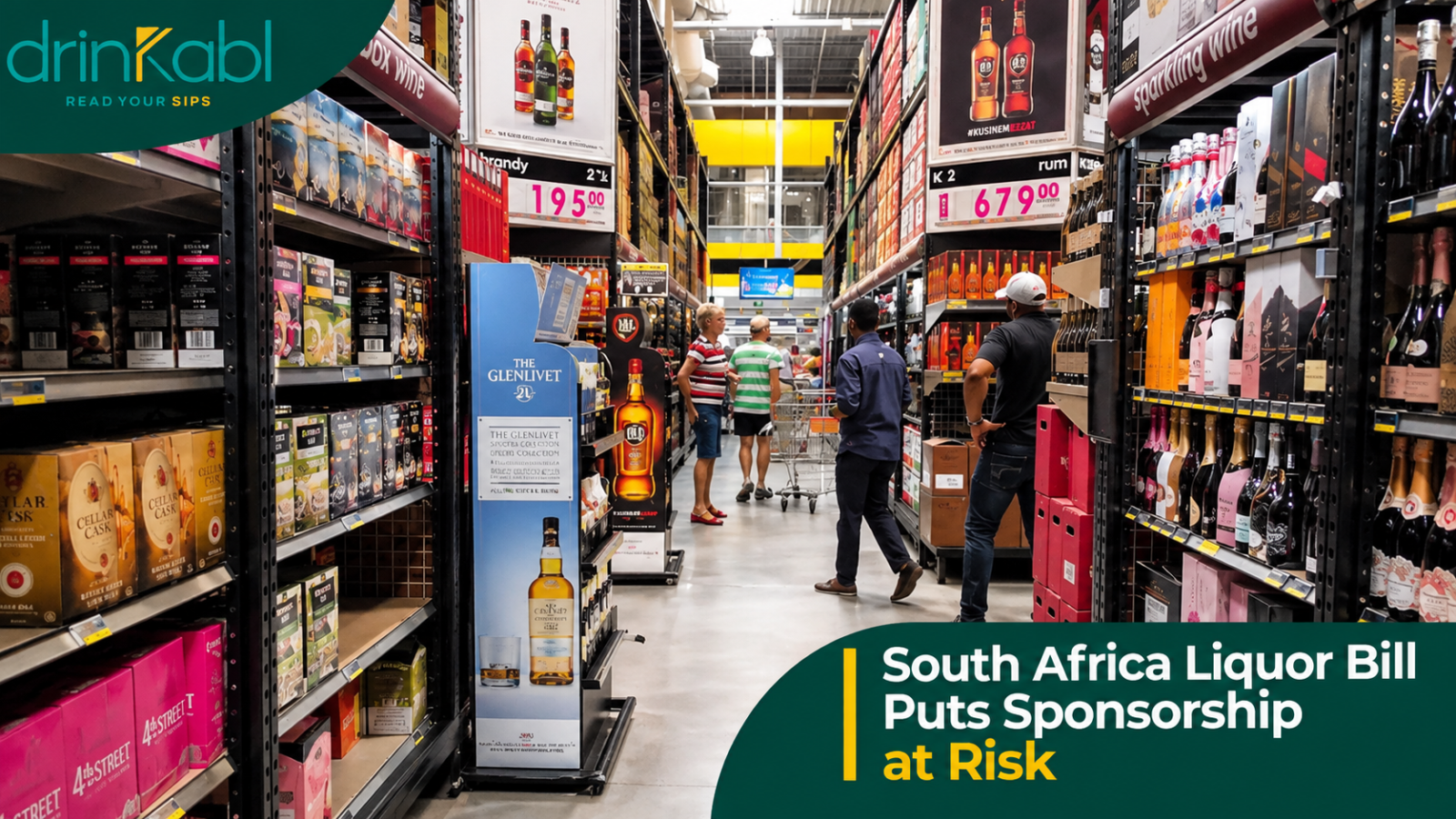
South Africa’s liquor industry faces a proposed advertising and sponsorship prohibition that could fundamentally change how beverage companies build brands, reach consumers and finance public events. The Liquor Amendment Bill (B21-2025), introduced in Parliament on 8 September 2025, remains at the introduction stage as of 18 November 2026, with its proposed restrictions extending across traditional media, digital platforms and organised events.
The private member’s Bill, introduced by Economic Freedom Fighters MP Ntombovuyol Veronica Mente-Nkuna, seeks to amend the Liquor Act 59 of 2003. Its provisions go beyond conventional advertising restrictions, targeting promotional activities, paid product placement, indirect brand exposure and financial contributions to qualifying public events. For companies operating in South Africa, the implications reach beyond marketing departments into sponsorship agreements, media revenues and commercial partnerships.
Beyond Traditional Advertising
The proposed amendment would prohibit anyone from advertising liquor to promote consumption, arranging promotional or product-placement activities, or using a manufacturer’s name or brand element through direct or indirect means to encourage liquor consumption.
Its definition of a brand element is particularly extensive. It includes brand names, trademarks, logos, graphics, slogans, designs, recognisable colours, typefaces and other identifiable brand features. Product placement would also cover paid or otherwise compensated appearances of liquor or its branding in films, television, broadcasts, videos and social media.
This creates potential exposure for advertising agencies, broadcasters, entertainment producers, digital publishers and influencers. A commercial arrangement involving a branded appearance could fall within the proposed restrictions even where the activity does not resemble a conventional television or print advertisement. The Bill’s actual provisions will therefore matter more than how companies classify their marketing activities.
Sponsorship Faces Exposure
The event provisions present a particularly significant challenge. The Bill proposes preventing registered liquor businesses from organising or promoting qualifying organised activities, or making financial contributions to them. Its definition covers publicly accessible entertainment, sporting, recreational, educational and cultural events where liquor, a brand element or an associated company name is used to promote consumption.
The implications extend to sports competitions, music festivals, cultural celebrations and other events that depend on beverage-company funding. A brewer or spirits producer could face restrictions on financing an event carrying its brand identity, while organisers could lose an established source of commercial support. The Bill excludes certain private corporate gatherings involving employees, shareholders, suppliers and specifically invited business clients, but that exception does not provide a general exemption for public-facing sponsorship.
Government Questions the Design
The Department of Trade, Industry and Competition identified several concerns in its 26 November 2025 presentation on the Bill. It warned that an outright advertising prohibition could disadvantage emerging liquor businesses that depend on marketing to establish brand recognition, while established brands could retain advantages accumulated through years of consumer exposure.
The department also questioned the Bill’s supporting evidence, enforcement arrangements and drafting. Its assessment noted the absence of a Socio-Economic Impact Assessment and specific penalty provisions, alongside possible technical problems in the proposed amendment to section 9. It further raised concerns about the implications for sporting events and the relationship between advertising restrictions and the growth of illicit liquor. These are departmental concerns, not findings that Parliament has adopted.
Industry Opposition and Next Steps
The National Liquor Traders Council has rejected the proposed ban, arguing that policymakers should establish stronger scientific evidence linking alcohol advertising to the social harms cited in support of the legislation. COSATU, meanwhile, has welcomed its introduction, illustrating the competing employment, public-health and commercial interests surrounding the proposal.
Parliament’s official bill tracker still lists B21-2025 at Introduction, despite the department’s subsequent presentation on the proposal. It has not become law, and existing advertising and sponsorship arrangements are not automatically prohibited. The Bill also contains transitional provisions protecting qualifying agreements entered into before commencement, if it eventually becomes law. For companies discussing sponsorships and partnerships in South Africa, the legislative uncertainty is already a commercial consideration, even though no new advertising ban is currently in force.