

Curious Tales from the World of Drinks
This week’s edition goes looking beyond the labels, recipes and familiar stories to uncover some of the curious moments that have shaped the beverage business. From the West African connection hidden in Coca-Cola’s name to a South African wine project built around surplus wine, and a beer campaign that turned a supply shortage into a public spectacle, these are stories of the unexpected decisions, characters and ideas behind the drinks industry.
The beverage business is usually discussed in terms of production, sales, competition and market share. But its history has another side, filled with unusual experiments, unexpected setbacks and marketing ideas that sometimes seem too strange to have come from a boardroom. Here are seven stories worth bringing back into the conversation.
1. Coca-Cola’s name carries a West African connection
The name Coca-Cola contains two botanical references. “Coca” points to the coca plant of South America, while “cola” refers to the kola nut, a seed with deep roots in West African trade and social life. For centuries, kola nuts were chewed for their stimulating effect and exchanged across communities, featuring in hospitality, ceremonies and commercial networks. The original Coca-Cola formula included extracts of both coca leaf and kola nut when pharmacist John Pemberton introduced the drink in Atlanta in 1886.
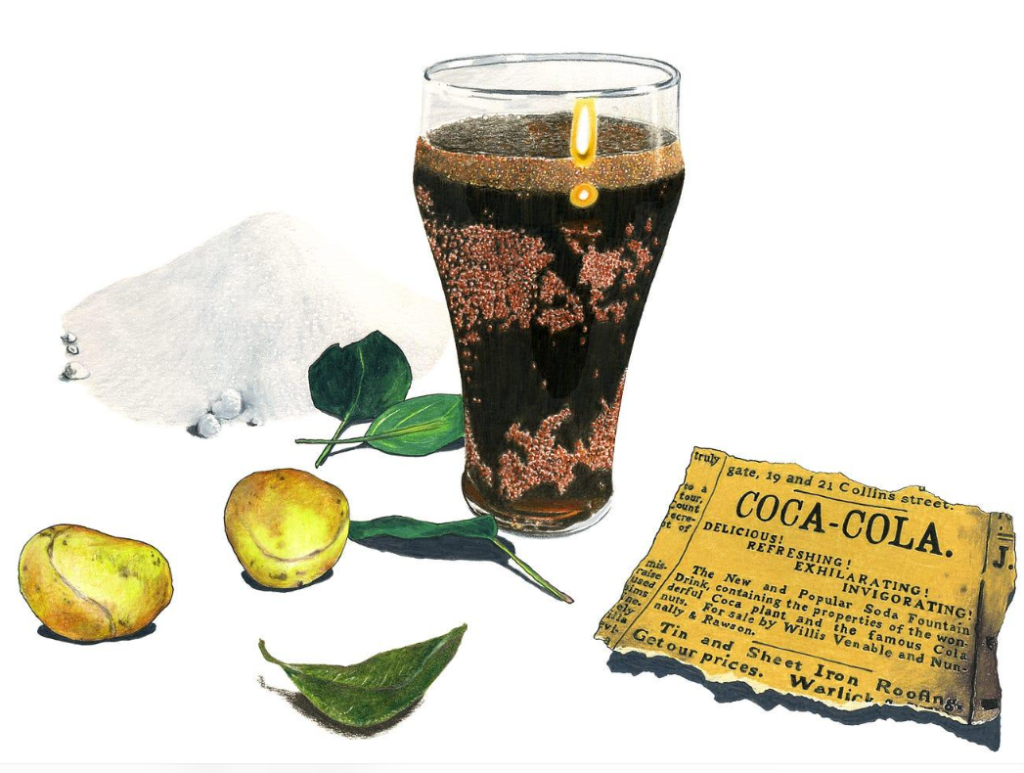
There is an interesting distance between those origins and the drink sold today. A West African seed that travelled through regional trade networks became part of the name of a product that would eventually reach almost every corner of the world. The modern formula is different, and the name should not be mistaken for proof that today’s Coca-Cola contains kola nut. Still, it is a reminder that a familiar global brand carries traces of a much older African commodity. The history of kola and Coca-Cola’s original ingredients tell that story from two sides.
2. Nigerian Breweries once paid people to return empty Star bottles
A newspaper advertisement published in Lagos on 10 June 1954 made an offer that would be familiar to anyone who has returned bottles to a neighbourhood drinks seller. Nigerian Brewery Limited offered one shilling per dozen empty Star Beer bottles delivered to its Iganmu brewery or collected by its agents. Other bottles of the same size and shape attracted seven pence per dozen. The advertisement even included a cartoon character holding out money beside a crate of empties.
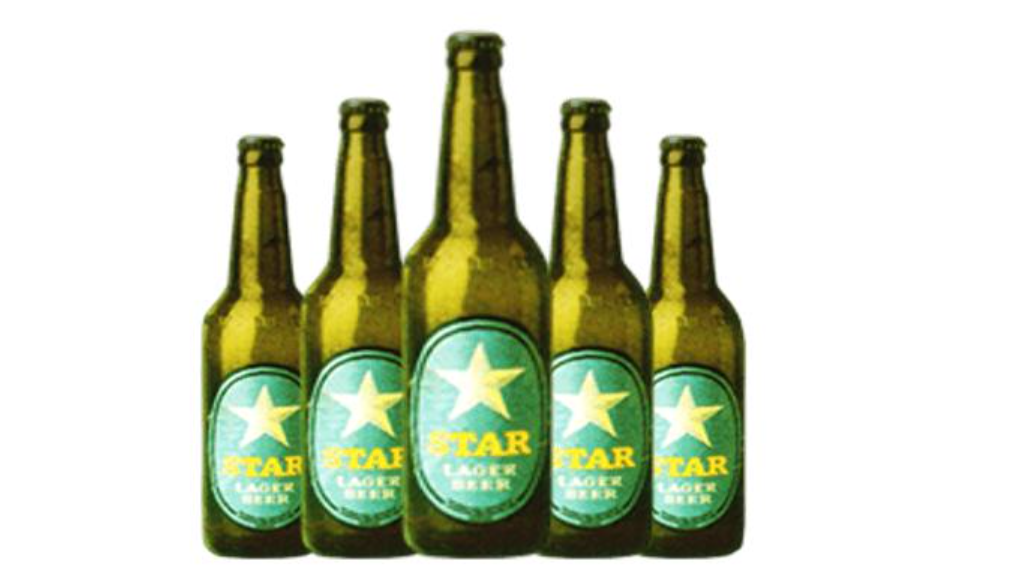
The arrangement was more than a promotional gimmick. At a time when glass packaging was an important production cost, recovering bottles helped the brewery return containers to circulation. The advert also shows how directly the company communicated the value of reusable packaging to retailers and consumers. Today’s discussions about bottle recovery and circular packaging may sound like new industry priorities, but Nigerian breweries were already putting a price on returned glass more than seven decades ago. The original 1954 advertisement is a small piece of Nigerian beverage history with a very practical message: empty bottles were not rubbish.
3. Nigeria’s first lager brewery reportedly employed bottle sniffers
When Star Lager began production in Lagos in 1949, the new brewery encountered some early quality-control problems. Some bottles reportedly contained beer that looked like specimens in hospital jars, while others smelled strongly of kerosene. The first problem was addressed by adjusting production processes. The second produced one of the strangest job descriptions in Nigerian brewing history: the brewery reportedly employed more empty-bottle sniffers.
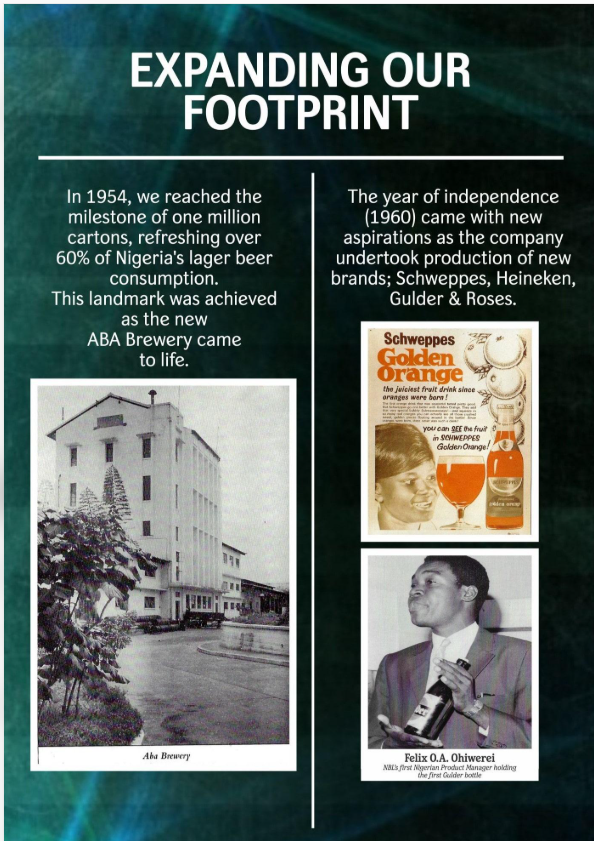
The detail comes from an account of Star Beer’s early marketing and production history, which cites the complaints recorded at the time. It is a funny image, but the underlying problem was serious. Reusable bottles had to be properly inspected and cleaned before filling, because a container carrying an unwanted smell could ruin the customer’s experience before the beer was even tasted. Quality control sometimes begins in places consumers never see. In this case, apparently, it began with somebody putting their nose to an empty bottle. The historical account of Star Beer records the episode.
4. A South African wine project turned surplus into a collection
In 2009, South African winemaker Eben Sadie had agreed to sell 200 cases of surplus wine to a retailer. When the paperwork became too cumbersome, the deal fell through. British Master of Wine Richard Kelley stepped in and bought the wine through a handshake. That transaction became the beginning of The Liberator, a series built around wines that might otherwise have been blended away or sold on the bulk market.
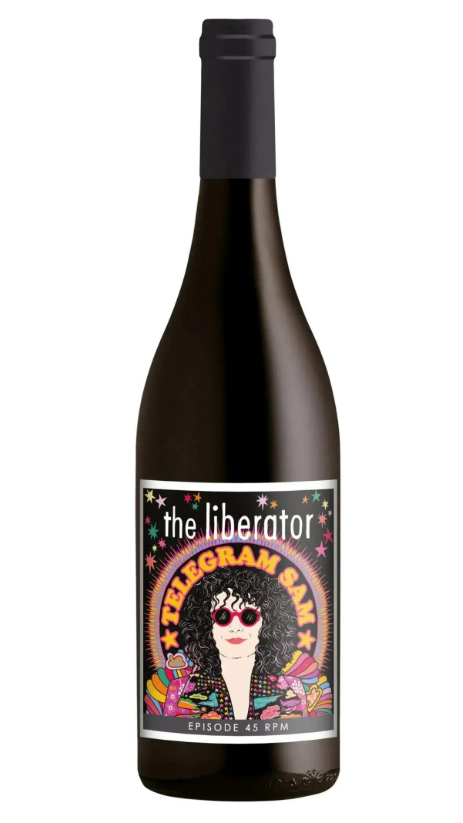
The project gave each release its own name and illustrated label, often with a mischievous sense of humour. Its first wine was called The Bureaucrat, a reference to the paperwork that nearly stopped the original deal. Another release, An Arrogance of Sommeliers, took a playful swipe at wine professionals who can make the business sound intimidating. By 2026, the series had reached its 49th release, Pomelo, a Colombard from Robertson. It is a neat example of how a commercial problem can become a distinctive brand identity, provided someone can find a story worth telling. The Liberator’s first release and its 49th episode show how the idea developed.
5. Desperados had to rethink its slogan for Nigeria
Desperados entered the Nigerian market with a global tagline, “Pour Some Unusual On Your Usual”. The line, however, was not connecting with the audience as intended. The brand and its agency, Insight Publicis, went back to the drawing board and developed a simpler local message: “Go For The Unusual”.
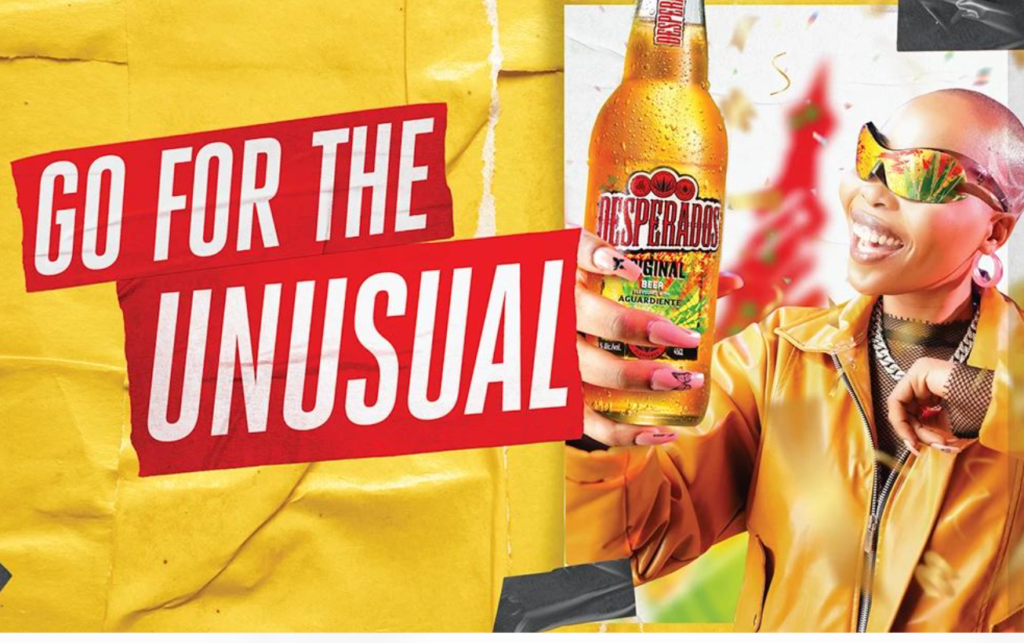
The campaign focused on individuality, creativity and experimentation, using experiences and collaborations to build a connection with younger Nigerian consumers. Its success was significant enough for other African markets, including Tanzania and Côte d’Ivoire, to adopt the campaign. There is a useful lesson in the change: a slogan that sounds clever in one market can lose its meaning in another. Sometimes the unusual thing a global brand needs to do is listen to the people it is trying to reach. The campaign’s creative case study documents the change in approach.
6. Savanna cider took a glass shortage to court
When Savanna cider became difficult to find in South Africa during the global glass shortage of 2021 and 2022, consumers made their frustration clear. The brand responded with a campaign built around a mock legal case, The People vs Savanna. Instead of issuing a conventional apology, it turned the complaints into a courtroom-style advertising story, with disappointed drinkers effectively putting their favourite cider on trial.
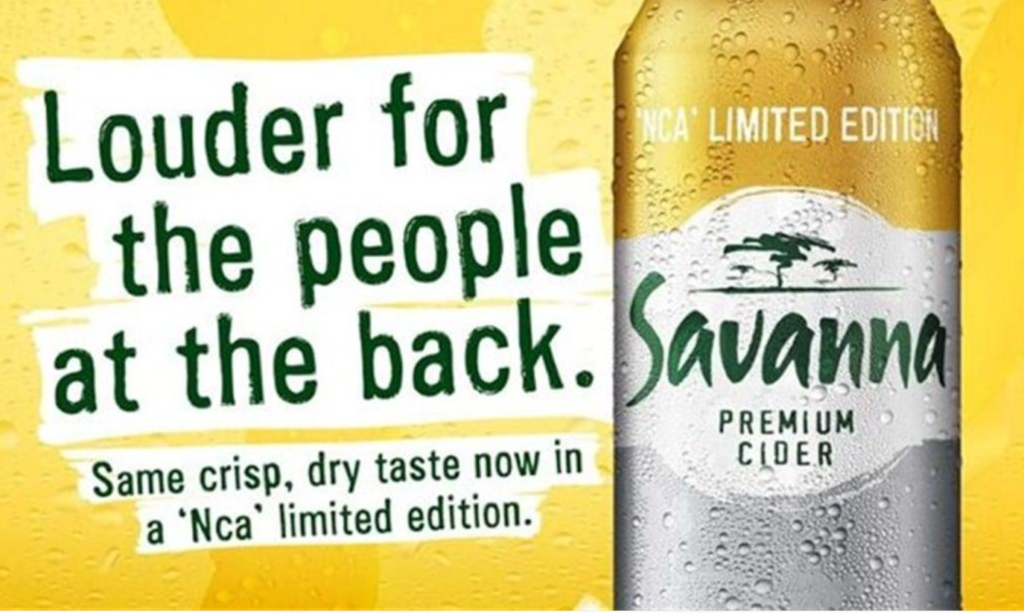
The practical response was a limited-edition 300ml can, which helped the brand keep product available while glass supplies remained under pressure. But even that solution attracted complaints from customers who thought the can was too small. The brand had found a way around a packaging problem, only to face a new argument about the size of the alternative. Behind the comedy was a real supply-chain issue: shortages of glass and shipping delays had made it difficult for a popular product to reach consumers. The campaign’s follow-up shows how Savanna turned the shortage into a conversation with its customers.
7. Guinness once sent 200,000 bottles into the ocean
In the 1950s, Guinness came up with a promotional idea that would make modern sustainability teams reach for their calculators. In 1954, the brewer released 50,000 souvenir bottles into the Atlantic, Pacific and Indian oceans. Each carried information about Guinness and a message asking whoever found it to record the date and location before returning a detachable slip.
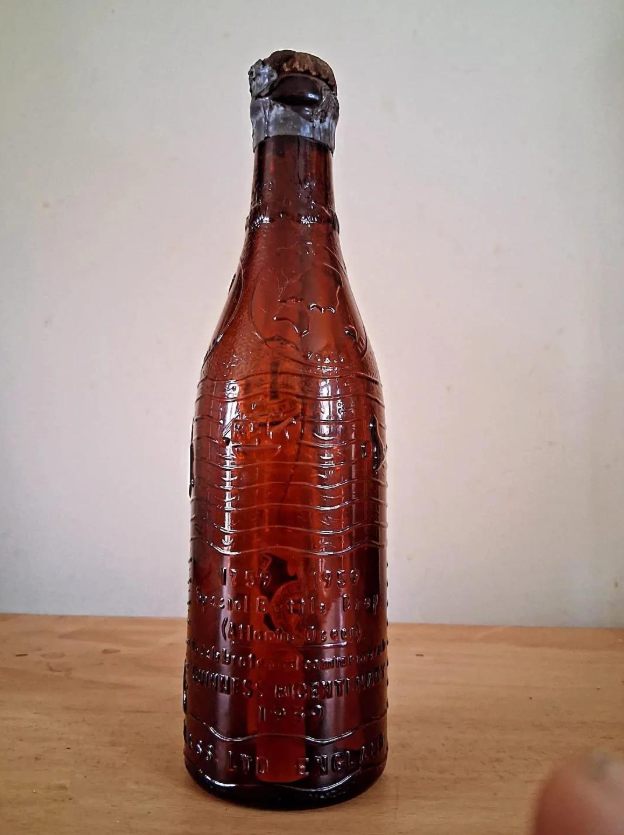
The campaign was repeated in 1959 to mark the brewery’s bicentenary, when another 150,000 specially made bottles were released into the North Atlantic. Some travelled extraordinary distances before washing ashore, generating newspaper coverage and turning the exercise into an international talking point. It was a publicity campaign that relied on ocean currents, patient strangers and the possibility that a beachcomber might stumble upon a Guinness advertisement. The idea would be difficult to defend as a modern packaging strategy, but as a piece of mid-century marketing history, it was certainly memorable. The history of Guinness’s bottle drops records the scale of the campaign.
The last pour
The stories in this edition reveal a side of the beverage industry that rarely appears in quarterly results. A West African agricultural product found its way into the name of a global soft drink. Nigerian breweries once put cash behind empty bottles and reportedly employed people to smell them. A surplus wine transaction became a creative brand, while two international beverage campaigns found humour in the frustrations of local consumers.
The business lessons are not always complicated. Packaging has value beyond the product it carries. Local language and consumer insight matter. Supply-chain problems can become brand problems, and sometimes a good story can give an overlooked product a second life.
And if anyone still thinks beverage history is all about recipes and fermentation, there are 200,000 Guinness bottles somewhere in the story that might suggest otherwise.