
Curious Tales from the World of Drinks
This week, we bring you seven fascinating, hilarious and surprisingly insightful stories from across the beverage industry. From a plantain drink that can pass for palm wine to a beer carton that comes with its own shaking instructions, these stories reveal the amusing side of how drinks are made, marketed and enjoyed across Africa.
Africa’s beverage culture has never been short of character. Some drinks carry centuries of tradition, others have unusual production methods, and a few have advertising campaigns that seem to have been conceived after a particularly entertaining afternoon. Behind the laughter, however, are stories about consumer habits, local innovation and the business of getting people to take another sip.
Palm Wine Mix-Ups, Banana Beer and Other somewhat Unusual drinks
1. Nigeria’s Agadagidi turns overripe plantain into wine
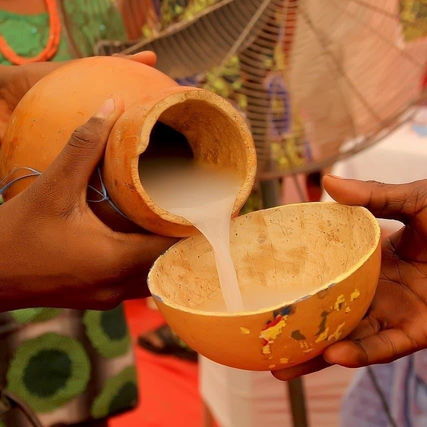
Agadagidi is a fermented plantain drink found in parts of Lagos and the South-West. Made by soaking overripe plantains in water and allowing the mixture to ferment for several days, it develops a cloudy appearance and a sweet-sour taste. Its appeal is partly linked to the rising cost and availability of palm wine, while its production also offers a way to use plantains that might otherwise go to waste.
There is one amusing complication. Because agadagidi can resemble palm wine, some customers have reportedly bought it believing they were getting the traditional palm-derived drink. The difference matters if you have spent the afternoon telling your friends you found exceptionally good palm wine. Beneath the mistaken identity is a useful business story: local producers can turn perishable agricultural produce into a beverage with cultural value and commercial potential.
2. Some Nigerians have their own palm wine tappers
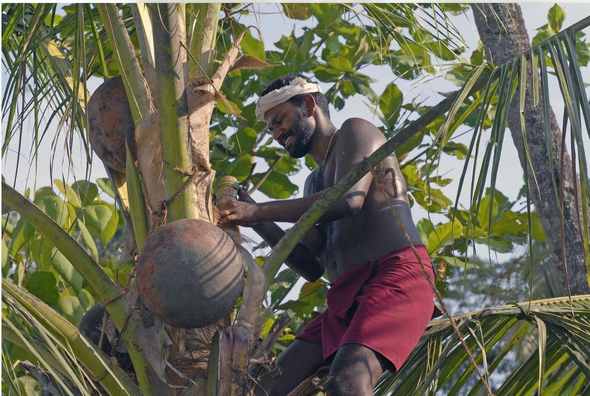
For most consumers, buying palm wine means visiting a seller and asking whether the drink is fresh. Some wealthy Nigerians take a different approach: they employ a dedicated palm wine tapper whose daily harvest is reserved for them. It is a remarkable level of commitment to a beverage. Most people arrange regular grocery deliveries; these customers have secured someone whose job is to climb a tree and collect their drink.
There is a practical reason for the arrangement. Palm wine begins fermenting soon after it is tapped, changing in taste and alcoholic strength as time passes. A palm tree produces a limited amount of sap each day, making a reliable supply difficult to guarantee. The arrangement may sound extravagant, but for a consumer who values freshness, it is a form of supply-chain control. In the palm wine business, apparently, customer loyalty can extend all the way up the tree.
3. Uganda’s Tonto has a name that warns you about your coordination
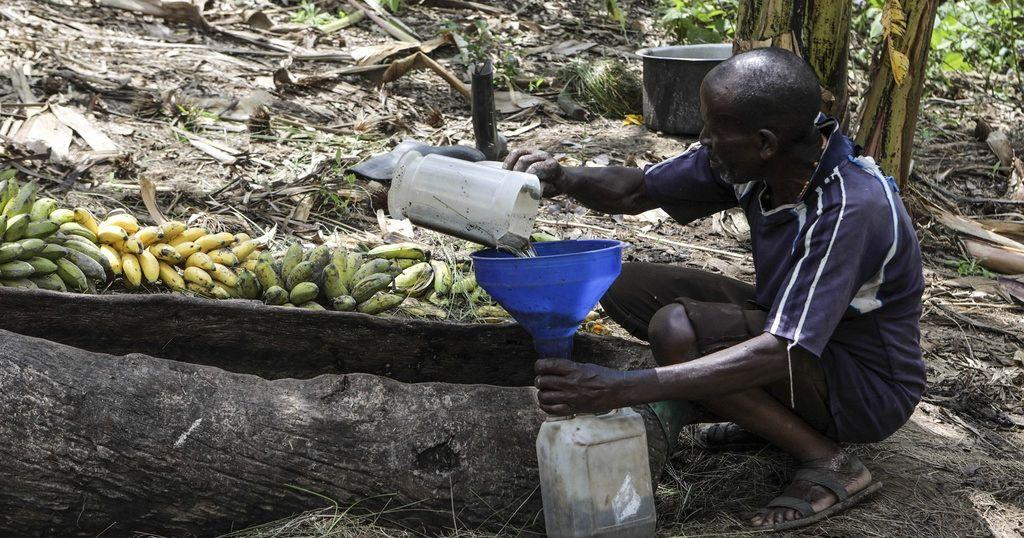
Uganda’s tonto, also known as tontomera, is a traditional banana-based alcoholic drink whose name is said to refer to the poor coordination of those who drink it. That is unusually direct branding. Many beverages promise to help consumers find their balance; this one carries a name that suggests the opposite.
Its production involves ripening special bananas, pressing their juice in a wooden vat and adding sorghum before fermentation. In one documented family operation, the family’s patriarch steps into the vat to press the fruit with his feet. Tonto is served at ceremonies and family gatherings, and even politicians have been known to take a sip while seeking support. Its producers face a challenge as the banana varieties used in production become harder to find, partly because farmers increasingly grow varieties preferred for food.
The drinks that come with instructions
4. Chibuku expects you to shake before drinking
In parts of Southern Africa, Chibuku Shake-Shake comes with a consumer instruction that is also its identity. Shake the carton before opening. The opaque beer is brewed using sorghum and maize, and its ingredients settle during storage. Without shaking, the drink can separate into layers, leaving the customer with an inconsistent pour.
The name has therefore become a practical reminder of how the product should be enjoyed. It is a little like buying a bottle of juice that expects you to do some mixing before breakfast, except this one has a long-standing place in the region’s traditional beer market. The instruction is not simply an advertising gimmick. It reflects the character of the drink itself and has become part of the consumer experience.
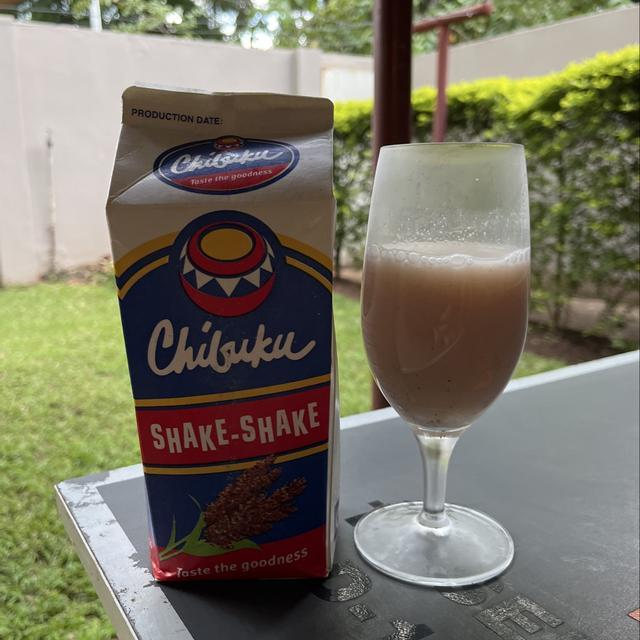
This is one beer that gives you homework before the first sip. Shake well!!
When advertising gets carried away
5. Ghana’s Taste Guru counted 222 fufu pounds
In a Ghanaian Star Beer campaign, a character called the Taste Guru was presented as a man with an extraordinary ability to identify the smallest details in food. After tasting a piece of fufu, he declared that the cassava had been pounded exactly 222 times. Not 220. Not approximately 222. Exactly 222.
The joke worked because fufu is familiar territory in Ghana, where the pounding process is part of the food’s identity and preparation. The campaign used the character’s exaggerated expertise to reinforce Star Beer’s quality credentials after the brand won a Gold Quality Monde Award in 2016. It is the sort of confidence that might make a restaurant owner nervous about serving him yesterday’s soup.

6. South Africa gave cider its own Chakalaka Norris
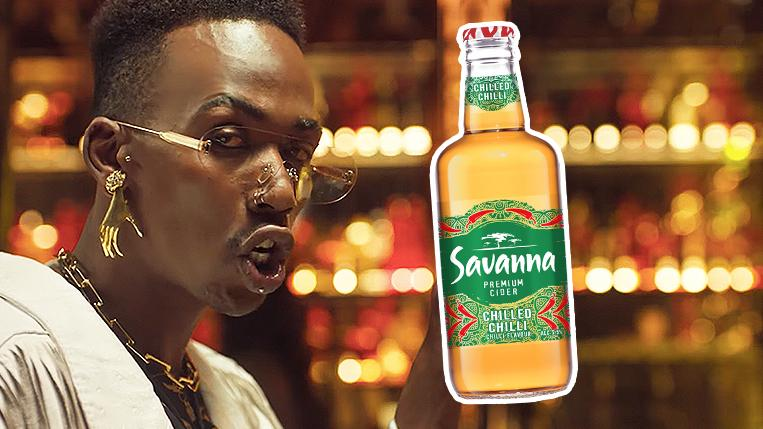
When Savanna launched its Chilled Chilli cider in partnership with Nando’s, the campaign introduced Chakalaka Norris, a fictional character whose name played on action-film star Chuck Norris. He was presented as South Africa’s spiciest man, with a tolerance for heat that made ordinary chilli lovers look unprepared.
The campaign leaned into the country’s affection for spicy food, cheeky humour and bold advertising. It also gave the new cider a personality beyond its flavour description. The campaign reportedly generated 2.9 million video views and an 8.7 per cent engagement rate, while 1.7 million litres of the product were sold following the campaign. That is a considerable amount of cider for a man whose main qualification appears to be surviving spicy chicken.
A brewery with a domestic dispute in its history
7. Castle Lager’s origins include a brewing couple’s arguments
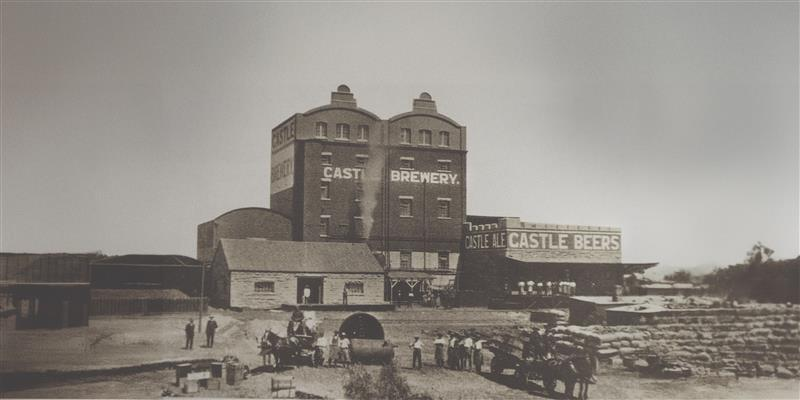
Castle Lager’s history has an unusual domestic twist. Its name is linked to Charles Glass, the founding brewer, and his wife, who also worked at the brewery. Both were reportedly known for their tempers, and investors became concerned that their arguments could eventually affect the business.
In 1890, the investors bought the couple out but retained the Glass name. By 1892, the company was operating as Glass & Co. Ltd, Castle Brewery, Johannesburg, producing ale and stout. The story gives one of South Africa’s best-known beer brands an origin involving more than brewing skill and business ambition. Apparently, even a brewery sometimes needs a management change because the people running it cannot stop arguing.