

Curious Tales from the World of Drinks
Seven Drinks That Took a Rather Unusual Route to the Shelf
The beverage industry has a talent for turning unlikely ideas into products people are willing to buy. Sometimes the inspiration comes from a production problem, sometimes from an ambitious marketing team, and occasionally from someone who appears to have looked at an ordinary drink and decided it needed a little more drama. This week, we revisit seven unusual ideas from the world of drinks, where innovation, experimentation and commercial curiosity have taken some unexpected turns.
There is a serious business story beneath the amusement. A strange product can attract attention, test consumer appetite or reveal how brands respond when conventional approaches stop working. Not every experiment becomes a lasting success, but the ones that do can leave a memorable mark on the industry.
1. The Soda That Came With Floating Balls
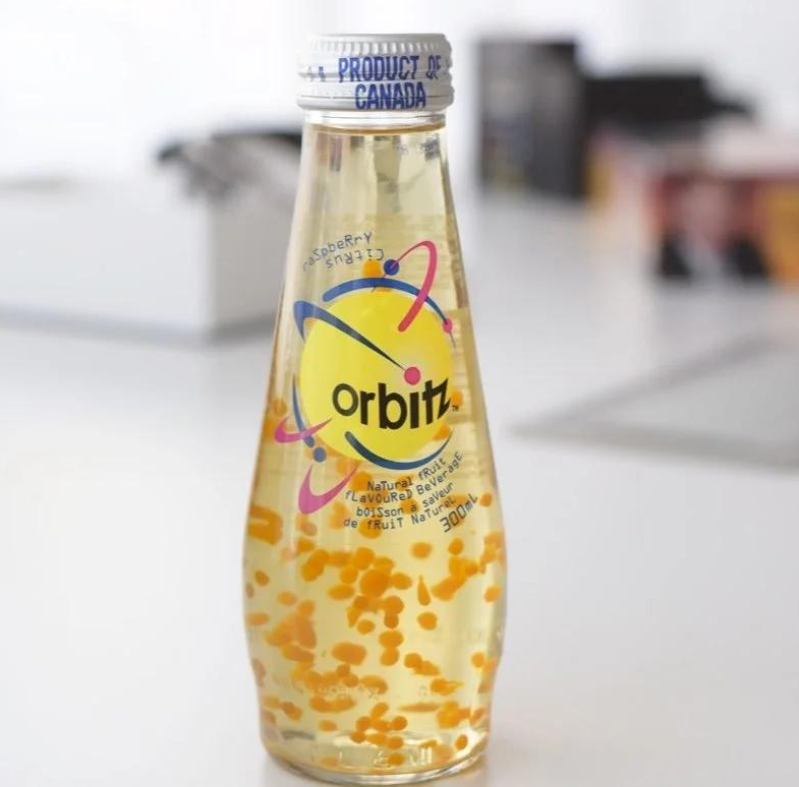
In the mid-1990s, a drink called Orbitz arrived with an appearance that made it difficult to mistake for ordinary soft drink. Its transparent liquid contained small, coloured gelatin balls suspended inside the bottle. They floated at different levels, giving the drink the appearance of a miniature science experiment.
Orbitz was produced by Clearly Canadian Beverage Corporation and marketed as a non-carbonated fruit-flavoured drink. Its unusual appearance was the main attraction, but it also presented a practical challenge: consumers had to decide whether they were buying a refreshing beverage or something that belonged in a laboratory display. The product did not become a permanent fixture, but its distinctive packaging and appearance have helped it retain a nostalgic following among people who remember the era.
The lesson is that visual differentiation can earn a product attention, but curiosity alone does not guarantee repeat purchases. A drink may get noticed because it looks different. It still has to taste good enough to be bought again.
2. Pepsi Once Tried to Join the Breakfast Table
Soft drinks are usually associated with lunch, snacks, parties and moments when people want something cold and sweet. In 1990, Pepsi decided there might be room for cola at breakfast.
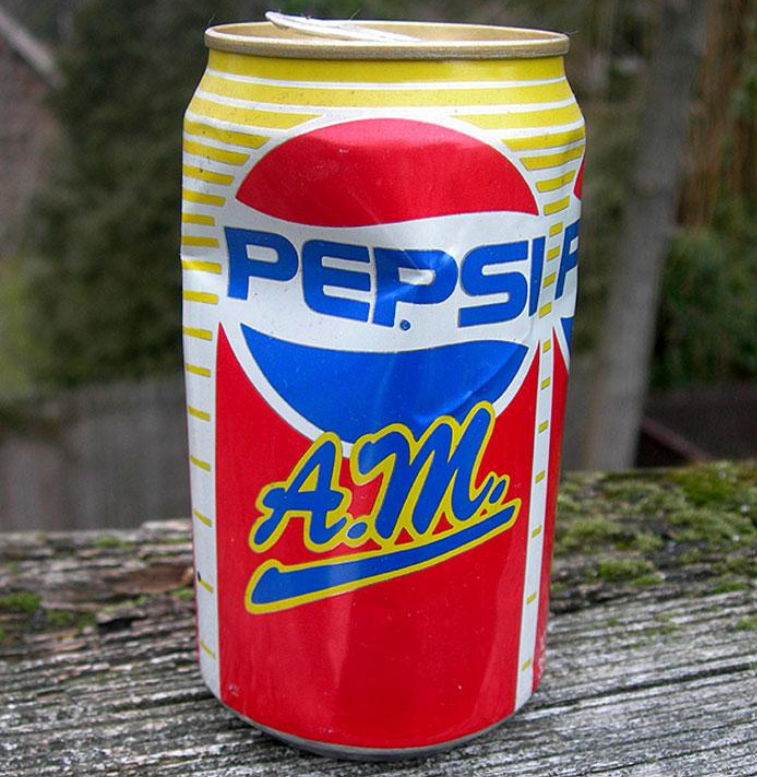
The company introduced Pepsi A.M., a cola positioned as a morning drink. The proposition was unusual because it attempted to move a familiar product into a consumption occasion traditionally dominated by coffee, tea and juice. Rather than inventing an entirely new beverage category, Pepsi was trying to persuade consumers to reconsider when they drank cola.
The experiment did not establish a lasting breakfast-cola habit. But it illustrates a recurring strategy in the beverage business: expanding consumption occasions can be as important as launching new flavours. The difficult part is persuading people that a product belongs in a moment where they have never really expected to find it.
3. A Beer Company Found Another Use for Leftover Bread
Bread and beer have a much older relationship than most supermarket shoppers might imagine. Both depend on grains, and both have histories connected to fermentation. In recent years, that relationship has been revisited by breweries looking for ways to use surplus bread.
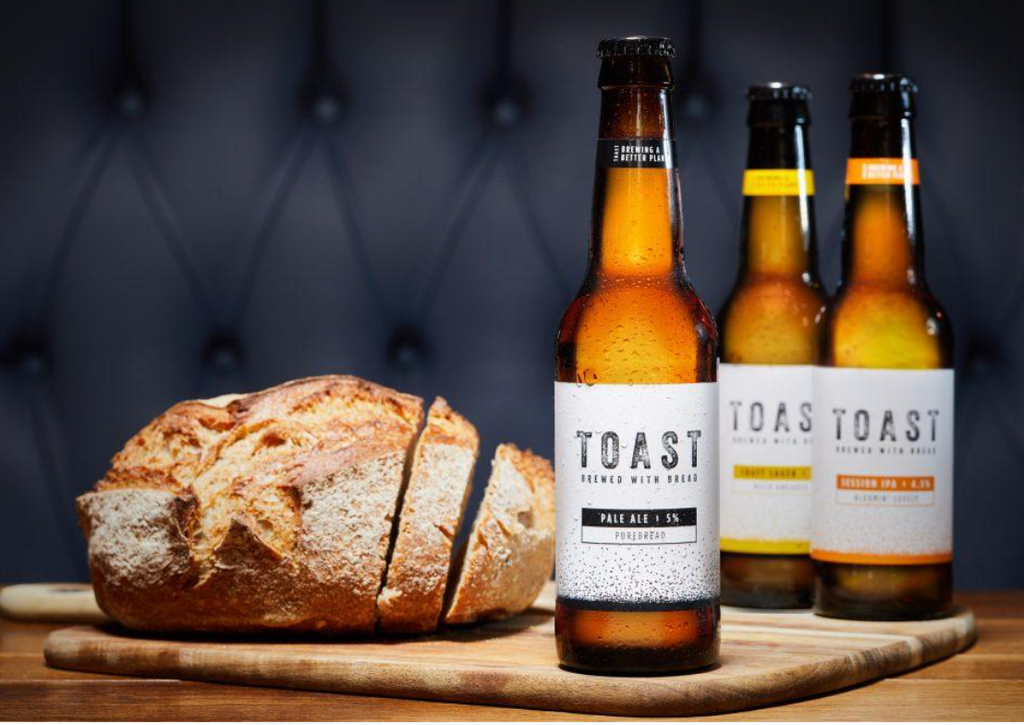
One of the best-known examples is Toast Ale, a British brewery that uses surplus bread in place of some of the malted barley in its beer. The idea is straightforward: bread that might otherwise be discarded becomes an ingredient in a new product. The company has presented the approach as a way to reduce food waste while producing beer.
There is a practical business question behind the appealing story. Food waste is not simply an environmental concern; it also represents lost value across production and distribution. Turning surplus bread into beer gives the material another commercial purpose, although the approach still has to meet the demands of brewing quality, supply consistency and consumer acceptance. It is an unusual route from bakery shelf to beer glass, but one with a recognisable circular-economy argument.
4. Jones Soda Once Put Thanksgiving Dinner in a Bottle
Flavoured soft drinks have experimented with almost every fruit, spice and confectionery reference imaginable. Jones Soda took the idea considerably further with its Thanksgiving-themed flavours, including turkey and gravy.
The limited-edition range became famous for treating a traditional holiday meal as a soft-drink flavour challenge. Other unusual flavours associated with the company’s novelty releases included Brussels sprout and cranberry combinations. The idea was not necessarily to replace dinner with soda. It was to create a product that people would talk about, photograph and remember.
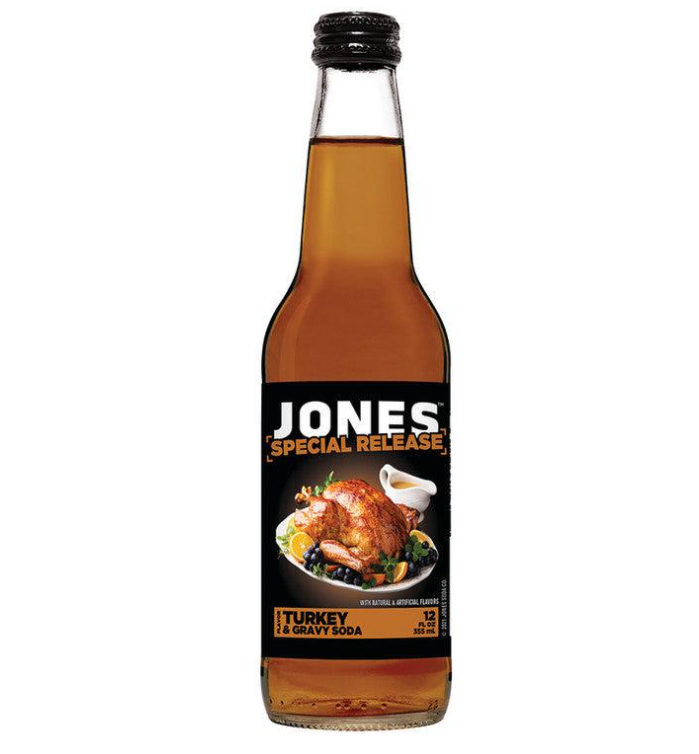
This is where novelty becomes a marketing tool. A conventional flavour competes on taste, price and availability. A turkey-and-gravy soda competes for attention before anyone has even opened the bottle. The risk, of course, is that the joke can become more memorable than the drink itself. For a limited-edition product, however, getting people talking may be part of the commercial calculation.
5. The World’s Most Famous Stout Has a Record-Breaking Advertising Past
Guinness has built a reputation for advertising that is often as memorable as the stout itself. Its campaigns have included elaborate visual ideas, distinctive characters and the celebrated ‘Surfer’ advertisement, which helped establish the brand’s creative credentials.
One particularly unusual promotional exercise involved releasing bottles into the ocean. Guinness marked its bicentenary in 1959 by placing bottles containing messages into the North Atlantic, following an earlier bottle-drop campaign in 1954. The idea was to turn the sea into an enormous distribution channel for a brand message, with the hope that bottles would be found and responses would make their way back.
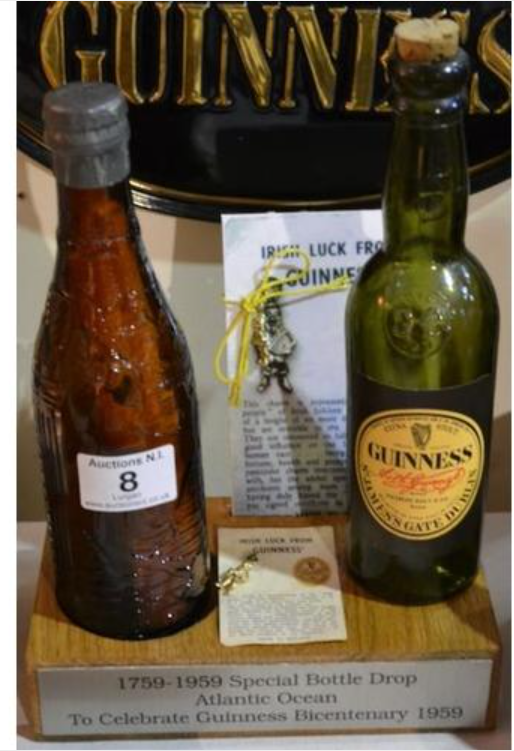
It was a very different approach to modern digital campaigns, where a brand can measure impressions and engagement almost immediately. Guinness was relying on currents, chance discoveries and the curiosity of whoever found a bottle. The ocean was effectively being asked to handle the media placement.
6. A Soft Drink Company Once Tried to Make Cola a Clear Proposition
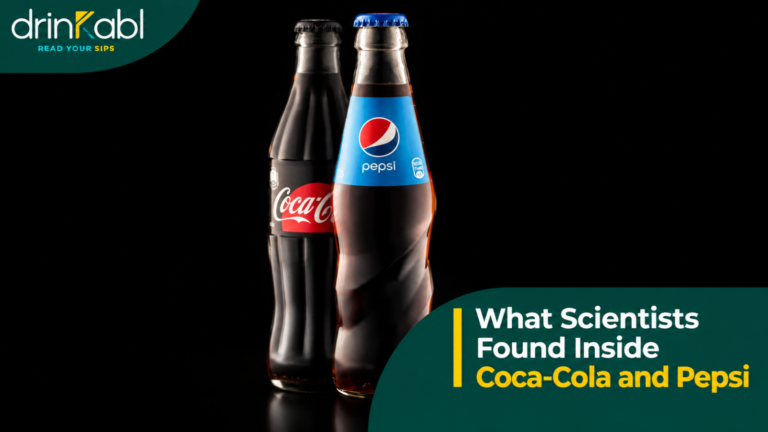
In 1992, Pepsi introduced Crystal Pepsi, a clear cola that challenged the familiar appearance of the category. The product was designed to look different from conventional dark-coloured cola while retaining a recognisable cola taste.
The launch attracted considerable attention, partly because consumers had strong expectations about what cola should look like. The transparent appearance raised questions about whether the drink was really cola, even before people tasted it. Crystal Pepsi was eventually withdrawn from the market, although it has returned through limited releases and nostalgia-led promotions.
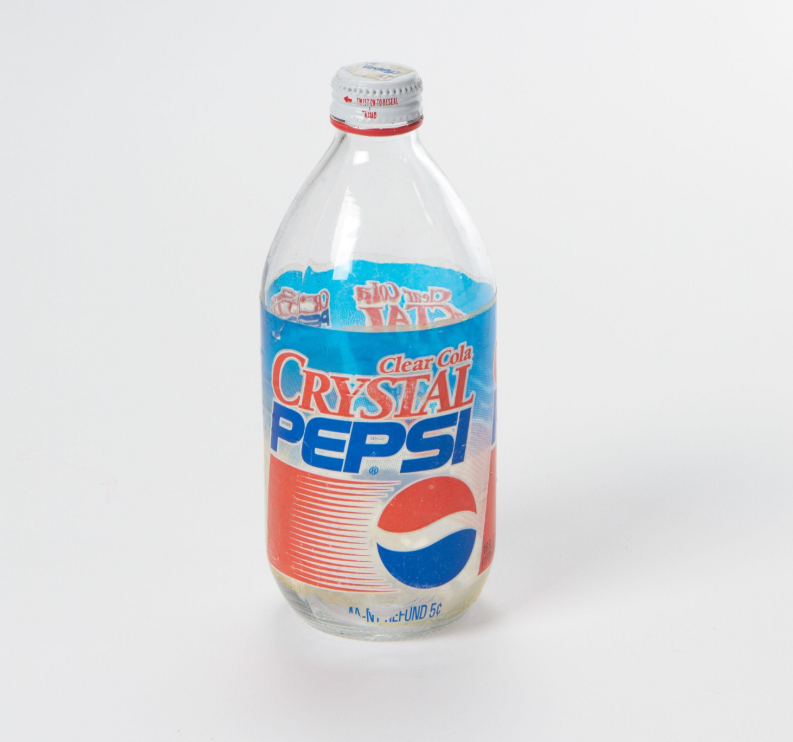
The experiment demonstrated that colour is more than decoration in beverages. It can shape expectations about flavour, identity and authenticity. Changing the appearance of a familiar drink may create curiosity, but it can also make consumers question whether the product is still what they think it is.
7. Some Beer Is Made to Be Served With a Slice of Lemon
The idea of putting fruit into beer can divide a room faster than a debate about whether a stout should be served cold. Yet fruit garnishes and citrus flavours have become part of the drinking experience in several beer markets.
In Mexico, the practice of serving beer with lime has become widely associated with brands such as Corona. The lime wedge is not merely a decorative addition; it has become part of the brand’s presentation and the consumer ritual around the bottle. The practice has also travelled internationally, influencing how some consumers expect certain beers to be served.
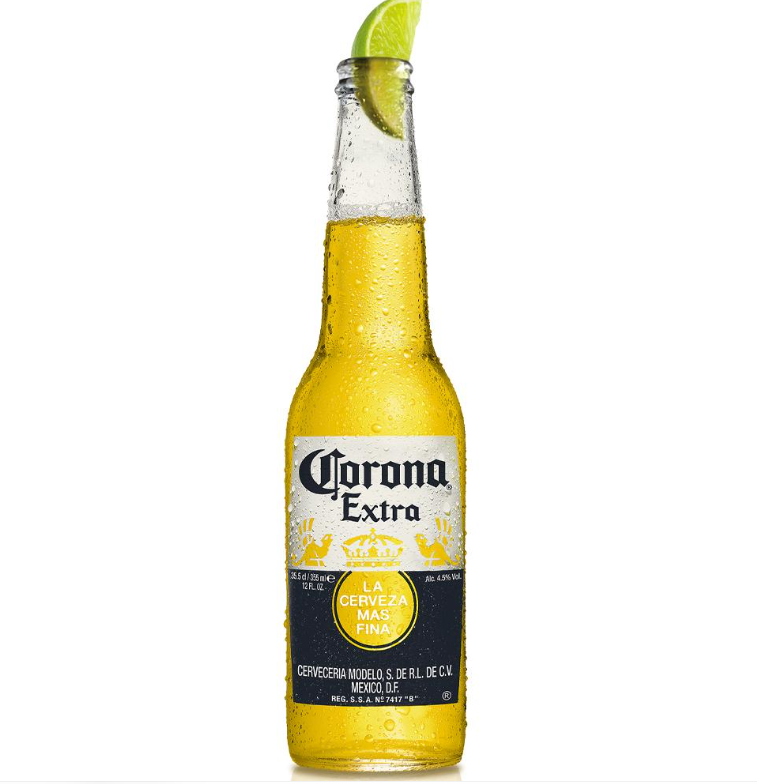
There is no single explanation for the origin of the custom, and it would be misleading to present one popular story as settled history. What is clear is that a simple serving ritual can become a recognisable part of a brand’s identity. Sometimes the difference between a product and an experience is a small detail placed at the mouth of the bottle.
The Last Pour
These stories show that beverage innovation does not always begin with a breakthrough ingredient or a complicated production technology. It can start with suspended jelly balls, a breakfast-cola experiment, surplus bread or a bottle sent into the Atlantic with a message inside.
Not every unusual idea earns a permanent place on the shelf. Some become cult favourites, some disappear, and others leave behind lessons that are more valuable than their sales figures. The industry keeps experimenting because consumer habits are not fixed, and brands are constantly searching for new ways to earn attention and create occasions.
The next time a drink arrives in an unexpected colour, carries an unusual ingredient or asks you to change how you serve it, remember: somebody, somewhere, probably pitched the idea in a meeting. And somebody else approved the budget.