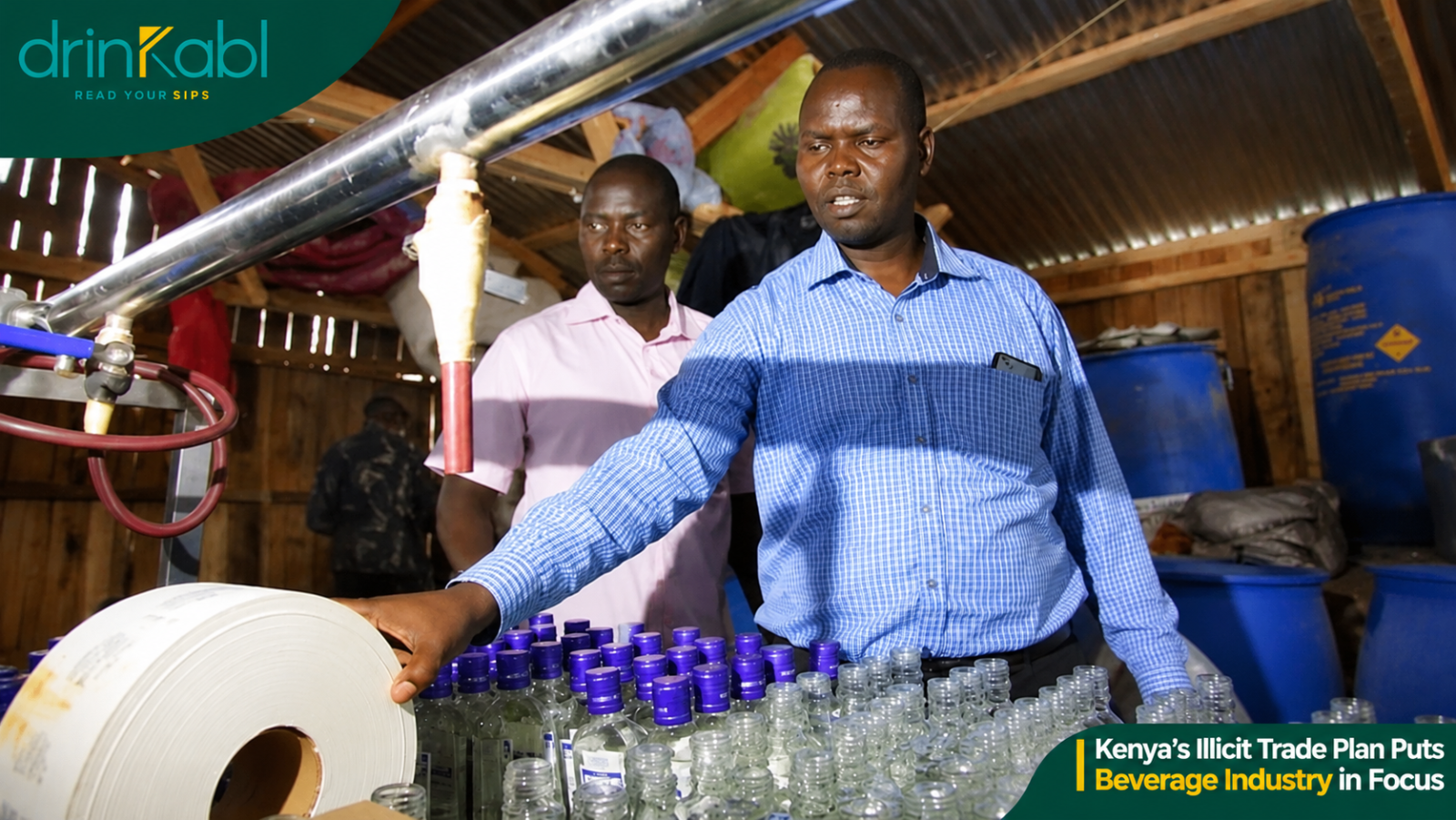

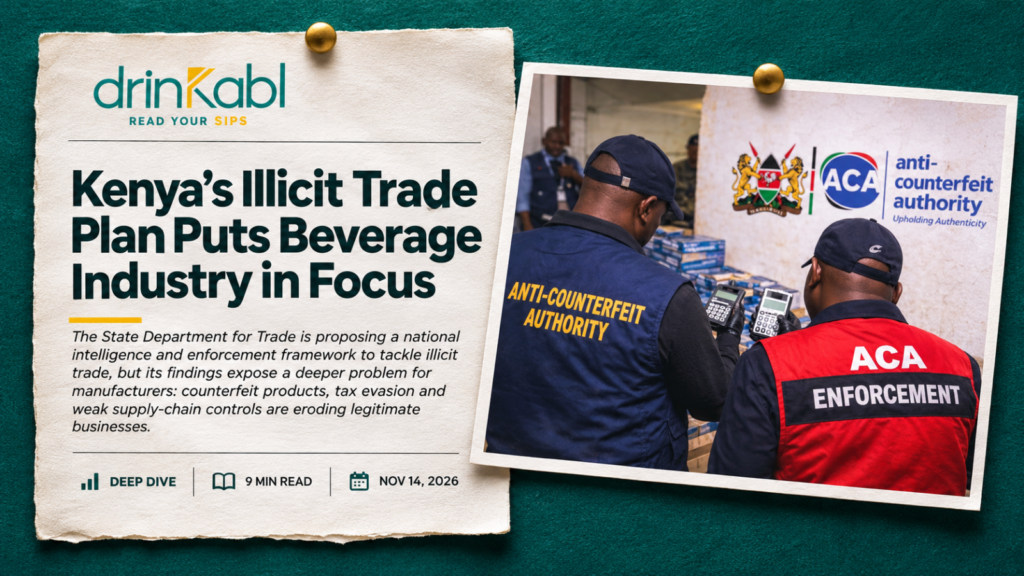
The State Department for Trade is proposing a national intelligence and enforcement framework to tackle illicit trade, but its findings expose a deeper problem for manufacturers: counterfeit products, tax evasion and weak supply-chain controls are eroding legitimate businesses while the government struggles to measure the full size of the market.
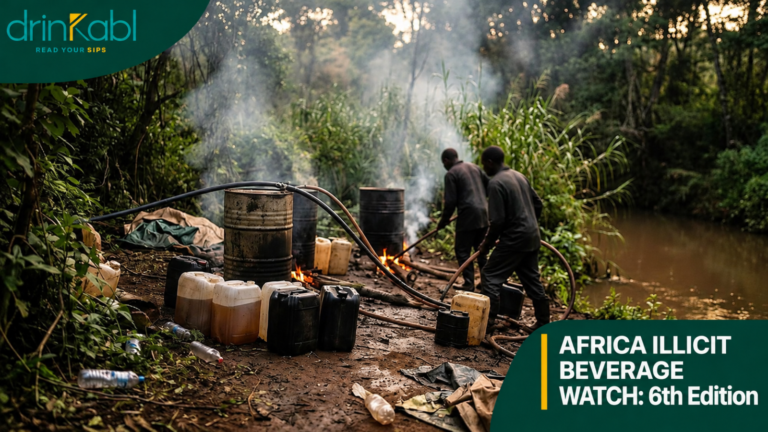
Kenya has a problem that its enforcement agencies have spent years trying to contain, but cannot yet accurately measure. Illicit products are entering through the country’s borders, passing through warehouses, finding their way into wholesale and retail distribution networks and eventually reaching consumers. Some are sold through conventional outlets. Others move through informal markets and increasingly through digital platforms. By the time regulators identify them, the products may already have been repackaged, diluted, relabelled or introduced into legitimate distribution channels.
That was the picture presented during a stakeholder validation meeting convened by Kenya’s State Department for Trade, where officials examined a national assessment of illicit trade and proposed a coordinated response. The exercise brought together a 20-member technical team and examined existing institutional data rather than conducting a fresh nationwide survey. Its central finding was uncomfortable: Kenya has laws, regulators and enforcement agencies, but the systems connecting them are not working effectively enough to contain the problem.
The proposed response is significant for the beverage industry, where illicit alcohol, counterfeit branding, diverted ethanol and tax evasion have created a parallel market that competes with licensed manufacturers. The assessment now places the question of implementation at the centre of the debate. If the proposed measures are adopted and properly executed, they could change how alcoholic and non-alcoholic beverages are manufactured, imported, distributed, authenticated and sold across Kenya.
The numbers are serious, but the measurement problem is bigger
One of the most revealing moments in the presentation concerned the age of the data used to estimate Kenya’s illicit economy. The country’s established national baseline remains anchored in 2017 and 2018, when illicit trade was estimated to have reached KSh826 billion in 2018, equivalent to 9.3% of GDP, up from KSh726 billion in 2017. The same assessment estimated government revenue losses of KSh153.1 billion in 2018, compared with KSh129.72 billion the previous year, alongside 44,198 jobs lost and KSh123 billion in foregone investment. These figures remain a historical benchmark, not a measurement of the market in 2026. The published baseline figures also differ from the KSh806 billion figure mentioned verbally during the presentation, making the published KSh826 billion figure the appropriate reference.
The significance of this gap goes beyond statistics. Kenya has no sufficiently integrated national system producing a contemporary estimate of the overall illicit economy. Government agencies collect information, but much of it remains within individual institutional databases. Consequently, authorities can report seizures, inspections and enforcement operations without necessarily knowing whether the overall volume of illicit trade is declining. The proposed national assessment is therefore trying to establish a measurement system that can distinguish increased enforcement activity from an actual reduction in illegal market activity.
The presentation also highlighted several more recent indicators. Enforcement-related data covering the 2024/25 and 2025/26 financial years reportedly showed an 18.5% increase in assessed revenue losses and a 5.5% increase in a reported false-declaration indicator. Another figure presented was a 25.2% estimated share of total market activity associated with illicit trade, alongside an average market-share loss of 25% for affected businesses and an estimated KSh3.9 million in lost annual revenue per firm. These figures were presented as indicators of the current problem, although the meeting transcript does not provide the underlying datasets, definitions or methodology needed to independently reproduce them.
The distinction matters. A country cannot credibly claim to have reduced illicit trade simply because its agencies have conducted more raids or seized more products. Equally, a rising number of seizures could indicate more effective detection rather than an expanding illegal market. Kenya’s proposed shift towards measuring actual market reduction is therefore one of the most consequential parts of the assessment.
Beverage manufacturers have a particularly large exposure
For the beverage industry, the historical baseline already contains an important warning. Food, beverages and non-alcoholic drinks accounted for 23.19% of the estimated government revenue losses attributed to illicit trade in 2018, the largest share among the sectors examined for that particular measure. This should not be confused with the sector’s share of all illicit products, but it demonstrates the scale of its exposure to revenue leakage.
More recent evidence concerning alcoholic beverages makes the situation harder to dismiss. A market assessment presented to Parliament in 2026 put illicit alcohol at approximately 59% of Kenya’s alcoholic drinks market by volume in 2022, equivalent to 898,478 hectolitres of litres-alcohol-equivalent. Its share by value was considerably lower, at 21%, representing approximately KSh67 billion. The estimated fiscal loss attributable to the illegal alcohol economy was KSh71 billion in the same year, with distilled spirits responsible for the greatest tax leakage. These figures are documented in the National Assembly’s consideration of the illegal alcohol petition.
The difference between volume and value is particularly revealing. Illicit alcohol accounts for a substantially larger proportion of consumption than its contribution to market value. This suggests that the illegal market competes heavily through lower-priced products, putting pressure on legitimate manufacturers whose operations carry excise duties, licensing obligations, quality-control expenses and distribution costs. It also means that conventional market valuations can give investors an incomplete picture of the actual competitive environment.
The problem extends beyond counterfeit bottles. The parliamentary findings identify illicit artisanal brews as 66% of illicit alcohol volume, tax leakage as 16%, counterfeit and illicit brands as 15%, and contraband or smuggling as 4%. Established ethanol smuggling routes were identified along the Kenya-Tanzania, Kenya-Uganda and Kenya-Ethiopia borders. This distinction is important because a strategy focused exclusively on counterfeit labels or imported finished products would leave much of the illegal alcohol economy untouched.
The commercial implications are already visible in the industry’s regulatory discussions. A separate 2025 firm-level survey covering alcoholic beverages and other vulnerable sectors found that 19% of products in the surveyed alcoholic beverage category were affected by counterfeiting. Meanwhile, consumer research found that awareness of counterfeiting within alcoholic drinks stood at 36.57%, despite overall public awareness of counterfeiting reaching 83.85%. The figures suggest that general familiarity with counterfeiting does not necessarily translate into the ability to recognise suspicious alcoholic products. The consumer research and firm-level findings offer a more recent picture of the problem.
The illegal market has moved beyond the border
A particularly important finding from the State Department’s presentation concerns how illicit products move through the economy. The assessment describes a chain beginning at entry points and customs clearance, continuing through warehousing and processing, and ending in wholesale, retail, informal and digital distribution channels.
This changes the way the beverage industry should understand the problem. A shipment intercepted at the border represents only one possible point of intervention. Other products may enter through legitimate channels before being diverted, while genuine packaging can be reused to disguise counterfeit or adulterated contents. In some cases, the product itself may be locally manufactured using illegally diverted raw materials rather than smuggled into the country as a finished drink.
The alcoholic beverage industry has already encountered these challenges. Investigations and enforcement discussions have identified refilling of genuine branded bottles, falsified excise stamps, diverted ethanol and the use of online and social media platforms to distribute counterfeit products. Kenya’s existing excise system includes security stamps and a digital mechanism intended to support authentication and supply-chain tracking. Consumers can also use the Soma Label application to verify excise stamps. However, the existence of an authentication system does not guarantee that every product reaching the market is genuine, particularly where packaging and verification identifiers are manipulated.
The implication is that manufacturers will increasingly need to account for the entire movement of their products, rather than relying solely on factory-level quality control. Distribution partners, wholesalers, retailers, transporters and packaging suppliers become part of the industry’s exposure to regulatory and reputational risk. A manufacturer whose brand is copied or whose bottles are refilled can lose sales and also find its reputation damaged by products it never produced.
Seven pillars could change the enforcement system
The assessment proposes seven mutually reinforcing pillars, built around national coordination, data intelligence, risk-based enforcement, supply-chain traceability, prosecution, sector-specific protection and cooperation between government, private-sector organisations and international partners.
At the centre is a national coordination framework, with political leadership proposed through the Office of the Deputy President and the State Department for Trade serving as the coordinating secretariat. Existing institutions would retain their legal mandates, but would be expected to operate within a common framework, share information and report against agreed performance indicators. The proposal does not envisage creating another enforcement agency.
The second pillar is particularly important. A national data and intelligence system would bring information currently scattered across government institutions into a common evidence base. The proposed national observatory would provide a shared picture of illicit trade, while standardised reporting templates would make it easier to compare information from different agencies. This would allow enforcement decisions to be guided by patterns of activity, rather than isolated reports of seizures and inspections.
For beverage manufacturers, the third and fourth pillars could have the most immediate commercial consequences. Risk-based enforcement would enable authorities to target products, manufacturers, distributors and markets with higher exposure to illegal activity. Supply-chain traceability would introduce greater emphasis on product serialization, secure identifiers, authentication and digital market surveillance.
In practical terms, this could mean closer monitoring of ethanol movements, more effective verification of excise stamps, better identification of suspicious production activities and improved tracking of finished products. If properly implemented, the measures could make it harder for counterfeiters to reuse legitimate packaging or introduce illicit products into formal distribution networks.
The fifth pillar addresses a longstanding weakness in enforcement: the distance between detecting an offence and securing a meaningful legal outcome. The assessment calls for faster case management, stronger prosecution and penalties proportionate to the offences committed. This is important because repeated seizures without effective prosecution can leave the networks, financiers and distribution structures behind illicit products largely intact.
The final two pillars extend the response into sector-specific protection and cooperation with communities, businesses and international partners. The proposed regional dimension is also significant. Illicit ethanol and finished beverage products move across borders, meaning Kenya cannot fully address the problem through domestic enforcement alone.
Implementation will determine whether the industry benefits
The implementation timetable is where the proposals become more concrete. During the first 12 months, the framework envisages establishing national coordination, intensifying risk-based enforcement, strengthening case coordination and integrating investigations. Stakeholder mapping is expected to be completed within three months, while standardised reporting templates for participating ministries, departments and agencies are proposed within six months.
Each participating institution would nominate a designated focal person responsible for submitting information, reporting progress and sharing intelligence within agreed timelines. The framework also proposes at least two national implementation reviews annually, allowing the government to assess whether illicit trade is declining and whether responsible institutions are delivering their commitments.
The validation meeting produced several important additions to the implementation debate. Private-sector participants called for safety to be recognised as a standalone consequence of illicit trade, particularly where unsafe LPG cylinders, counterfeit automotive components and other potentially dangerous products expose consumers to physical harm. There were also calls for stronger judicial-sector engagement, improved inter-agency technical capacity, clearer identification of the institution leading multi-agency activities and greater attention to the costs of regulatory compliance borne by legitimate businesses.
Funding was another point of disagreement. Some participants argued that agencies needed sufficient resources to deliver the proposed programme, particularly for staffing, intelligence gathering and technical capacity. However, the Permanent Secretary challenged the tendency to treat financing as the primary obstacle, arguing that institutional behaviour, accountability and regulatory weaknesses also needed attention. That distinction will matter during implementation because additional funding alone cannot resolve problems involving institutional coordination or unwillingness to enforce existing rules.
There was also a call for deeper regional cooperation, particularly in intelligence sharing, customs procedures and the tracking of suspicious cargo across East African borders. The technical team indicated that regional interoperability had been included among the longer-term recommendations, although stakeholders wanted this dimension to receive greater attention.
The proposed framework received no recorded objections during the validation exercise. Participants gave the assessment a positive endorsement, after which the secretariat committed to incorporating the feedback and preparing the report for its planned launch in Mombasa on 18 November 2026. The State Department’s wider commitment to developing a costed implementation plan had already been signalled through its October multi-agency workshop, which was intended to guide interventions through the 2026/27 financial year. However, stakeholder validation and endorsement should not be mistaken for evidence that the proposed national framework has already been formally adopted or implemented.
What successful implementation would mean for beverage businesses
For legitimate manufacturers, the potential benefits are substantial. More effective enforcement against counterfeit products and tax evasion could reduce the price advantage enjoyed by operators who avoid excise obligations, licensing and quality-control requirements. This would not automatically eliminate illegal competition, but it could improve the competitive position of businesses that invest in compliant production and distribution.
The impact could also extend to investment decisions. When manufacturers cannot reliably protect their trademarks, distribution networks and market share, the commercial case for expanding production becomes weaker. Reducing counterfeit competition and improving enforcement certainty could make Kenya more attractive for investment in beverage manufacturing, packaging, warehousing and distribution. The country’s manufacturing sector contributed 7.6% of GDP in 2023, while food, beverages and tobacco accounted for 4.2% of GDP, making the protection of legitimate production an important industrial policy consideration.
There is also a consumer dimension. Stronger authentication and traceability could make it easier to identify products whose contents, origin or tax status cannot be verified. Better enforcement against adulterated alcohol could reduce exposure to dangerous substances, while improved controls over locally produced and imported beverages could strengthen confidence in product standards. The wider public-health stakes are considerable: global estimates indicate that at least one in ten medical products in low- and middle-income countries is substandard or falsified, illustrating the consequences of weak product oversight, although this statistic is not a measure of beverage adulteration.
The difficult question is whether the government can sustain the proposed system beyond the launch of the report. Kenya already has an Anti-Counterfeit Authority, Kenya Revenue Authority, Kenya Bureau of Standards, police, customs controls and other institutions with responsibilities relating to illicit trade. The assessment itself argues that the country does not primarily need another institution. It needs existing institutions to work together, share information and be held accountable for measurable results.
For the beverage industry, the most important test will therefore be visible in the market. Are counterfeit products becoming harder to find? Are illegal producers losing access to diverted ethanol? Are genuine manufacturers recovering market share? Are prosecutions reaching the people financing and distributing illicit products? And can the government demonstrate that revenue losses are declining?
The State Department’s proposed measure of success is a shift away from counting seizures towards demonstrating that illicit trade has become harder to sustain, less profitable and easier to disrupt. That is a more demanding standard than reporting the number of enforcement operations conducted.
Kenya’s beverage manufacturers have spent years competing in a market where the costs of compliance are not shared equally. The proposed framework offers a way to address that imbalance, but its real value will only become apparent when the products that currently occupy legitimate shelf space without paying the full cost of entering the market begin to disappear.