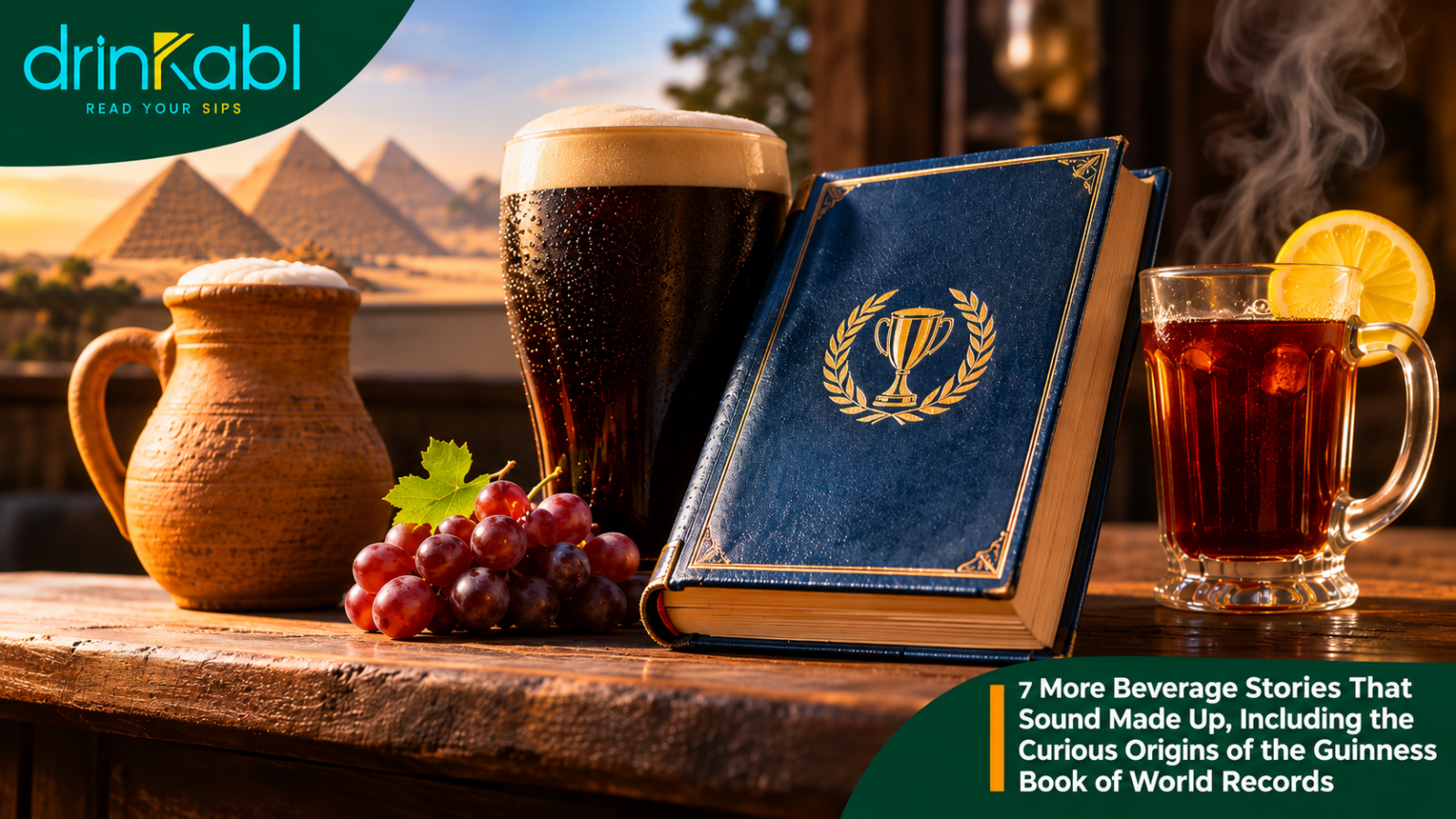

From ancient vending machines dispensing holy water to Americans selling grape bricks that practically came with instructions for making illegal wine, the history of beverages is considerably stranger than most industry reports suggest.
There is a serious side to the beverage business. Companies spend billions on production, distribution, advertising, packaging and research. Governments regulate what goes into bottles, while consumers argue about which brand tastes better. But the industry also has a wonderfully ridiculous history.
7 More Beverage Stories That Sound Made Up — Including the Curious Origins of the Guinness Book of World Records
People once received beer as part of their wages for building pyramids. An American soft-drink company decided that its product should be heated and served with lemon. A winery in Italy has a fountain that gives away wine. And a book that became famous for documenting extraordinary human achievements began with an argument involving a beer company executive. This is another reminder that the beverage industry has never been short of unusual ideas. Here are seven more stories worth discussing.
1. The World’s First Vending Machine Dispensed Holy Water
Around the 1st century BC | Alexandria, Ancient Egypt
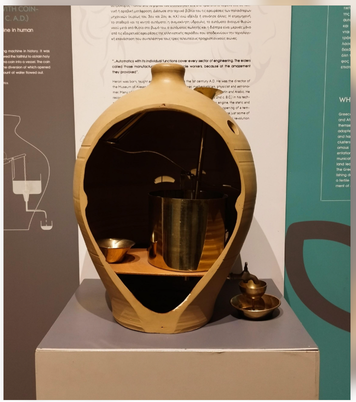
Modern vending machines sell everything from bottled water to energy drinks, snacks and coffee. But the concept is considerably older than most people realise. An ancient Greek engineer named Hero of Alexandria designed an automatic machine that dispensed holy water in temples.
The mechanism was surprisingly clever. A worshipper inserted a coin into the machine. The coin landed on a balance mechanism, which opened a valve and released a measured quantity of water. Once the coin fell away, the valve closed. In other words, the ancient world had already developed a coin-operated water dispenser more than 2,000 years ago. Imagine visiting a temple and discovering that even holy water required payment. The technology was mechanical rather than electrical, but the commercial principle was familiar: insert money, receive a measured product.
The beverage business lesson: Vending is not a modern invention. Convenience, automation and controlled dispensing have been part of the beverage trade for centuries. Today’s smart fridges and automated coffee machines are descendants of a surprisingly old idea.
Source: Kostas Kotsanas Museum – The automatic holy water server.
2. The People Who Built the Egyptian Pyramids Received Beer as Part of Their Food Rations
Around 2600 BC | Giza, Ancient Egypt
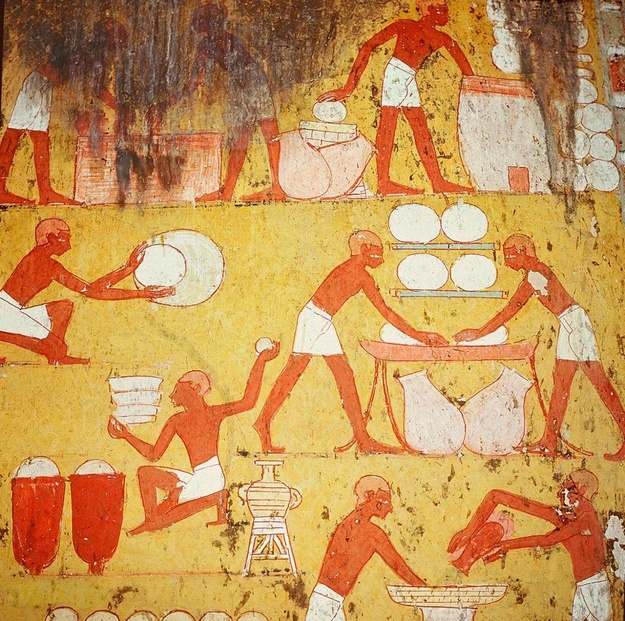
The Egyptian pyramids are among humanity’s most extraordinary engineering achievements. But while people tend to imagine workers hauling enormous stones under the Egyptian sun, there is another detail worth remembering: beer was an important part of their food system.
Historical and archaeological research indicates that workers involved in major royal construction projects received food rations that included bread and beer. The ancient Egyptian economy did not operate on modern cash wages. Food and other commodities were important components of compensation.
Beer was nutritious, widely consumed and produced in large quantities. It was part of everyday life, not simply a luxury reserved for celebrations. So, in a sense, beer was part of the workforce’s compensation package. Imagine a modern construction company announcing: “Your monthly remuneration includes your salary, transport allowance and a daily allocation of beer.” The HR department would have some explaining to do.
Of course, ancient Egyptian beer was not necessarily identical to the clear, carbonated lagers sold today. It was a different product, produced using ancient brewing methods.
The beverage business lesson: Drinks have historically been economic commodities, not merely consumer products. Beer played roles in nutrition, labour systems, trade and social organisation. Its commercial significance is much older than modern breweries.
Sources: Harvard University – Digital Giza FAQs and Ancient Egypt Research Associates – Feeding Pyramid Workers.
3. America’s Prohibition-Era Wine Companies Sold Grapes With Instructions Not to Make Wine
1920s | United States
This may be one of the greatest examples of a company pretending not to understand what its customers were actually buying. During American Prohibition, alcohol production and sales were heavily restricted. However, certain forms of home winemaking remained legal under specific conditions.
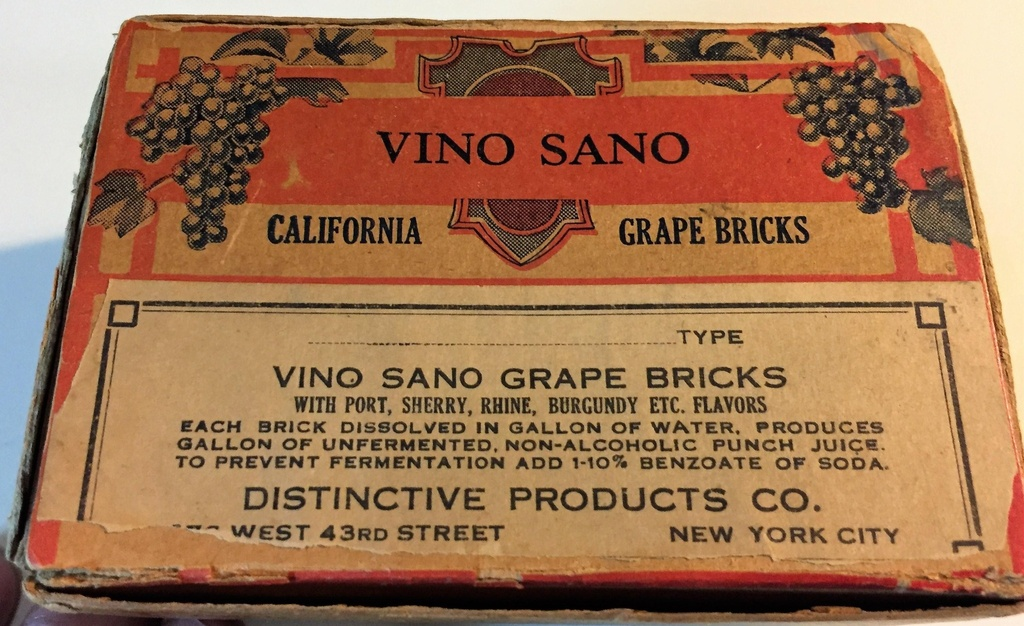
Wine producers and grape businesses needed to survive. Their solution was ingenious. They began selling concentrated grape products, including solid blocks known as grape bricks or wine bricks. These products were marketed as ingredients for making non-alcoholic grape juice.
But there was an interesting problem. If consumers dissolved the grape concentrate in water, added yeast and left it in a suitable environment for long enough, fermentation would occur. The result? Wine.
Some manufacturers included warnings explaining that customers should avoid precisely the combination of actions that would turn their grape concentrate into wine. The warning was essentially a description of the winemaking process disguised as advice against it.
One product, Vino Sano, sold grape concentrate bricks with warnings about fermentation. The trade became sufficiently significant to attract the attention of American prohibition enforcement officers. In 1927, federal agents raided the company’s New York sales office and seized thousands of bricks. The business had found a way to sell consumers most of what they needed to make wine while maintaining that the product was intended for something else.
The beverage business lesson: Regulation can reshape product innovation in unexpected ways. But it can also create loopholes, grey markets and enforcement challenges. The grape-brick episode is an extraordinary historical example of how businesses respond when consumer demand survives a legal prohibition.
Sources: The Mob Museum – Prohibition Products and Wine History Project – What To Do With All Those Wine Grapes During Prohibition?.
4. Someone Decided Dr Pepper Should Be Served Hot
1958 onwards | United States
For most people, soft drinks belong in a refrigerator. Cold. Fizzy. Refreshing. But Dr Pepper once had a different idea.
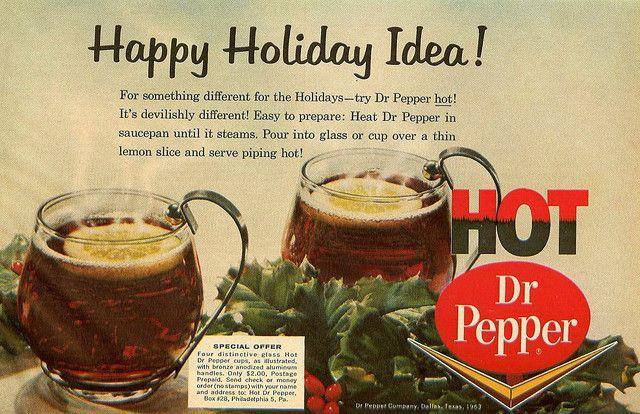
In September 1958, Wesby R. Parker, then president of the Dr Pepper Company, reportedly developed the idea of serving the soft drink warm after a visit to a bottling plant during cold weather. The company eventually promoted a product called Hot Dr Pepper.
The preparation was straightforward: heat Dr Pepper to approximately 180°F (82°C), pour it over a thin slice of lemon and serve. The company promoted the drink during the winter months, even producing special serving cups and advertising campaigns. It became a seasonal novelty that attracted consumers looking for something different from traditional hot beverages.
Think about the proposition. A beverage company spends years convincing people that its product is best served cold, then turns around and tells them to heat it in a saucepan. It sounds like a marketing department lost a bet. Yet Hot Dr Pepper was a real commercial campaign, and the Dr Pepper Museum still documents the product in its collection.
The beverage business lesson: Consumption occasions can be expanded by changing how a product is served. Beverage companies do not always need a new formula to create a new occasion. Sometimes a different temperature, serving ritual or pairing can reposition an existing product.
Source: Dr Pepper Museum – Hot Dr Pepper.
5. The Gin and Tonic’s Malaria Story Is Not Quite What People Think
19th century | British India
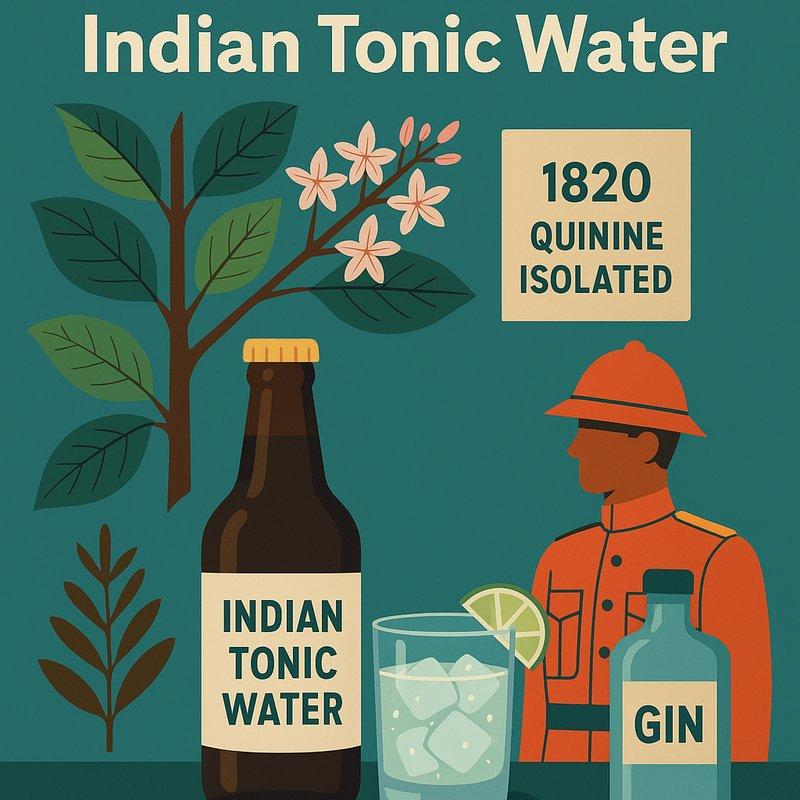
The gin and tonic is one of the world’s most recognisable cocktails. Its origin is commonly explained as a clever invention by British soldiers stationed in India, who mixed gin with bitter quinine tonic water to make their malaria medicine more enjoyable. It is a wonderful story. But the historical record is more complicated.
Quinine, extracted from cinchona bark, was indeed used as a treatment for malaria. Tonic water was developed with quinine, and the bitter taste made it difficult to consume in large quantities. Gin and other spirits were sometimes used to make quinine preparations more palatable.
However, the popular story that the modern gin and tonic was simply invented as a malaria-prevention cocktail is not entirely supported by the historical evidence. The Royal Botanic Gardens, Kew, notes that tonic water was patented in 1858 and that the first known printed reference to a gin and tonic cocktail appeared in 1868 in India.
There is an important distinction here: medicinal quinine and modern commercial tonic water are not interchangeable. Today’s tonic water contains too little quinine to prevent or treat malaria. So, if someone tells you that ordering a gin and tonic is a medically sound way to protect yourself from malaria, they are confusing cocktail history with medical advice.
The beverage business lesson: Product origin stories can become more powerful than the historical evidence behind them. Brands and consumers should distinguish between genuine product history, popular folklore and health claims. A fascinating origin story does not make a medical claim true.
Source: Royal Botanic Gardens, Kew – Just the Tonic: A Natural History of Tonic Water.
6. Guinness World Records Began Because a Brewery Boss Lost an Argument About a Bird
Early 1950s | Ireland and Britain
Guinness is famous for its stout. But the company also gave the world one of the most recognised reference books ever published. The Guinness World Records book began with a disagreement involving Sir Hugh Beaver, managing director of Guinness Brewery.
During a shooting party in County Wexford, Ireland, in the early 1950s, Beaver and his companions argued about which game bird was the fastest in Europe. They could not find an authoritative reference book that settled the disagreement.
Beaver realised that similar arguments probably happened regularly in pubs. What if there were a book containing reliable answers to questions people argued about? In 1954, he approached twin researchers Norris and Ross McWhirter to compile such a publication. The first Guinness Book of Records appeared in 1955. The idea was originally connected to a beer company’s promotional ambitions, but it eventually became a global publishing phenomenon.
Today, Guinness World Records is an independent record-keeping brand, separate from the brewery’s business operations. The funniest part is that an argument about a bird helped create an international institution dedicated to documenting extraordinary human achievements. Somewhere, a pub disagreement became a business strategy.
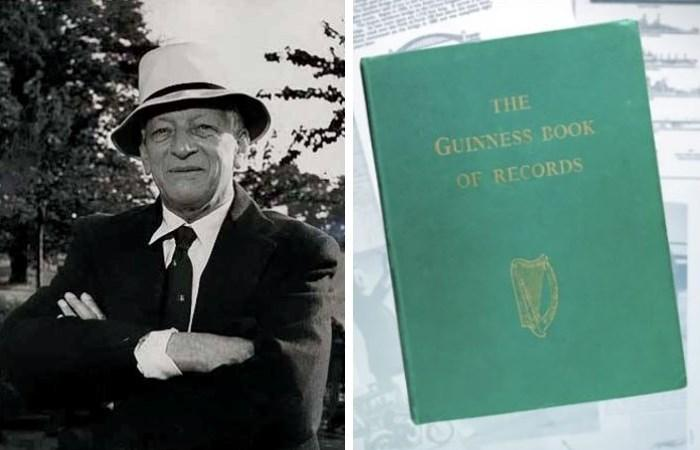
The beverage business lesson: Strong brands can build entirely new businesses around their existing identity. Guinness transformed a promotional idea into a globally recognised information and entertainment brand.
Source: Guinness World Records – Our Story.
7. There Is a Wine Fountain in Italy That Gives Wine Away for Free
Modern day | Abruzzo, Italy
Most wineries want visitors to buy their wine. One winery in Italy has taken a rather different approach. At Cantina Dora Sarchese in Abruzzo, there is a fountain that dispenses wine free of charge to visitors and pilgrims travelling along the Cammino di San Tommaso pilgrimage route.
The project was inspired by the owners’ experience of encountering a wine fountain during a pilgrimage to Santiago de Compostela in Spain. They decided to establish something similar along the Italian route. The result is a real wine fountain where visitors can enjoy wine during the winery’s opening hours.
It is not an unlimited public alcohol tap operating around the clock, as some internet descriptions suggest. It is a visitor attraction with a particular cultural and hospitality purpose. Still, imagine walking a long pilgrimage route, becoming thirsty and discovering that the next refreshment stop offers wine rather than bottled water. The hospitality industry might want to study this business model.
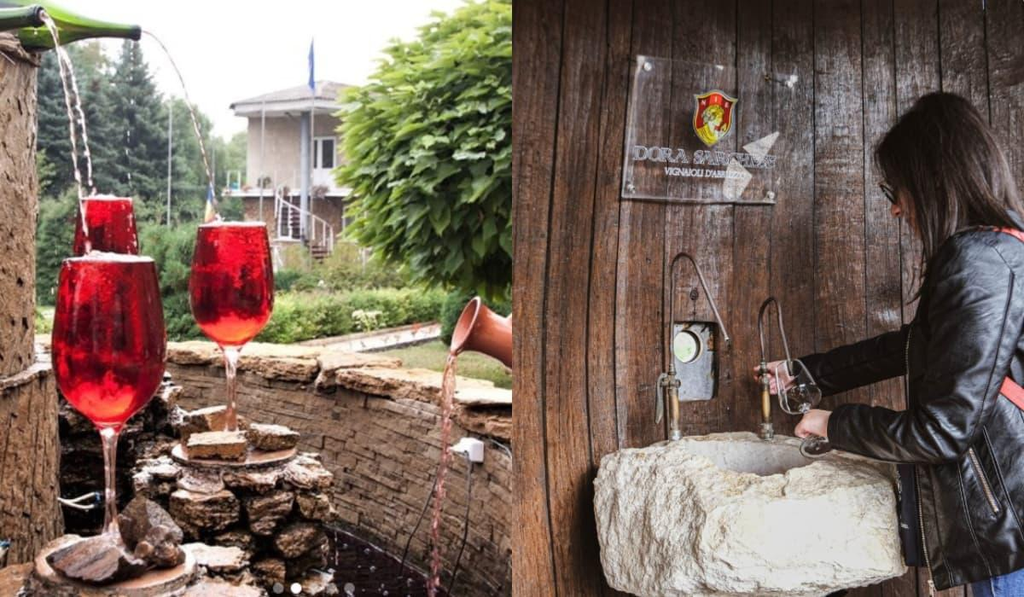
The beverage business lesson: Experiential marketing does not always require elaborate technology or expensive installations. A memorable visitor experience, cultural connection and a distinctive product offering can create publicity that conventional advertising struggles to achieve.
Source: Cantina Dora Sarchese – The Wine Fountain.
What These Seven Stories Tell Us
The beverage business has been solving human problems, creating new habits and occasionally producing questionable ideas for thousands of years.
Ancient engineers were already experimenting with automated water dispensing. Egyptian construction workers received beer as part of their food rations. American wine producers found creative ways to survive Prohibition. Dr Pepper experimented with serving a soft drink hot. Gin and tonic acquired an origin story that became more famous than the historical evidence. Guinness turned a pub argument into a global brand, while an Italian winery transformed a pilgrimage experience into a wine fountain.
There is a common thread running through all seven stories. Beverages are never just about the liquid. They are about the systems that deliver them, the cultures that consume them, the regulations that shape them, the stories that sell them and the experiences people associate with them.
And sometimes, the best business idea starts with a rather strange question: What if we put a vending machine outside a temple? What if we paid workers in beer? What if we sold grape concentrate and warned people not to turn it into wine? Or what if we heated a soft drink and served it with lemon?
The beverage industry has repeatedly demonstrated that strange ideas are not necessarily bad ideas. Some become commercial successes. Others become historical curiosities. But almost all of them give us something interesting to talk about.