
Africa Illicit Beverage Watch scans the continent weekly to track illicit beverage activities, protecting operators and brand distributors against counterfeit risks and regulatory shifts. For comments, corrections, or interviews, reach out to hello@drinkabl.media.
Ondo’s 48 Deaths Put Nigeria’s Fake Drinks Trade Under Renewed Scrutiny
Medical professionals in Ondo have called for tougher inspections following a poisoning outbreak linked to suspected contaminated drinks. In Bauchi, police are investigating a child’s death after alleged consumption of a beverage, while Burkina Faso’s disclosure of a major banned-drink seizure and Kenya’s expanding anti-counterfeit campaign add to the week’s regulatory concerns.
The week of 26 October to 1 November brought renewed attention to the risks associated with illicit and potentially unsafe beverages across Africa. In Nigeria, doctors called for stronger enforcement following a poisoning outbreak that NAFDAC linked to methanol-contaminated drinks. A separate police investigation in Bauchi raised questions about beverage safety, although authorities have not established that a drink caused the child’s death.
Elsewhere, Burkina Faso’s customs service disclosed the seizure of thousands of banned alcoholic energy drinks, while Kenya’s Anti-Counterfeit Authority announced intensified action against illicit products. The cases involve different offences and levels of evidence, but they point to continuing challenges in controlling the production, movement and sale of non-compliant beverages.
Ondo Doctors Demand Action After 48 Deaths
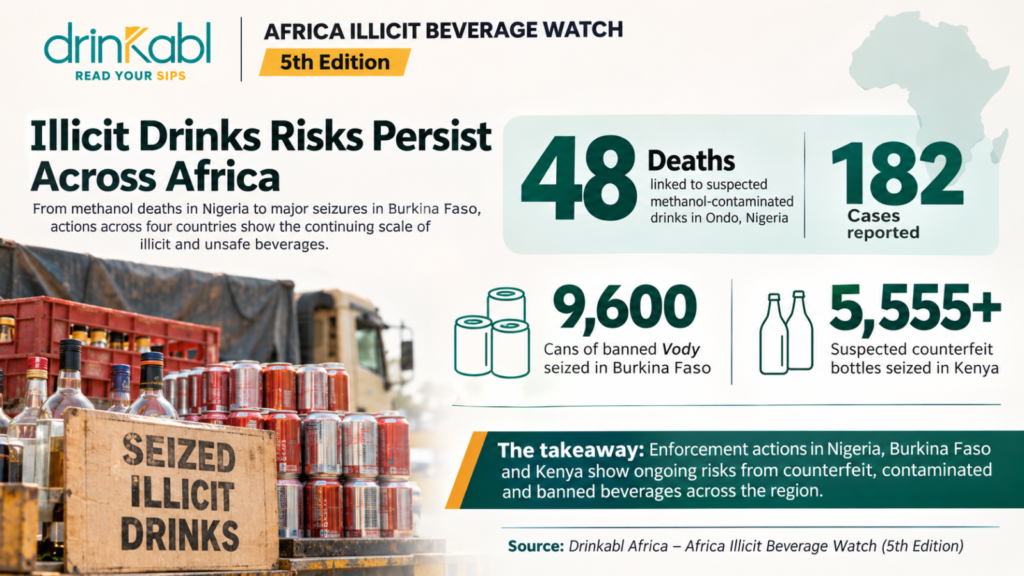
On 26 October, the Nigerian Medical Association (NMA) in Ondo State urged regulators to intensify inspections and prosecute those responsible for counterfeit and unsafe beverages. The demand followed a poisoning outbreak in September in which NAFDAC reported 48 deaths and 182 cases linked to suspected contaminated drinks. Subsequent laboratory investigations found high concentrations of methanol in 15 samples of unlabelled locally prepared alcoholic and herbal drinks. The association’s chairman, Roland Arohunmolase, also raised concerns about young people developing serious liver and kidney conditions, although the causes of those separate cases have not been established. The medical association’s warning puts pressure on regulators to extend enforcement beyond manufacturing facilities into retail outlets.
The NMA wants unannounced inspections of supermarkets, hotels, bars and other outlets, alongside prosecution of manufacturers and distributors found responsible for unsafe products. It has also called for stronger authentication measures, including tamper-proof seals, holograms and QR codes. These measures can help identify genuine products, but packaging security cannot establish whether a drink is chemically safe. The laboratory findings from Ondo provide evidence of methanol contamination in the tested samples, but investigators have yet to establish the source of the chemical and the full distribution network behind the outbreak.
Bauchi Police Investigate Child’s Death After Beverage Consumption
On 24 October, six-year-old Mubarak Ibrahim died after eight days of treatment following an illness that reportedly began shortly after he consumed a beverage allegedly given to him by his stepmother in Kwaimawa village, Alkaleri Local Government Area of Bauchi State. Police arrested the 23-year-old woman as investigators examined the circumstances surrounding the incident. The child had reportedly begun vomiting on 16 October before being transferred from a local health centre to the Federal Medical Centre in Gombe. The police investigation had not established the substance involved or confirmed that the beverage caused his death.

The case should not be classified as a confirmed counterfeit or adulterated-drink incident. No toxicology findings have been made public, and the allegation against the arrested woman remains unproven. Its inclusion in the week’s beverage safety coverage reflects the need for investigators to establish what the child consumed and whether the substance played any role in his death. The police investigation remains separate from the Ondo poisoning outbreak and the suspected counterfeit production operations elsewhere in Nigeria.
Burkina Faso’s Banned Vody Seizure Exposes Cross-Border Trade
On 26 October, Drinkabl reported that Burkina Faso’s customs service had seized 9,600 cans of Vody, an alcoholic energy drink banned in the country since June 2024. The cans, equivalent to 2,400 litres, were concealed beneath clinker in trucks travelling along the Cinkansé-Ouagadougou corridor. The consignment was intercepted as part of Operation Manya, a customs campaign that ran from July to 15 October 2026. The trucks also carried 10,800 cans of Desperados and more than 1.3 million medicine tablets. The customs seizure was presented as evidence of continued attempts to move prohibited products across the country’s borders.
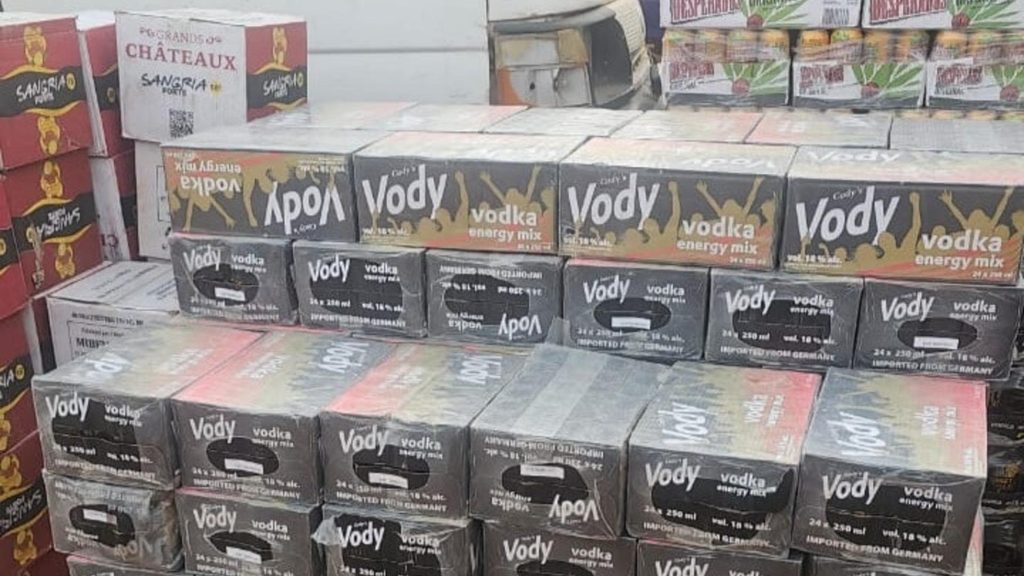
A trader who claimed ownership of part of the shipment said the drinks had been purchased in Lagos, transported to Lomé in Togo and then moved towards Burkina Faso through intermediaries. His account has not been independently confirmed. Customs director-general Yves Kafando said smuggling persisted despite earlier arrests and warned that controls would be tightened. The reported seizure occurred earlier in October, not during the 26 October to 1 November reporting period, but its disclosure this week raises questions about regional distribution routes and the enforcement of Burkina Faso’s ban.
Kenya Intensifies Its Anti-Counterfeit Campaign
On 22 October, Kenya’s Anti-Counterfeit Authority announced intensified nationwide enforcement against counterfeit and illicit alcohol, alongside other prohibited goods. Although the announcement falls just outside this edition’s reporting dates, it remained a significant regulatory development during the wider period of scrutiny. The authority disclosed that operations conducted between 20 August and 3 September had resulted in 36 arrests and apprehensions, the seizure of more than 5,555 suspected counterfeit bottles and the recovery of approximately 39,580 litres of illicit brew. A separate September operation in Makindu, Makueni County, recovered 8,459 suspected counterfeit alcoholic products valued at approximately KSh 2.1 million. The authority’s announcement also outlined stronger cooperation with KRA, KEBS and other agencies.
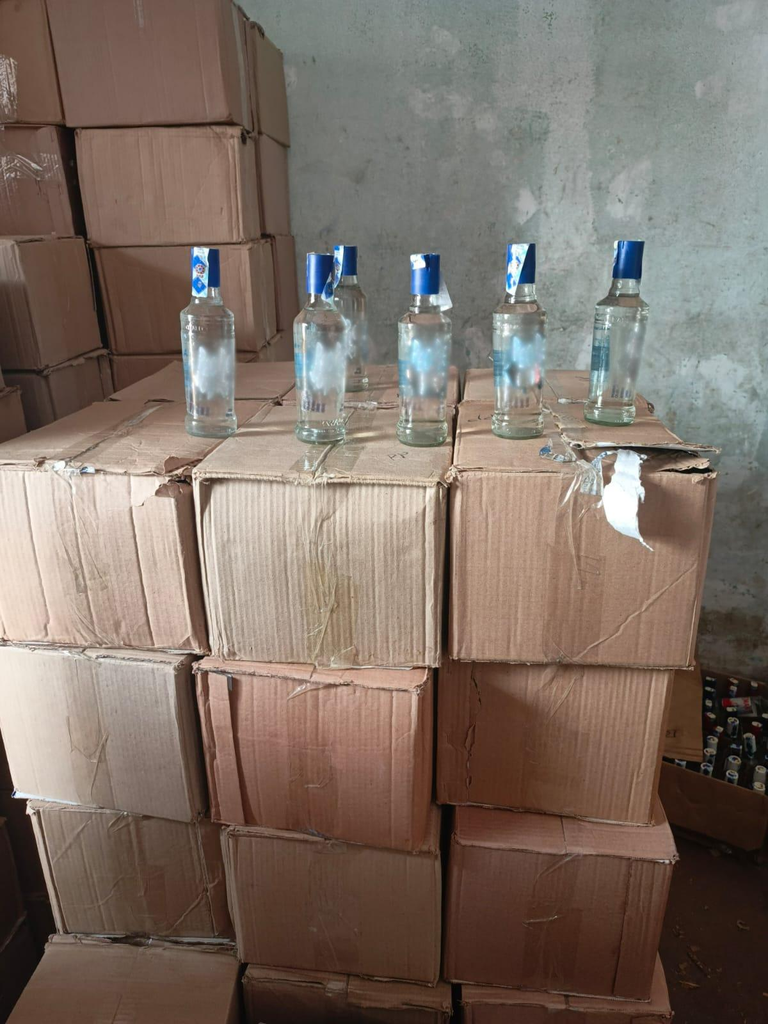
The figures describe operations conducted before this week’s window and should not be treated as new October seizures. They nevertheless show the scale of enforcement activity Kenya is pursuing against counterfeit products and illicit brewing. The next question is whether the intensified campaign produces more completed investigations, prosecutions and convictions, rather than simply increasing the volume of goods recovered.
The Week at a Glance
| Location | Date | Classification | Evidence status |
|---|---|---|---|
| Ondo, Nigeria | 26 October | Suspected contaminated drinks | 48 deaths and 182 cases reported; methanol confirmed in 15 tested samples |
| Bauchi, Nigeria | 24 October | Suspected beverage-related illness and death | Police investigation; beverage involvement not established |
| Burkina Faso | Reported 26 October; seizure earlier in October | Importation of banned alcoholic energy drinks | Customs seizure of 9,600 cans; trader’s Lagos route account unverified |
| Kenya, nationwide | Announcement 22 October | Counterfeit and illicit alcohol enforcement | Official figures from August and September operations |
Open Questions
In Ondo, investigators still need to identify the source of the methanol, establish how the contaminated drinks were distributed and determine whether further prosecutions will follow. In Bauchi, toxicology findings and the outcome of the police investigation will be necessary before the beverage can be implicated in the child’s death. In Burkina Faso, customs authorities need to establish the full route taken by the seized Vody and verify the trader’s account of its origin. In Kenya, the effectiveness of the intensified campaign will depend on the outcome of investigations and the ability to disrupt suppliers and distributors.
This week’s developments show why enforcement reporting must go beyond the number of bottles seized or the value of recovered goods. Laboratory results, traceable supply chains and concluded legal proceedings provide stronger evidence of whether illicit beverage networks are being disrupted. Until those details emerge, suspected products, confirmed contamination and alleged offences must remain clearly distinguished.
From the archives: Read previous editions of AFRICA ILLICIT BEVERAGE WATCH.