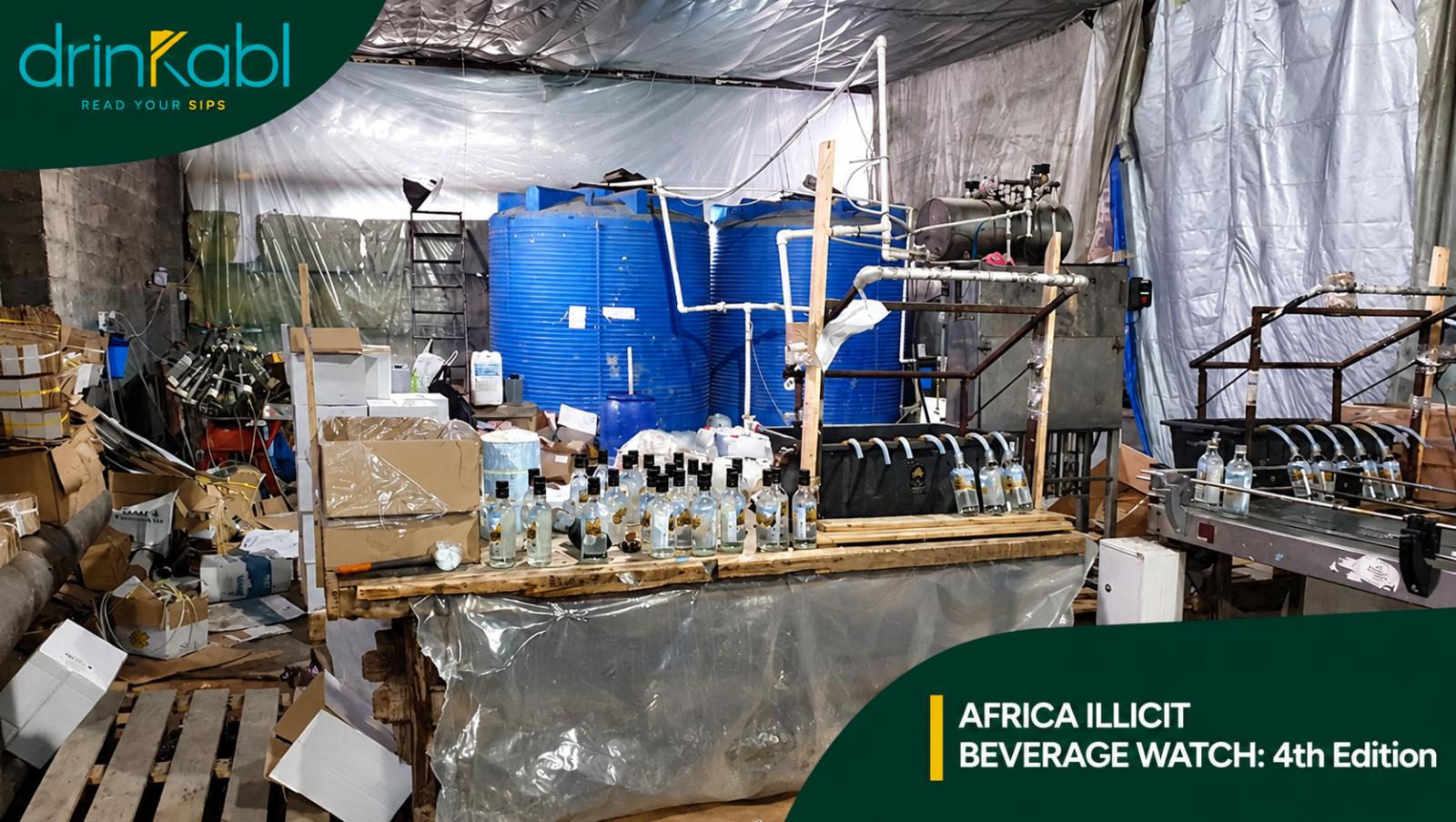

Africa Illicit Beverage Watch scans the continent weekly to track illicit beverage activities, protecting operators and brand distributors against counterfeit risks and regulatory shifts. For comments, corrections, or interviews, reach out to hello@drinkabl.media.
Nigeria Finds Another Suspected Fake Alcohol Plant as Kenya Escalates Its Crackdown
NAFDAC uncovered a suspected ₦500 million alcohol production facility in Aba and destroyed more than 100 sacks of empty beverage bottles in Lagos. In Kenya, police seized suspected illicit drinks in Kirinyaga as the government moved towards tougher penalties and asset seizures targeting the trade.
The week of 19 to 25 October brought fresh evidence of suspected illicit alcohol activity in Nigeria and Kenya. In Aba, investigators found equipment and materials at a suspected counterfeit drinks facility. In Lagos, empty branded bottles stored in a residential building raised concerns about their possible reuse. Kenya’s enforcement efforts focused on suspected illicit consignments and a proposed legal response targeting the wider supply chain.
The cases expose different parts of the trade, but the evidence must be kept distinct. Empty bottles are not proof of counterfeit finished drinks, and products awaiting laboratory analysis cannot automatically be classified as adulterated. The central questions are where the materials came from, who controlled them and whether investigators can trace the supply chains behind the suspected operations.
Aba Facility Raises Fresh Counterfeiting Questions
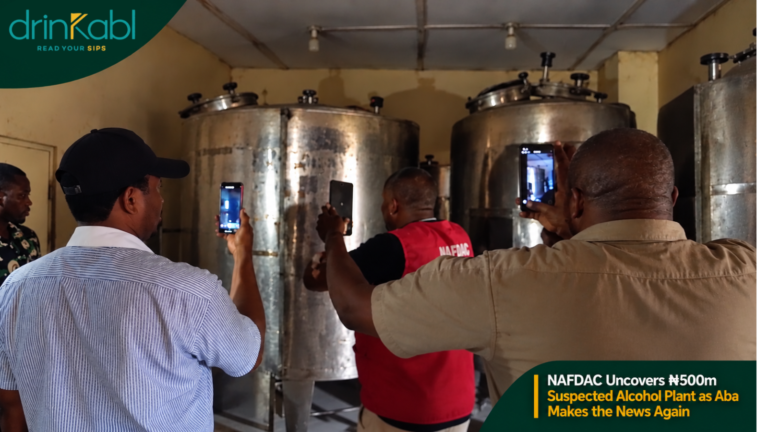
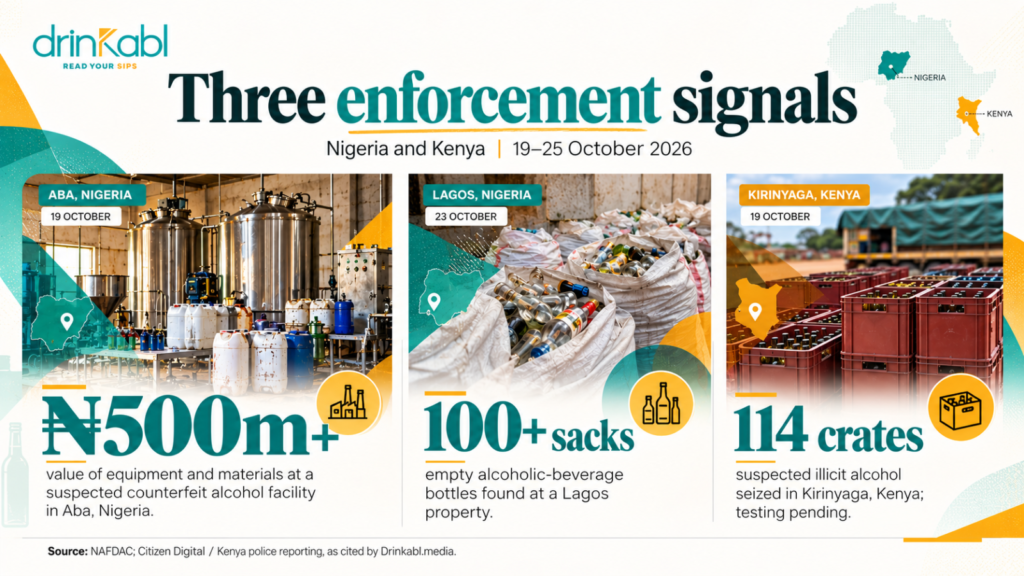
On 19 October, the National Agency for Food and Drug Administration and Control (NAFDAC) announced the discovery of a suspected counterfeit alcoholic drinks production facility at No. 25 Omenazu Street in Aba, Abia State. Equipment, materials and facility components were valued at more than ₦500 million. Officials found empty bottles, sealing machines, cartons, ethanol and tanks containing unidentified liquid mixtures. Materials bearing the names Sir Edwards Scotch Whisky and Scottish Hills Whisky were also recovered. The suspected operator reportedly fled as officials arrived. NAFDAC’s discovery was reported the following day.
The discovery came days after NAFDAC seized counterfeit beverage packaging valued at more than ₦200 million from shops in Aba. However, the agency has not established a connection between the two locations, their operators or the materials recovered. The latest facility contained substances whose composition had not been confirmed, so the extent of any consumer exposure remains unknown. Investigators still need to identify the people behind the operation and establish whether finished products entered the market.
Lagos Bottle Stockpile Points to Another Supply Chain Risk
On 23 October, NAFDAC disclosed that it had uncovered more than 100 sacks of empty alcoholic beverage bottles at a residential property at 322B Meiran Road, Agbado Oke-Odo, Lagos. The agency’s Investigation and Enforcement Directorate found bottles of different sizes and brands stored under tarpaulins. NAFDAC said the bottles were destroyed to prevent their possible reuse in counterfeit production. The operation followed intelligence about activities at the property.
The discovery matters because counterfeit production depends on more than the liquid inside a bottle. Access to genuine-looking containers can help unauthorised products imitate established brands and make verification harder for retailers and consumers. But NAFDAC has not publicly established which finished products, if any, were made using the recovered bottles, or identified the suspected recipients. The next step is to trace the collection and distribution of the containers.

Kenya Seizes Suspected Illicit Alcohol in Kirinyaga
On 19 October, police in Mwea East Sub-County, Kirinyaga County, seized 114 crates of suspected illicit alcohol after receiving information about a lorry transporting a consignment to a bar depot. Officers intercepted the shipment at Murubara, recovering Diamond Ice drinks and 200 empty crates. Further searches yielded cartons of People Vodka, People Gin, lemonades and additional suspected illicit alcohol in Ngurubani. The products were detained pending examination by the Government Chemist, the Kenya Revenue Authority (KRA) and the Kenya Bureau of Standards (KEBS). The seizure had not produced publicly reported laboratory findings by the end of the week.
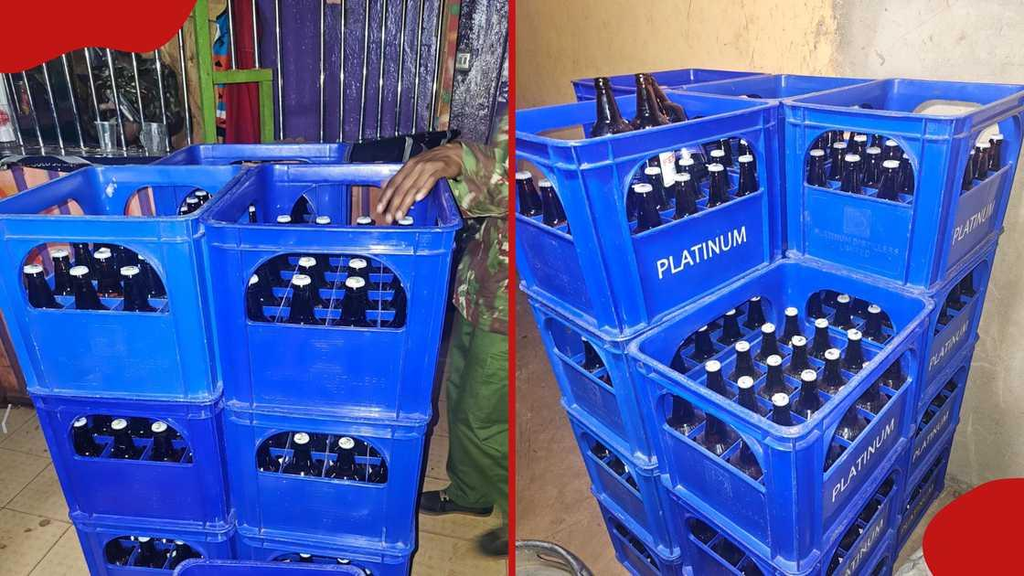
One complication is that some seized products reportedly carried KRA and KEBS stamps. Their presence does not, by itself, establish authenticity or compliance, which is why further checks matter. Residents also raised concerns about unfamiliar brands entering local bars, while some argued that investigations should target manufacturers and transporters rather than focusing only on retailers. The pending tests should help establish whether the products were counterfeit, non-compliant or otherwise illicit.
Kenya Moves Towards Tougher Penalties
On 21 October, Deputy President Kithure Kindiki announced that Kenya was reviewing its legal framework to introduce tougher penalties for people involved in illicit alcohol production, distribution and financing. The government also said it was elevating the issue within its organised-crime response and strengthening coordination among agencies, including NACADA, the police, KEBS, the Anti-Counterfeit Authority and KRA. The measures under consideration include asset forfeiture and the confiscation of funds linked to illicit networks. The policy announcement also cited nine operations targeting ethanol and 116 operations against illicit traditional brews.
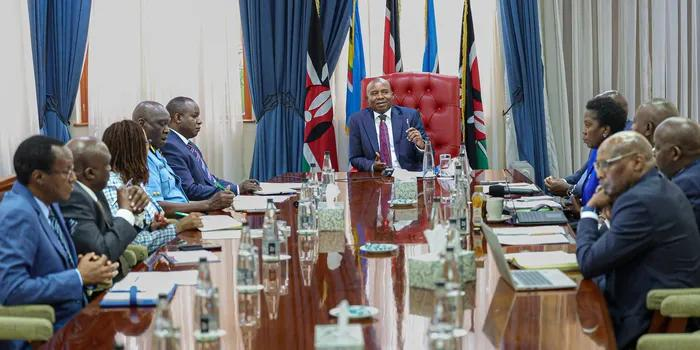
These are proposed legal changes, not evidence that new penalties or asset-seizure powers have already taken effect. Their effectiveness will depend on the legislation ultimately adopted, the evidence gathered against suspects and the ability of agencies to coordinate investigations. The government’s approach signals a move towards targeting the financial and logistical infrastructure of illicit alcohol, rather than relying on seizures alone.
The Week at a Glance
| Location | Date | Classification | Evidence status |
|---|---|---|---|
| Aba, Nigeria | 19 October | Suspected counterfeit production | Equipment and materials valued above ₦500m; operator not identified publicly |
| Lagos, Nigeria | Reported 23 October | Empty bottles suspected of supporting counterfeiting | More than 100 sacks destroyed; recipients unconfirmed |
| Kirinyaga, Kenya | 19 October | Suspected illicit alcohol | 114 crates seized; authenticity testing pending |
| Kenya, nationwide | 21 October | Proposed legal and enforcement measures | Legislative changes and asset-forfeiture proposals not yet confirmed as enacted |
Open Questions
In Aba, investigators need to establish who operated the suspected facility and whether any finished drinks reached consumers. In Lagos, the priority is identifying the source of the empty bottles and the intended recipients. In Kirinyaga, laboratory and regulatory tests should clarify the status of the seized consignments. In Kenya more broadly, the next measure of progress will be whether proposed legal changes translate into completed cases against the people financing and supplying illicit alcohol.
The week’s developments show why seizure values and recovered quantities tell only part of the story. The stronger evidence will come from verified product testing, prosecutions, court outcomes and documented links between production sites and distribution networks.
From the archives: Read previous editions of AFRICA ILLICIT BEVERAGE WATCH.