
Africa Illicit Beverage Watch scans the continent weekly to track illicit beverage activities, protecting operators and brand distributors against counterfeit risks and regulatory shifts. For comments, corrections, or interviews, reach out to hello@drinkabl.media.
Kenya Seizes 1,000 Litres of Illicit Brew as Nigeria Raids Lagos Market
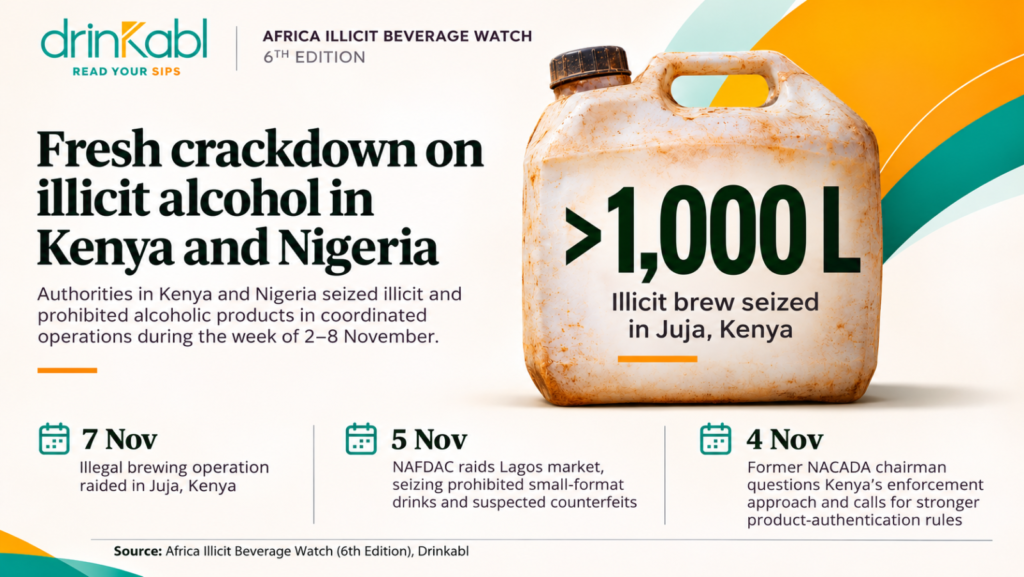
Police uncovered an illegal brewing operation along Kenya’s Ndarugo River, recovering more than 1,000 litres of illicit alcohol. In Nigeria, NAFDAC seized prohibited small-format alcoholic drinks and suspected counterfeit products in Lagos, while Kenya’s former NACADA chairman questioned whether the country’s enforcement campaigns are addressing the regulatory weaknesses behind counterfeit alcohol.
The week of 2 to 8 November brought renewed scrutiny of illicit alcohol production and distribution in Kenya and Nigeria. In Juja, Kenyan authorities uncovered an illegal brewing operation involving industrial ingredients and recovered more than 1,000 litres of locally produced alcohol. In Lagos, regulators continued their campaign against prohibited alcoholic drinks and suspected counterfeit products, while criticism from a former Kenyan regulator raised questions about the effectiveness of the country’s existing alcohol-control framework.
The cases expose different weaknesses in the beverage supply chain. Illegal brewing, counterfeit branding and the sale of prohibited products are separate offences, requiring different investigative approaches. The challenge for regulators is to move beyond recovering products and establish who manufactures, finances and distributes them.
Juja Raid Uncovers Illegal Brewing Along Ndarugo River
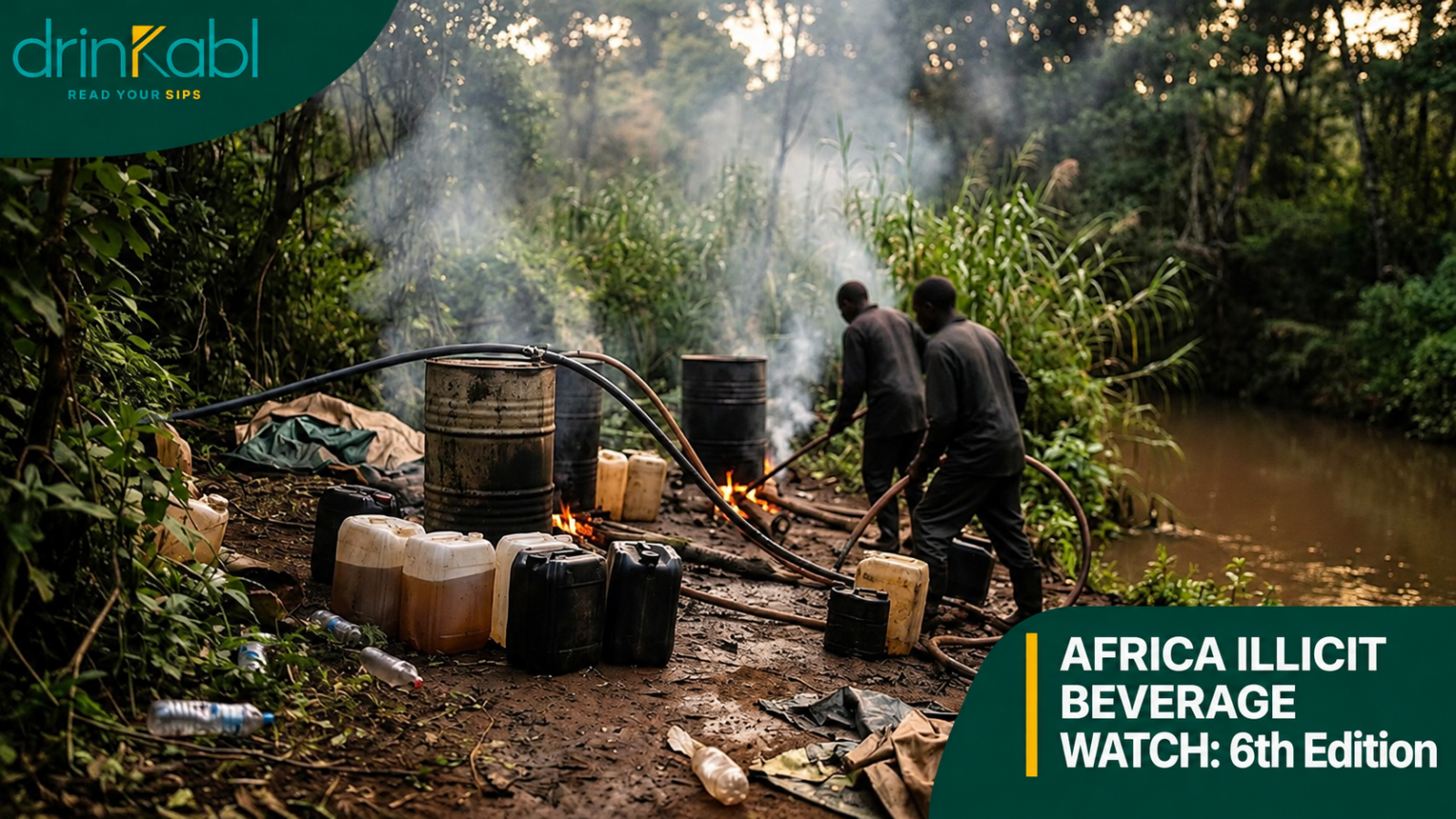
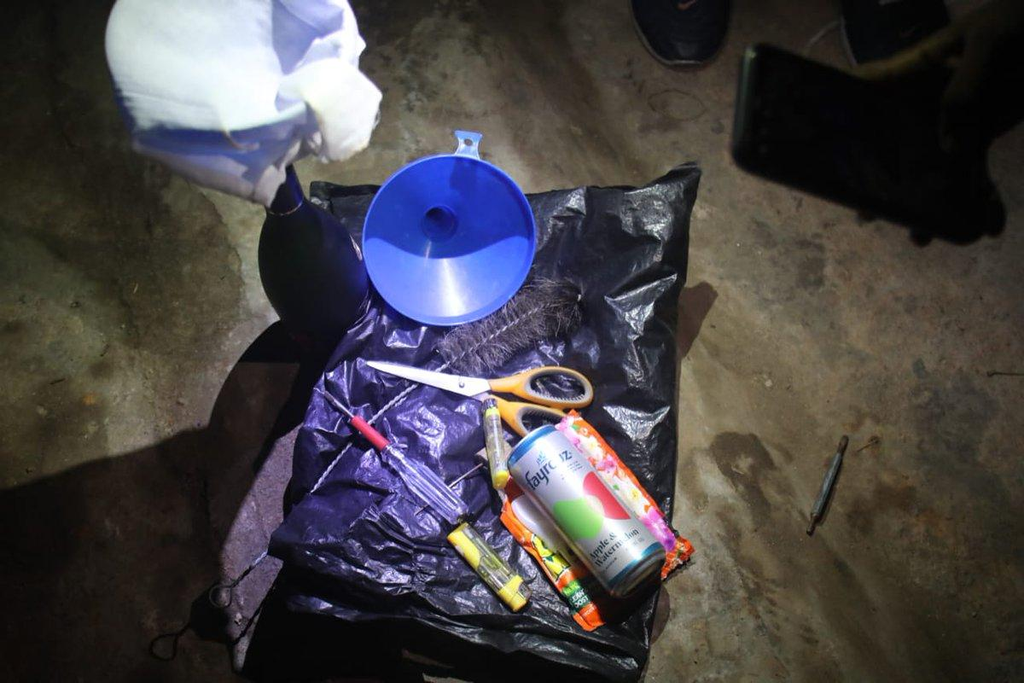
On 7 November, a multi-agency security team raided an illegal alcohol manufacturing site along the Ndarugo River in Juja, Kiambu County, recovering more than 1,000 litres of Kangara, an illicit traditional brew, and approximately 800 kilograms of molasses. Officers also confiscated five boiling drums, 16 fermentation bags, 16 packets of yeast, six packets of urea, five coolant radiators, assorted pipes and other production materials. The operation was led by Kiambu County Police Commander Kennedy Osando Samani following reports of deaths and serious health complications among young people who had consumed illicit drinks. The Juja operation did not result in any reported arrests, as those allegedly involved escaped before officers could apprehend them.
Police said the suspected producers used industrial yeast, urea and molasses in the brewing process. The presence of these materials raises concerns about production conditions and product safety, although the available police statement does not provide laboratory findings confirming the chemical composition of the recovered brew. Authorities said they would extend searches along the river to identify other production sites and locate those responsible.
NAFDAC Raids Oke-Arin Market in Lagos
On 5 November, Nigeria’s National Agency for Food and Drug Administration and Control (NAFDAC) conducted an enforcement operation at Oke-Arin Market on Lagos Island, uncovering alcoholic beverages packaged in sachets and PET bottles below 200 millilitres. The products were concealed inside shops despite restrictions on the production, importation, distribution and sale of alcohol in those formats. Officers also discovered unregistered food and beverage products and alcoholic drinks suspected to be counterfeit. The products were evacuated to prevent their circulation. The Lagos operation adds another market-level intervention to the agency’s recent enforcement campaign.
The discovery is significant because it shows that prohibited small-format drinks remain available through retail channels despite previous seizures and regulatory warnings. However, the presence of suspected counterfeit products does not establish that all the recovered alcoholic beverages were fake or adulterated. NAFDAC has not publicly disclosed the total quantity or value of the latest seizure, nor confirmed arrests arising from the operation.
Kenya’s Former NACADA Chairman Questions Enforcement Strategy
On 4 November, former National Authority for the Campaign Against Alcohol and Drug Abuse (NACADA) chairman John Mututho criticised the government’s approach to counterfeit alcohol, arguing that repeated raids and seizures would achieve little without stronger product-quality regulations. Speaking during an interview on Spice FM, Mututho said critical provisions of Kenya’s Alcoholic Drinks Control Act, 2010, remained unimplemented.
He argued that consumers need reliable ways to authenticate alcoholic products and called for matching security features across bottles, caps and Kenya Revenue Authority excise stamps. He also questioned the reliance on excise stamps as proof of authenticity, explaining that payment of duty does not establish the chemical safety of the drink inside a bottle. Mututho’s intervention brings the regulatory debate back to product verification, testing and prosecution.

His criticism also raises questions about the handling of seized products. Mututho argued that authorities should preserve samples for laboratory testing and use the findings as evidence in court proceedings rather than simply destroying confiscated drinks. His position highlights an important gap between enforcement activity and the evidence required to dismantle organised counterfeit networks.
The Week at a Glance
| Location | Date | Classification | Evidence status |
|---|---|---|---|
| Juja, Kenya | 7 November | Illegal traditional brew | Over 1,000 litres seized; production equipment recovered; no arrests reported |
| Oke-Arin, Lagos, Nigeria | 5 November | Prohibited small-format alcohol and suspected counterfeits | NAFDAC raid; products evacuated; quantity and value undisclosed |
| Kenya, nationwide | 4 November | Regulatory and authentication concerns | Former NACADA chairman’s criticism; proposed safeguards require government action |
Open Questions
In Juja, investigators must identify the escaped operators, establish where the recovered brew was distributed and determine whether laboratory testing will confirm the suspected safety risks. In Lagos, NAFDAC needs to disclose the quantity of prohibited drinks recovered, establish the status of the suspected counterfeit products and identify the suppliers behind their distribution. In Kenya, the outstanding question is whether the government will address the product-quality and authentication regulations Mututho says remain incomplete.
This week’s developments show that raids can interrupt production and remove prohibited products from circulation, but they do not automatically dismantle the networks behind them. The next evidence of progress will come through laboratory results, arrests, prosecutions and stronger systems for verifying what consumers are buying.
From the archives: Read previous editions of AFRICA ILLICIT BEVERAGE WATCH.