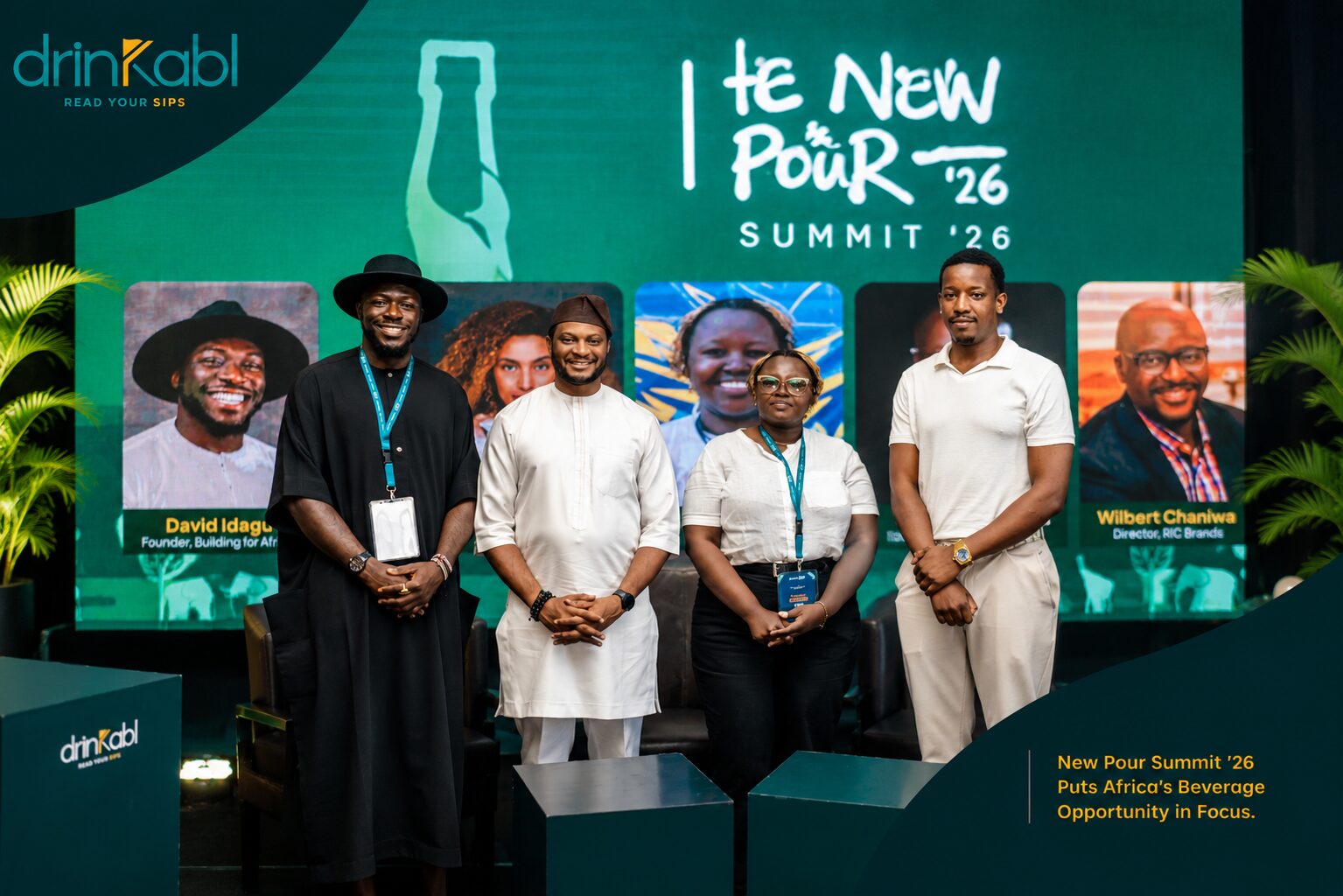

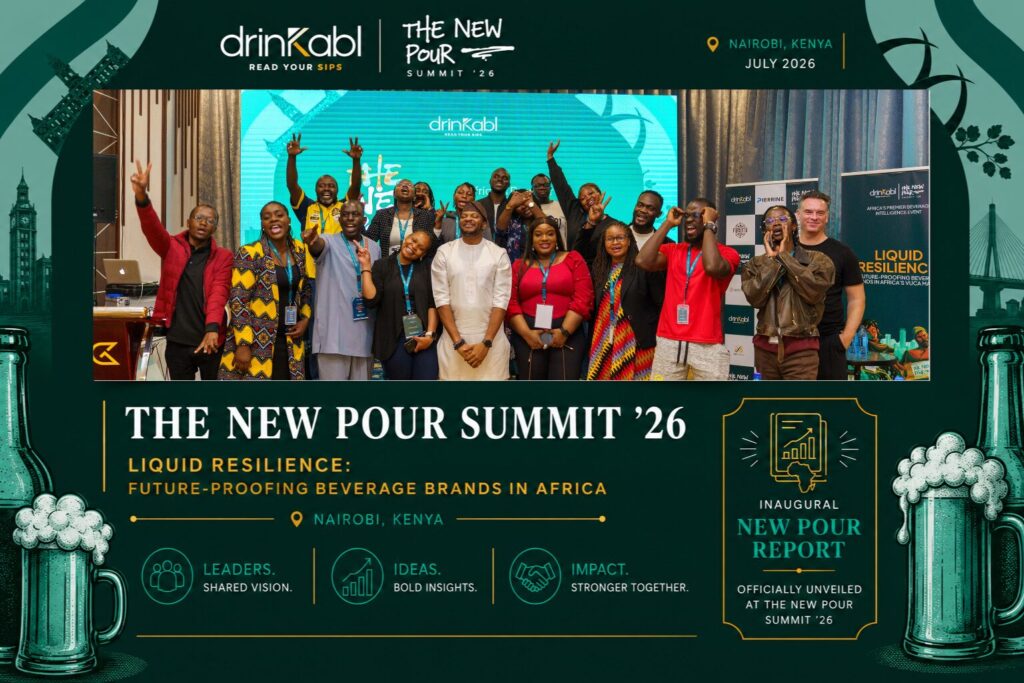
The Nairobi gathering brought beverage leaders, strategists, investors and creatives together as Drinkabl Africa unveiled its maiden New Pour Report, making the case that global beverage growth is increasingly shifting towards Africa.
Drinkabl Africa unveiled its maiden New Pour Report at The New Pour Summit ’26, held July 25 at Golden Tulip Westlands in Nairobi and online, arguing that global beverage growth is shifting toward Africa even as operators struggle to build the brands and distribution systems needed to capture it.
The report, titled Why Money in Beverages Is Flowing South, draws on more than 15 independent market intelligence sources. It points to Africa’s alcoholic drinks market reaching a projected $130.8 billion by 2029 at 7.35% annual growth, alongside Ethiopia’s $3 billion in 2025/26 coffee exports and Kenya’s roughly $1.44 billion tea industry.
Global capital is already moving on those numbers. The report cites Asahi Group Holdings’ $2.3 billion acquisition of Diageo’s stake in East African Breweries alongside Coca-Cola HBC’s $2.6 billion deal for a controlling stake in Coca-Cola Beverages Africa, roughly $4.9 billion combined in major bets on African beverage assets.
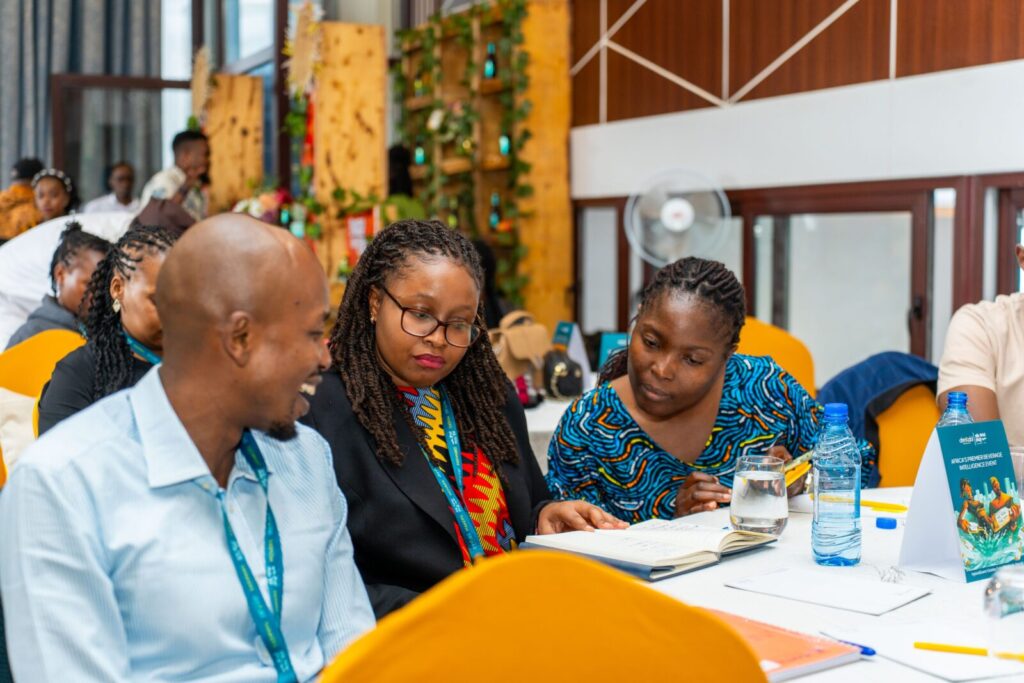
Held under the theme “Liquid Resilience: Future-Proofing Beverage Brands in Africa’s VUCA Markets,” the summit brought together executives, founders, strategists, researchers, investors and creatives from across the continent. Sessions covered brand building, real-time market intelligence, route-to-market in informal economies, product innovation, investment, consumer culture and advertising. Speakers included Walter Serem, Feyi Olubodun, Mac Mabidilala, Effie Thiong’o, Kanessa Muluneh, Franklin Ozekhome, Mark Pollard and Sabina Manu.
The report frames the continent as 54 distinct consumer conversations, shaped by differences in culture, purchasing power, regulation and infrastructure. Winning in Lagos does not automatically provide a blueprint for Nairobi, Accra or Johannesburg. Among ten trends reshaping the industry, it identifies the sobriety boom, RTDs and premiumisation as most significant, alongside local flavours, cider, demographics, inflation and sustainability.

Structural challenges temper the growth story. Illicit alcohol is estimated to account for as much as 60% of consumption in Kenya, while South Africa’s illicit alcohol market is valued at R25.1 billion, about 18% of sales. That tension helps explain the summit’s focus on resilience rather than growth alone.
The report recommends diversified portfolios capable of capturing premiumisation and health-conscious consumption simultaneously, deeper local storytelling, market-specific strategies and closer attention to illicit competition and pricing.
For Drinkabl Africa, Nairobi was less an endpoint than the start of a wider industry conversation, with The New Pour Summit ’27 already on the horizon. The more consequential question by then won’t be how much global capital has flowed into Africa’s beverage industry, but how much of the value created by that growth African businesses have managed to capture.
Read More