By Victor Owencho
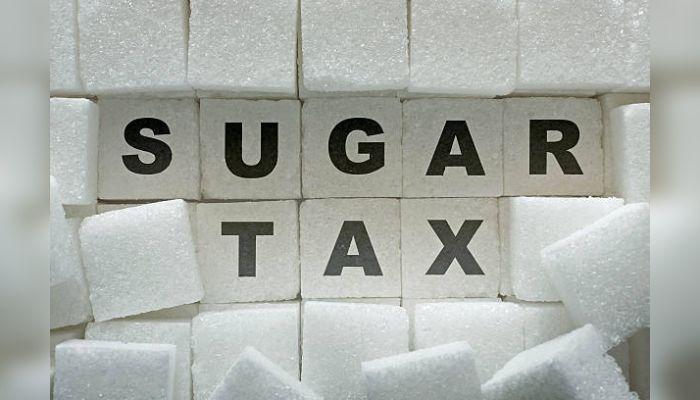
The Centre for the Promotion of Private Enterprise has called on the government to reject proposals for additional taxes on sugar-sweetened beverages, warning that such measures could damage Nigeria’s manufacturing sector and cost jobs.
Dr Muda Yusuf, Chief Executive Officer of CPPE, issued the warning in a statement on Wednesday, describing recent calls for sugar taxation as misplaced and economically risky. Yusuf argued that sugar taxes deliver limited benefits unless combined with broader lifestyle interventions. The organization identified poor diet quality, physical inactivity, sedentary lifestyles, urban design, and genetic factors as the primary drivers of diabetes and related diseases in Nigeria.
“While taxation may marginally influence consumption patterns, it does not address these root causes,” Yusuf said, warning that the economic costs of additional taxes would be immediate, tangible, and potentially severe.
CPPE emphasized that the food and beverage sector contributes approximately 40 per cent of Nigeria’s total manufacturing output, according to National Bureau of Statistics data. The sector supports an extensive value chain including farmers, processors, packaging companies, logistics providers, and retailers. The organization warned that policies undermining the sector could trigger job losses, reduced household incomes, and setbacks to poverty reduction efforts.
Beverage manufacturers currently face multiple tax obligations, including 30 per cent Company Income Tax, 7.5 per cent Value Added Tax, a N10 per litre excise duty, a four per cent National Development Levy, a four per cent FOB levy on imported inputs, import duties of five to 15 per cent on raw materials, and various other levies. These burdens are compounded by high energy and logistics costs, exchange rate volatility, and elevated interest rates. Retail prices of many non-alcoholic beverages have risen by about 50 per cent in the past two years without any new tax measures, according to CPPE.
Instead of additional taxation, CPPE urged the government to adopt alternative measures, including lifestyle and nutrition education programs, community-based health awareness campaigns, promotion of physical activity and exercise, encouragement of fruit and vegetable consumption, healthy food subsidies, and urban planning that supports walking and cycling.
“These measures directly address the underlying drivers of diabetes and cardiovascular diseases, deliver broader social benefits, and avoid undermining a critical pillar of Nigeria’s manufacturing and employment base,” Yusuf said.
The organization concluded that Nigeria’s economy remains in a delicate recovery phase, and introducing sugar-specific taxes could reverse industrial gains and weaken employment. CPPE called for balanced, holistic policymaking that recognizes public health goals and economic growth are not mutually exclusive.