With innovation in the beverage industry fueling the development of new products to meet the ever-increasing demand for healthier drink alternatives, the discovery of kava may have heralded a much-anticipated alternative to alcohol, or not.
A plant-derived drink increasingly marketed as a healthy, non-alcoholic alternative to alcohol is sending more Americans to poison centres, according to new research published in the Centres for Disease Control and Prevention’s Morbidity and Mortality Weekly Report.
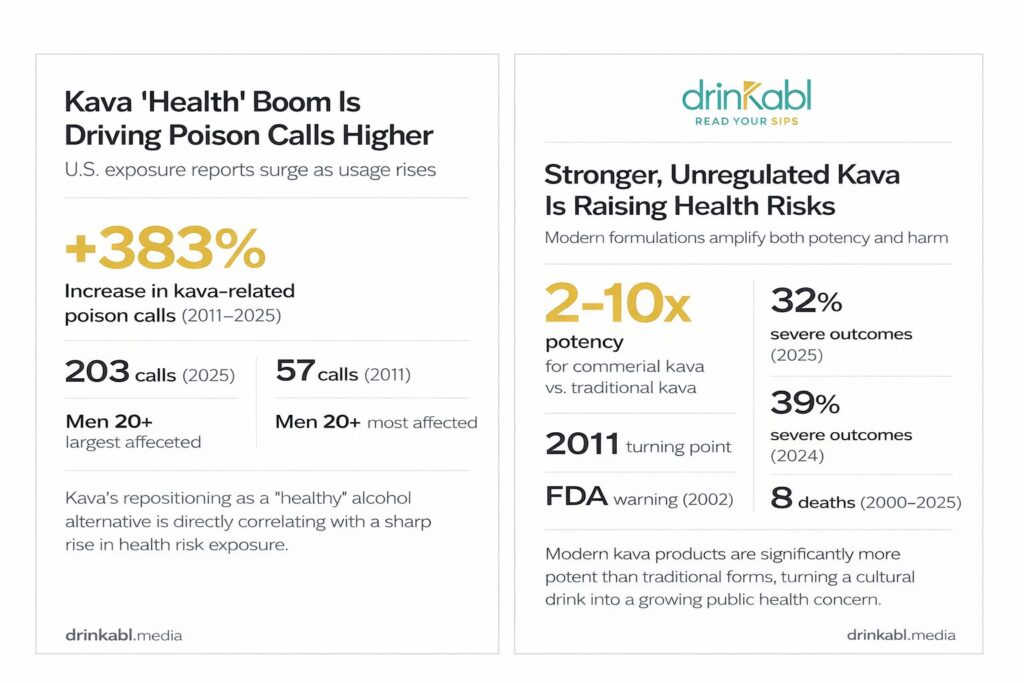
Calls to poison centres about kava rose 383 percent between 2011 and 2025, according to a new UVA Health study. Poison centres received 203 kava-related calls in 2025, up from 57 in 2011, with men ages 20 and older accounting for the largest number of calls.
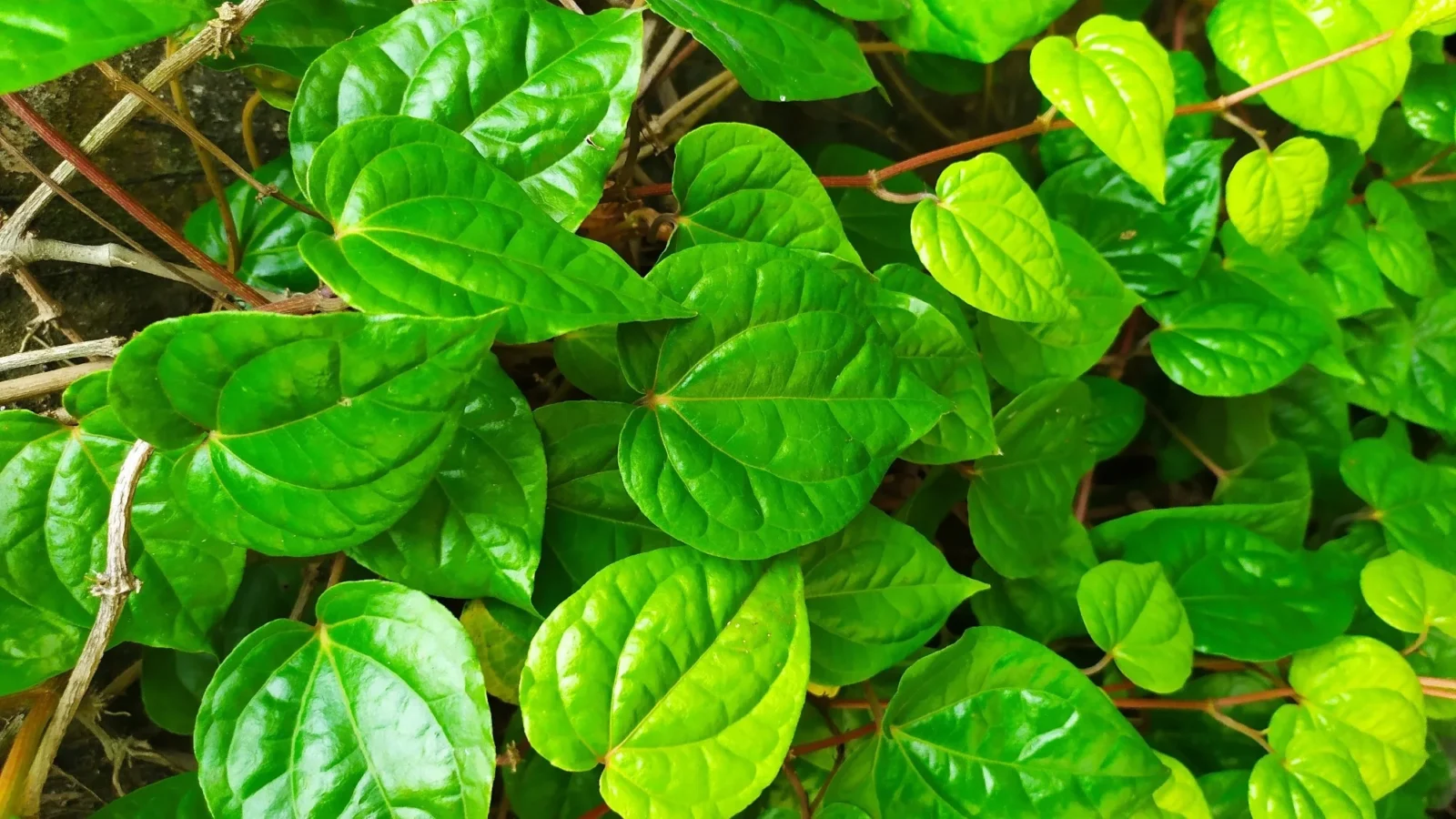
Kava is far from a new substance. Known scientifically as Piper methysticum which is Latin for “intoxicating pepper”. It is a plant native to the Pacific Islands, where its name means “bitter” in Tongan and Marquesan. Most historians agree that kava was first cultivated in Vanuatu approximately 3,000 years ago, from where it spread across Polynesia, Fiji, and Micronesia carried by early seafaring island explorers. For many centuries, Pacific Island societies consumed kava beverages for social, ceremonial, and medical purposes, traditionally prepared by chewing or pounding the rootstock and soaking the pulp in water before straining it to drink.
The plant’s active compounds, called kavalactones, are what give kava its appeal and its risks. Kavalactones exhibit sedative, analgesic, anticonvulsant, and muscle-relaxant effects. In traditional settings, these effects were mild and well understood. The problem, researchers say, lies in how kava is being sold in the United States today.
Since the 1990s, kava drinks, pills and extracts have become increasingly available in the United States. These commercial kava products are unregulated and are anywhere from two to 10 times more potent than traditional kava beverages, increasing the risk for health issues such as rapid heartbeat, vomiting and nausea. There have also been a few reports of liver injury.
The research was led by Rita Farah, an assistant professor of emergency medicine at the University of Virginia School of Medicine, through UVA’s Blue Ridge Poison Center. The steady increase in kava-related calls since 2011 followed a decade-long decline from 2001 to 2011. Kava-related calls to poison centres dropped from 331 in 2001 to 42 in 2010 before beginning to rise again in 2011. That earlier decline came after the FDA issued a public warning in 2002 linking kava to severe liver injury, a warning whose effects have clearly worn off as a new generation of products floods the market.
Eight kava-related deaths were reported between 2000 and 2025. As calls have increased in recent years, so have serious health outcomes. In 2025, 32 percent of exposures involved severe health outcomes such as adverse neurological and cardiovascular effects, topped only by 39 percent in 2024.
Further Reading
- When Will Enough Finally be Enough on Counterfeit Drinks In Nigeria?
- Sipping Toward Wellness: How the Beverage Sector Is Reinventing Women’s Health
- Beet Juice Beats Blood Pressure, New Science Explains Why It Works Better as You Age
- Which Is Better Between Green Tea and Coffee? Science Has a Verdict
- Is Your Smoothie Actually Healthier Cooked? New Science Is Rewriting the Rules on Pasteurisation
- What Decades of Research Now Tell Us About Drinking Water First
- The Thirst Crisis That Could Break the Beverage Industry