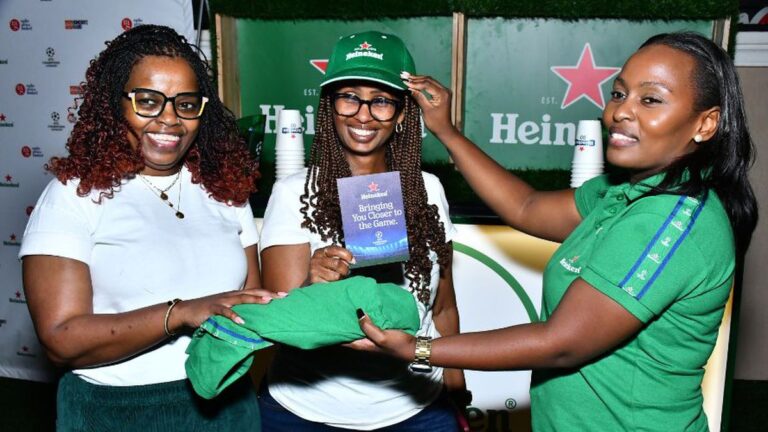
Forty years after acquiring majority control of the DRC’s largest brewer, Heineken has sold the business outright, the latest move reshaping how global drinks multinationals operate across the continent.
Heineken has completed the sale of its full shareholding in Brasseries, Limonaderies et Malteries (Bralima), its operating company in the Democratic Republic of Congo, to ELNA Holdings Ltd. The Mauritius-based company brings established experience across the DRC and Africa in the industrial and logistics sectors, and will assume full responsibility for Bralima’s operations, covering production, distribution, employees and engagement with local stakeholders.
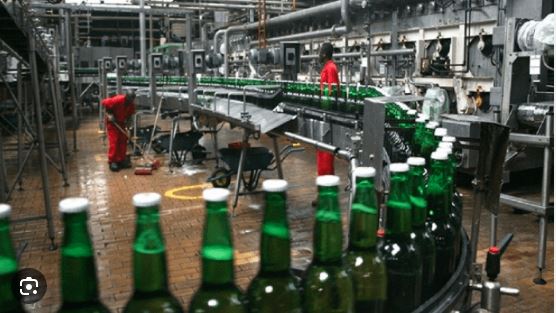
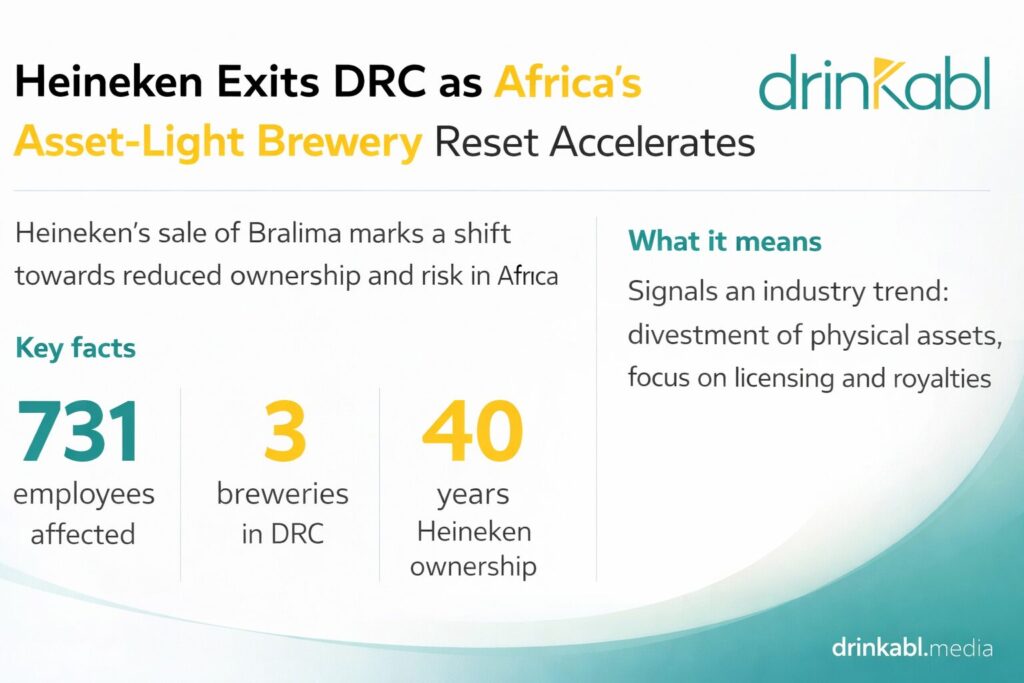
Founded in 1923, Bralima has been majority-owned by Heineken since 1986, a relationship spanning nearly four decades. The business operates three breweries in Kinshasa, Kisangani and Lubumbashi and employs approximately 731 people. Financial terms of the transaction were not disclosed.
Heineken will not disappear from Congolese shelves. The group retains ownership of its global and regional brands and will remain present in the DRC through long-term trademark licensing agreements, ensuring the continued brewing, marketing and distribution of Heineken, Primus, Turbo King, Legend and Mützig.
“Bralima has a long and proud history in the Democratic Republic of Congo, built on the strength of its people and a portfolio of leading brands. This step allows the business to continue under a locally anchored model, while ensuring that our brands remain available to consumers across the country. It also reflects our move towards a more asset-light approach in selected markets.”
Guillaume Duverdier, President, Africa & Middle East Region, Heineken
The deal is the second DRC divestment Heineken has executed in quick succession. In November 2025, the brewer transferred its Bukavu brewery in eastern DRC for €1 to Synergy Ventures Holdings Ltd, after M23 rebel forces seized territory in the region earlier that year, causing Heineken to lose operational control of the facility in June. That exit was driven by humanitarian considerations, with Heineken continuing to pay all Bukavu employees in full throughout the disruption. Crucially, Heineken retained a buyback option on the Bukavu facility, exercisable three years after the sale, should conditions stabilise enough to support a viable return.
The Bukavu exit was defensive. The Bralima sale is strategic.
The Diageo Blueprint
Heineken’s pivot mirrors a template that Diageo has been executing methodically across Africa for the past four years. In January 2022, Diageo sold its Meta Abo brewery in Ethiopia to BGI, part of the Castel Group, followed in July 2022 by the $460 million sale of Guinness Cameroon, also to Castel. In September 2024, Diageo completed the transfer of its 58.02% shareholding in Guinness Nigeria to Tolaram, a Singapore-based conglomerate with deep African consumer goods roots, under long-term licence and royalty agreements. In January 2025, Diageo sold its 80.4% stake in Guinness Ghana Breweries to Castel for $81 million.
Most significantly, in December 2025, Diageo agreed to sell its entire 65% stake in East African Breweries Limited and its 53.68% holding in Kenyan spirits business UDV Kenya to Japan’s Asahi Group Holdings in a deal worth $2.3 billion, net of tax and transaction costs. Subject to regulatory approvals across Kenya, Uganda and Tanzania, closing is expected in the second half of 2026.
The pattern across both Diageo and Heineken is identical: transfer physical infrastructure and operational complexity to locally anchored or regionally experienced operators, retain brand ownership, and collect licensing and royalty income with a fraction of the capital exposure.
The Logic, and the Risk
The commercial case is straightforward. African brewing markets offer compelling long-term volume growth, driven by rising urban populations, a young consumer base and expanding middle classes, but they also carry outsized operational risk. Currency volatility, infrastructure gaps, political instability and supply chain fragility eat into margins and demand disproportionate management attention.
For Heineken, whose EverGreen 2030 strategy explicitly targets a leaner operating footprint, the DRC represented both extremes simultaneously: strong brand equity and deeply challenging operating conditions.
As the major multinationals retreat from direct operations, regional holding companies, many registered in Mauritius, as is the case with both ELNA Holdings and Synergy Ventures, are stepping in as custodians of some of Africa’s most iconic beer brands. Whether these operators have the capital depth, distribution infrastructure and brand discipline to sustain and grow what they are acquiring will ultimately determine whether this wave of divestments serves African consumers and employees, or simply tidies up the balance sheets of the companies walking away.
Further Reading
These Are the 20 Nigerian Beverage Companies to Watch in 2026
Data Story: Brewery Firms With the Highest Revenue Generated in H1 2024