
As Nigeria’s oldest brewer marks 80 years and posts its biggest profit rebound in recent memory, its CEO says the real work, winning back a squeezed consumer, is just beginning.
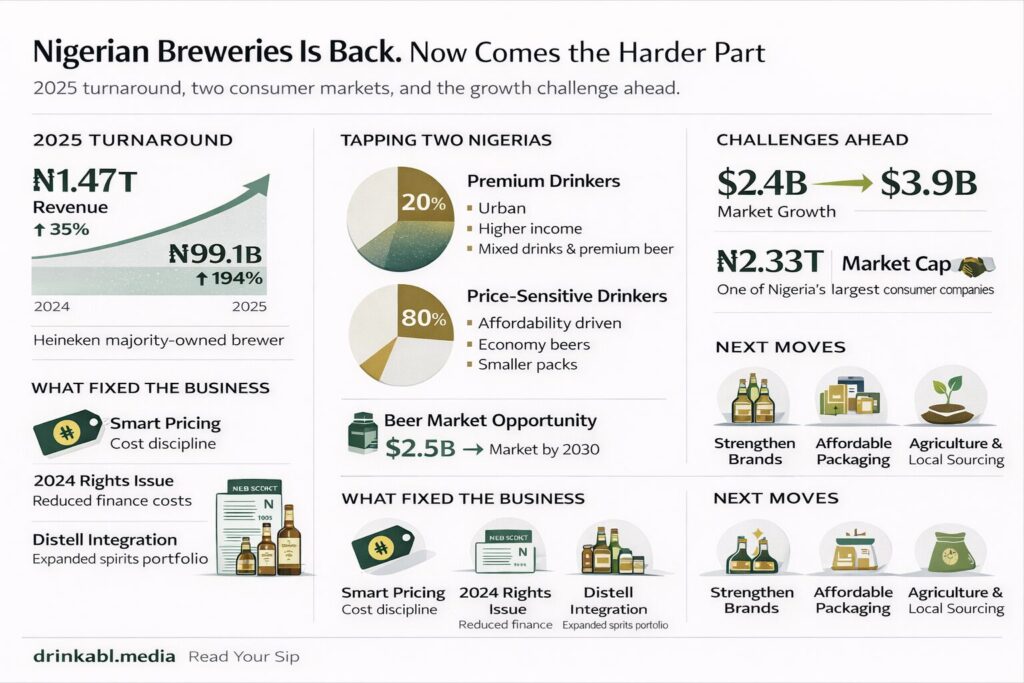
Nigerian Breweries has swung back to profitable ways in 2025, posting a net income of ₦99.1 billion for the year ended December 31, a dramatic reversal from a ₦144.8 billion loss the prior year. Revenue climbed 35% to ₦1.467 trillion, while operating profit surged 194% to ₦205.1 billion. The turnaround crowns a milestone year for the Heineken-majority-owned brewer, which turned 80 in 2025, but its Managing Director and CEO, Thibaut Boidin, is already looking past the celebrations.
“2025 was a turnaround year, but we are still in recovery,” Boidin said. “Retained earnings are still negative, so we’re not paying dividends yet. There is still work to do.”
Three things powered the recovery: organisational alignment, smart pricing and revenue margin management, and rigorous cost discipline, with savings reinvested behind the right priorities. A successful 2024 rights issue also sharply reduced net finance costs by 83%, helping tip the company from deep loss into profit. The company also completed the full acquisition and integration of Distell Wines and Spirits Nigeria in 2025, a move that expanded its portfolio beyond beer into wines, spirits, and flavoured beverages. As at December 31, 2025, Nigerian Breweries held a market capitalisation of approximately ₦2.33 trillion, cementing its place among Nigeria’s largest consumer goods companies.
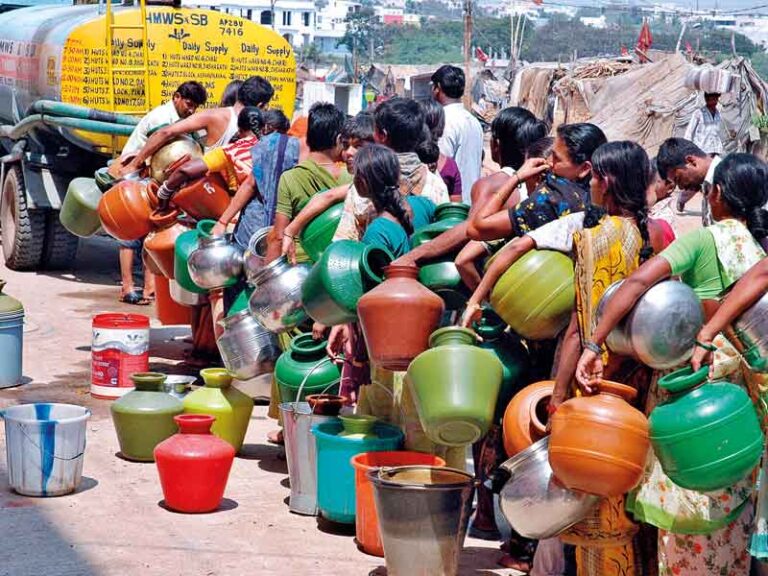
But the celebration is tempered by a more structural reckoning with the Nigerian consumer. When Nigerian Breweries’ then-CEO explained a ₦106 billion loss to investors in early 2024, the line that landed hardest was simple: consumers were no longer able to afford a cold beer after a hard day’s work. What followed was a market-wide migration downward to economy brands, cheaper bitters, and budget lagers.
Boidin frames this tension as the defining challenge of his leadership. He sees two Nigerias in the bottle aisle: a premium-leaning 20% who track global trends toward mixology and lifestyle drinking, and an 80% majority for whom affordability is everything.
“Our responsibility is to ensure the right value propositions so they can still enjoy our brands.”
This bifurcation is reshaping the entire Nigerian beer market, projected to grow from $2.4 billion in 2025 to $3.9 billion by 2030, but only if brewers can simultaneously serve price-sensitive consumers and aspirational urban drinkers. Economy lager has remained the most resilient category in recent years, yet a sizeable niche of consumers still prioritise quality, and companies are increasingly expected to emphasise smaller, mid-sized packaging to maintain affordability across income groups.
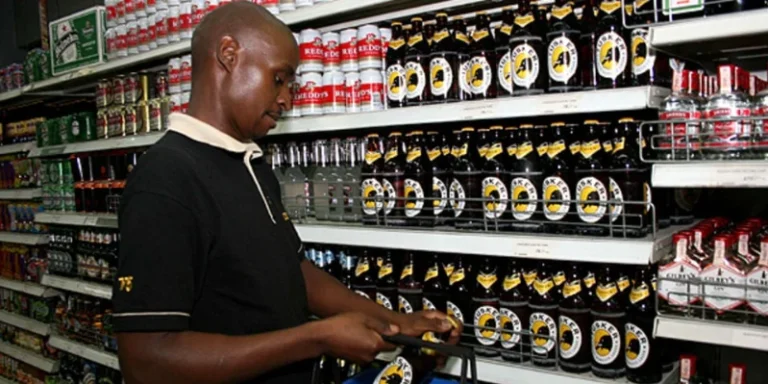
On innovation, Boidin is measured. Rather than chasing new product launches, he wants deeper execution of what already exists, pointing to Desperados as a brand cutting through with Gen Z consumers. The newly integrated Distell portfolio, which adds Amarula, Bain’s Whisky, Scottish Leader, 4th Street wines, and Chamdor to the company’s offering, gives Nigerian Breweries a wider net to cast across an increasingly fragmented drinks landscape.
“Innovation is not necessarily about launching many new products. The real question is execution, understanding consumers deeply and delivering the right solutions.”
The company is also aligning its long-term vision with parent company Heineken’s EverGreen 2030 strategy, which targets mid-single-digit organic net revenue growth, a €2 billion productivity programme, and net-zero carbon commitments by 2030.
On AI, Boidin is cautious but active. The company is adopting a test-and-learn approach, deploying targeted digital and technology applications internally, but he warned that AI “can absorb significant capital with limited return if not carefully prioritised.” The company has also backed its sustainability commitments with over ₦2.5 billion in renewable energy investments, including biomass, solar, and energy-efficiency projects, all tied to a net-zero target by 2030.
Beyond the balance sheet, community investment runs deep. The Maltina Teacher of the Year programme, now over a decade old, and active local agricultural sourcing, including sorghum and a push into domestic barley production, are, in Boidin’s view, not charity but foundational strategy.
“Education builds human capital. Human capital builds nations. And strong nations build strong businesses.”
With Nigeria on course to become the world’s third most populous country by 2050, Boidin’s optimism is as demographic as it is financial. The biggest celebration, he says, would be a return to volume growth. That milestone is still ahead.
Further reading: Africa’s Drinks Industry Has a Sober Problem — and a Bigger Opportunity | Nigerian Beverage Plants Are Haemorrhaging Money on Energy | The Rise of Economy Lager in Nigeria