From orchard to bottle, a fruit surplus is reshaping juice and cider supply chains across 105 countries, and port chaos isn’t stopping it.
South Africa is growing more apples and pears than ever before. And for the global beverage industry, from juice processors to cider brewers, that is very good news, and a supply story worth watching closely.
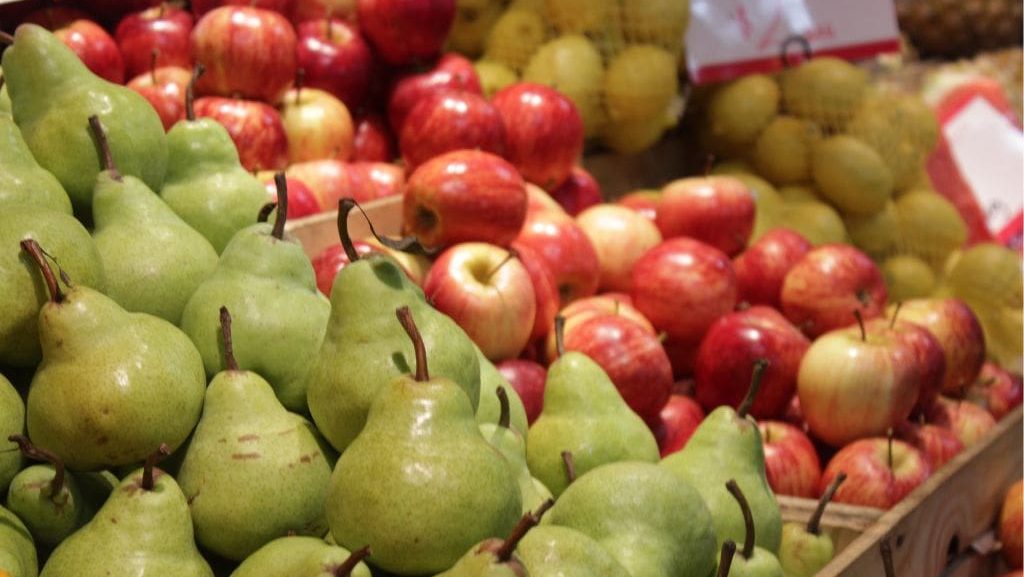
The 2026 South African apple export season is projected to reach 52.2 million cartons, a five percent increase over 2025’s record high of 49.6 million cartons, driven by young orchards reaching full production potential and improved orchard performance. Behind those cartons lies a quiet ingredient revolution feeding both the fresh produce aisle and, increasingly, the drinks shelf.
The engine behind the surge is a dramatic rethink of how South African orchards operate. Calla du Toit, Procurement Director at leading exporter Tru-Cape Fruit Marketing and a grower since 1997, has watched the transformation unfold firsthand.
“When you work with large supermarket programmes, the supply chain has to function perfectly. Once fruit is packed with a sell-by date, every hour matters.”
Precision irrigation, new rootstocks, and high-density plantings have pushed some orchards from 40 to 50 tonnes per hectare to well over 100, a doubling of output that sends a ripple far beyond the fresh produce aisle. For juice manufacturers and cider producers, consistent and surplus fruit supply is the foundation everything else is built on.
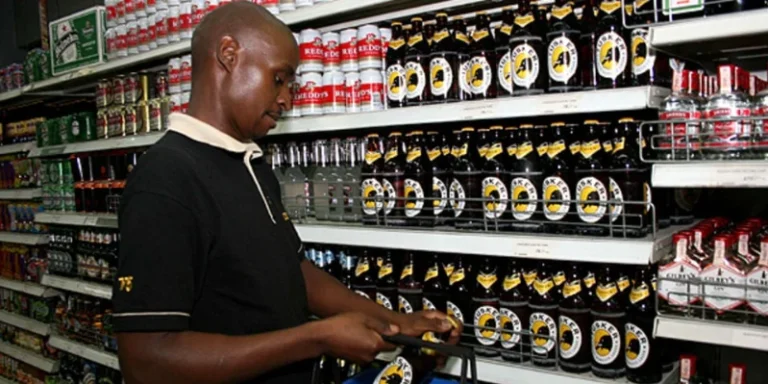
That foundation is increasingly sturdy. South Africa’s cider market is forecast to grow at more than 6.37% CAGR from 2026 to 2031, with regions such as Elgin and Ceres, known for high-quality apples, anchoring local production. Savanna Dry, introduced by Distell in 1996, is made from 100% crushed Elgin Valley apples and is now sold in over 60 countries, making it the largest cider brand in the world by volume. Hunter’s Gold, launched in 1988, draws from the same Western Cape orchards. Now a new wave of craft producers is following suit, with cideries such as Windermere and Everson’s, both from the Elgin valley, expanding the craft cider segment alongside the dominant brands.
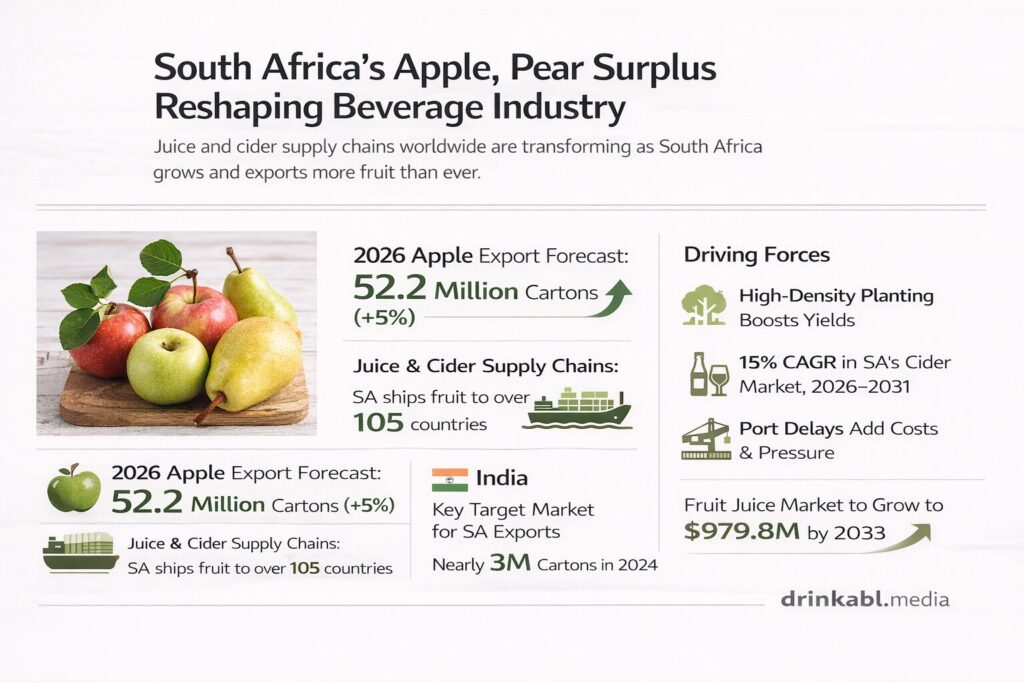
South Africa’s broader fruit juice market reached $715.8 million in 2024 and is expected to climb to $979.8 million by 2033, at a CAGR of 3.55%, driven by health-conscious consumers shifting away from carbonated drinks toward natural, nutrient-dense beverages. The apple and pear volumes now expanding in the Western Cape underwrite much of that growth.
The market geography for these fruits, and by extension for beverages made from them, has also shifted dramatically. Tru-Cape now ships to more than 105 countries, with India, Vietnam, Thailand, and China among the most dynamic emerging markets. Apple exports to India alone reached nearly 3 million equivalent cartons in 2024, a gain of one million cartons over the previous season, and market access to Thailand was formalised before the end of 2024. For beverage brands sourcing South African concentrates or finished fruit, the competitive landscape for raw materials is widening.
Du Toit is unambiguous about the opportunity:
“Markets such as India, Vietnam, Thailand, and China offer giant potential, and we’ve become much more flexible as an exporting country.”
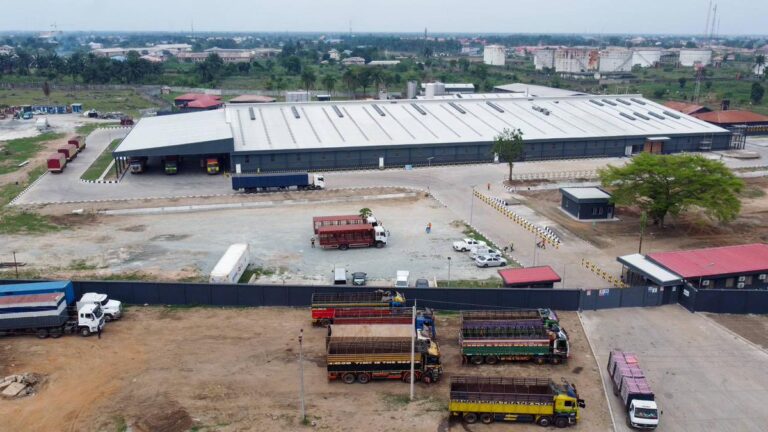
There is, however, a wrinkle. The Port of Cape Town is under pressure from high fruit volumes, wind delays, and operational complexities, a situation expected to continue into the pome fruit season and presenting ongoing challenges for exporters. Producers have been forced to reroute containers through Durban and Port Elizabeth, adding significant cost to every shipment. As Du Toit puts it plainly:
“That comes at a cost, and ultimately the grower has to carry that cost.”
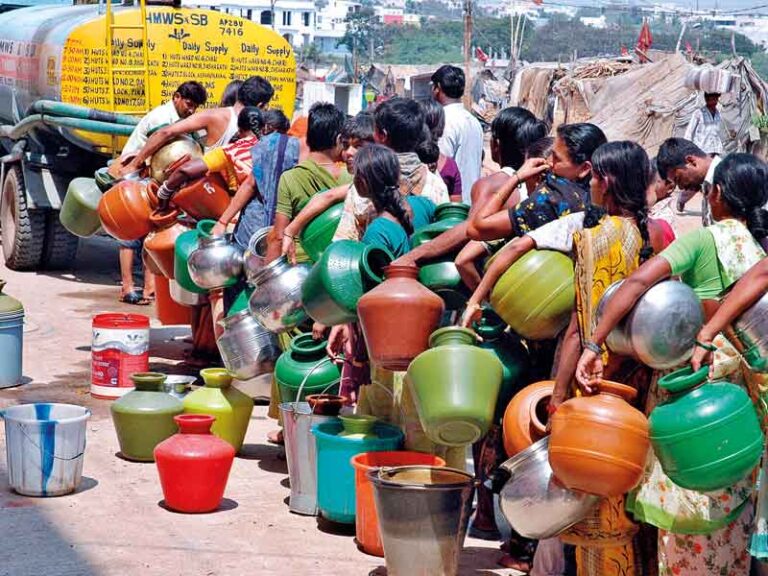
For beverage companies buying South African apple juice concentrate or cider feedstock, this translates into price pressure that does not disappear at the orchard gate. It is an infrastructure story the global drinks industry is tracking carefully, particularly as water scarcity pressures already complicate fruit production across Southern Africa, a crisis explored in depth by this publication.
Yet the sector keeps growing, buoyed by deeper collaboration between growers and commercial partners. Du Toit remains bullish: “I firmly believe that for South Africa, the best is yet to come. We are going through a phase where we need to resolve several issues, but the foundations of our industry are strong, and the opportunities ahead are significant.”
New talent is also flowing in. “There has been an enormous amount of varietal development, and we have a lot of young, capable people bringing fresh energy to the sector,” Du Toit said, a human capital story as important to the beverage supply chain as any infrastructure fix.
With Royal Gala volumes projected to grow 12%, Pink Lady exports up a further 5%, and Fuji apple exports anticipated to surge 11% in 2026, South Africa’s orchards are producing more, reaching further, and, logistics permitting, pouring into glasses across more of the world than ever before.
📖 Further reading on Drinkabl.media: