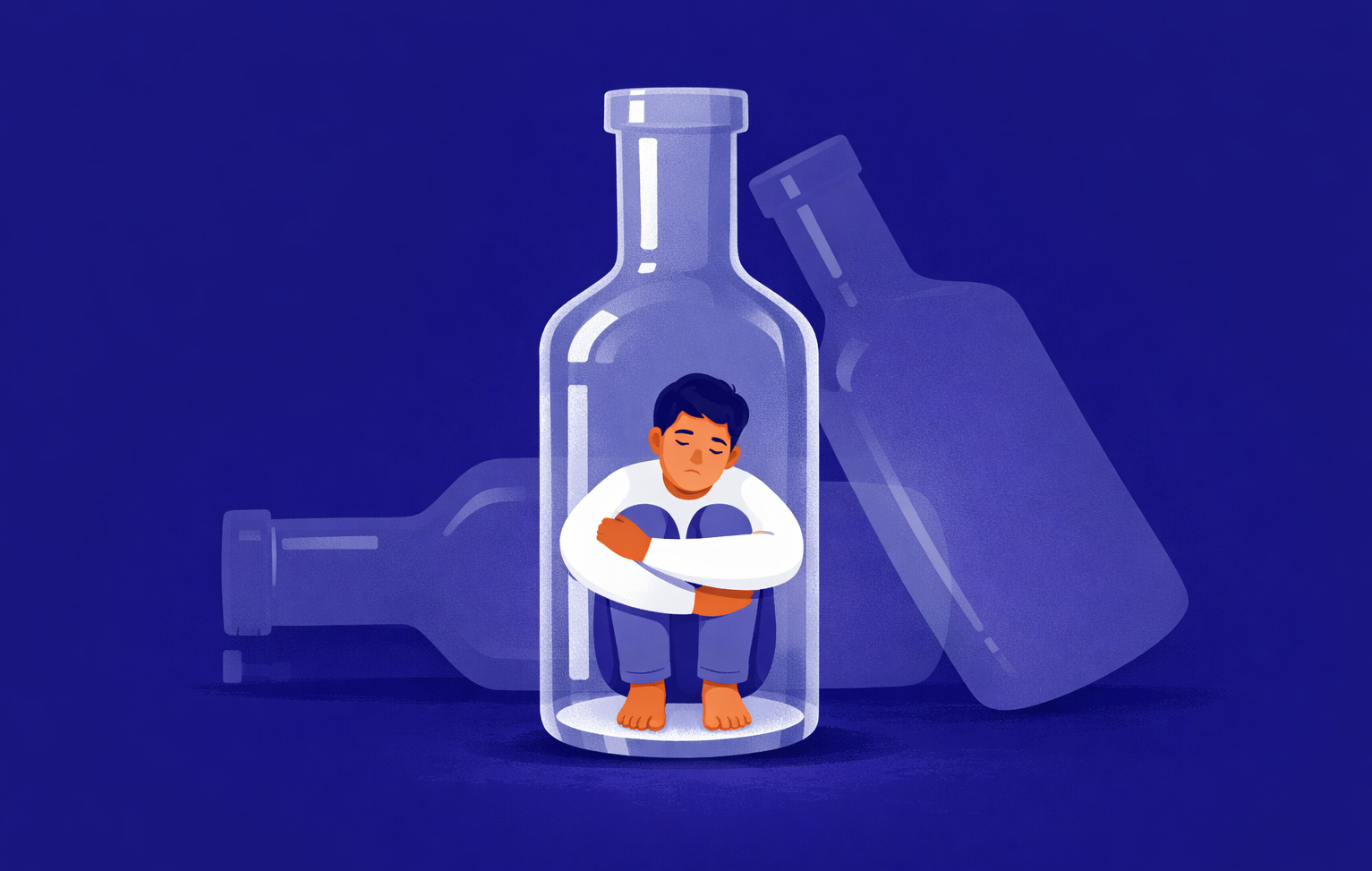
From New Zealand’s Schoolyards to Nigeria’s Street Corners, the global failure to shield children from Alcohol, according to a new research from New Zealand confirms what West Africa’s sachet alcohol crisis already makes visceral…governments are allowing the industry to set the rules, and children are paying the price.
new study from the University of Waikato, published this week in the Journal of the Royal Society of New Zealand, has confirmed what the alcohol industry has spent decades contesting: repeated exposure to alcohol advertising measurably reshapes how children as young as two think about drinking , and pushes the age of first consumption younger. Screened from more than 1,000 studies and backed by four universities, the findings are not easily dismissed.
“Seeing alcohol advertising makes drinking seem like a normal and everyday part of life , near schools and playgrounds, on public transport, at sporting venues, and across digital platforms.”
— Dr Victoria Egli, Lead Researcher, University of Waikato
The Advertising Standards Authority New Zealand’s self-regulatory body, funded and largely governed by the industry is, the researchers argue, structurally incapable of protecting children. The team, funded by the Health Research Council, is calling for mandatory government legislation: a 500-metre advertising exclusion zone around schools, the removal of alcohol ads from public transport, and enforceable digital marketing rules. With 2026 an election year, the political window is open, if any party chooses to step through it.
75% of alcohol advertisements near New Zealand schools are positioned in locations children regularly pass or gather , a 2023 Alcohol Healthwatch finding that makes the case for exclusion zones impossible to ignore.
The Same Child, A Different Package
The New Zealand story has a rawer parallel thousands of kilometres away. Nigeria’s NAFDAC began enforcing a ban on sachet alcohol and bottles under 200ml in January 2026, citing school reports of children concealing cheap, high-strength sachets , some containing up to 90% ABV, from teachers and parents. Where New Zealand’s challenge is the invisible algorithm, Nigeria’s is the three-naira sachet: both are products designed to reach the youngest, least-defended consumers.
“This ban is not punitive; it is protective. We cannot continue to sacrifice the wellbeing of Nigerians for economic gain.”
— Prof. Mojisola Adeyeye, Director-General, NAFDAC
African health bodies from Uganda to Ghana applauded the move , Uganda’s own 2019 sachet ban had cut the share of outlets selling the product from 52% to just 1.4%. But Nigeria’s Federal Government, under industry pressure over claimed job losses exceeding ₦1.9 trillion, suspended enforcement within weeks. NAFDAC has since resumed enforcement under a Senate mandate, yet the policy remains caught in a stop-start cycle that leaves children exposed every time political will wavers. The script , catastrophic job-loss warnings, demands for evidence, legal threats is drawn from the same industry playbook documented by Movendi International across 77 independent studies worldwide.
Protecting children from alcohol cannot be left to industries that profit from their exposure. Whether the tool is a billboard near a school or a sachet sold at a school gate, the mechanism is the same: normalisation, access, early initiation. Both New Zealand and Nigeria now have clear evidence. What both lack and what children in both countries are still waiting for is governments willing to act on it without flinching.
Drinkable Reporting: The Nigeria Sachet Crisis
Drinkable has been tracking Nigeria’s sachet alcohol saga since enforcement began. These reports give the full picture — click through to read each chapter of a story that is still unfolding.
- DrinkableNigeria’s Sachet Alcohol Ban Draws Continental Commendation As FG Freezes ImplementationAfrican nations praised the ban — then the government suspended it. Our report on the reversal that shocked health advocates.
- DrinkableBetween Health and Hardship: Nigerians Clash Over Sachet Alcohol Ban on Social MediaHealth advocates vs economic justice campaigners — the online battle that defined public opinion on the ban.
- DrinkableNLC, Distillers Stage Mass Protest Against NAFDAC’s Sachet Alcohol Ban in LagosStreet demonstrations outside NAFDAC headquarters — what the protests revealed about the ban’s political fault lines.
Stay informed on the latest developments in Nigeria’s beverage industry. Subscribe to our newsletter for exclusive insights and analysis