By Victor Owencho
Millions of jobs hang in the balance as Nigerian beverage workers enter their third day of protests with one unanswered question: Where is the evidence that sachet alcohol is harming children?
Lagos— Nigerian beverage industry workers have escalated their confrontation with the country’s drug regulatory agency, demanding empirical evidence to support claims that sachet alcoholic beverages are fueling underage drinking, as the controversy over a contentious ban intensifies.
Members of the Food, Beverages and Tobacco Senior Staff Association (FOBTOB) and the National Union of Food, Beverages and Tobacco Employees staged protests at the National Agency for Food and Drug Administration and Control’s Lagos office, calling for data-driven policy rather than regulatory assumptions.
“There is no research that shows that the alcohol in the sachet is causing any harm to children,” FOBTOB National President Oyibo Jimoh told The Guardian. “We have our commercials on radio that it shouldn’t be sold to under 18.”
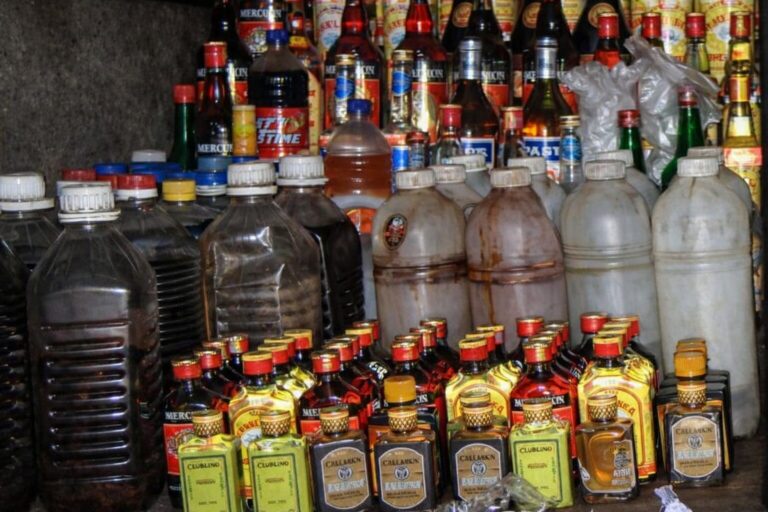
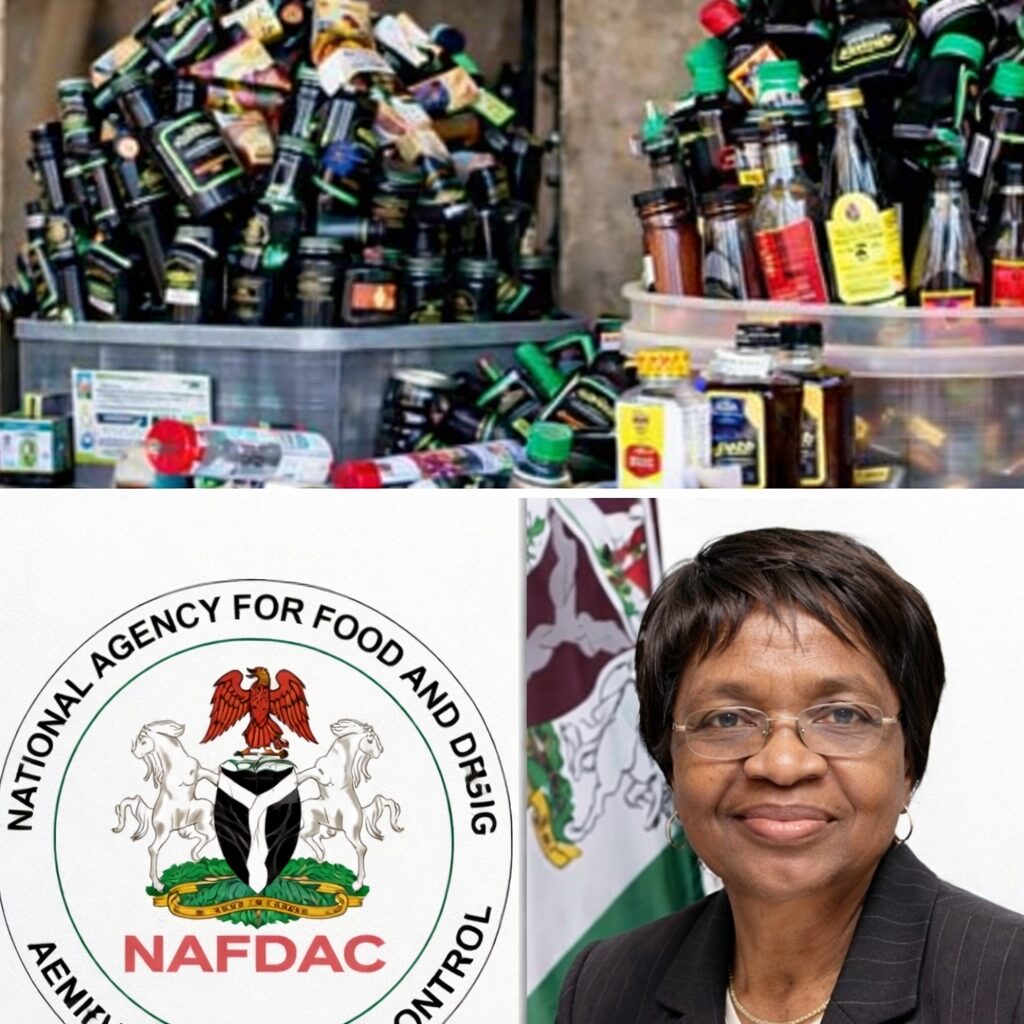
The workers’ challenge comes as NAFDAC moves to enforce a ban on sachet and small-bottle alcoholic beverages, a policy the agency says aims to protect children from early alcohol exposure and reduce misuse risks.
Legislative Confusion Deepens Crisis
The protests have exposed a regulatory impasse within Nigeria’s legislature that has left manufacturers uncertain about compliance requirements. The House of Representatives passed a resolution restraining NAFDAC from the ban after conducting public hearings with stakeholders, yet the Senate subsequently directed the agency to proceed with enforcement.
“We are now confused as to which directive to follow in the face of multiple directives,” said Manufacturers Association of Nigeria Director-General Segun Ajayi-Kadir, highlighting the regulatory uncertainty facing producers.
The House and NAFDAC had previously agreed to lift the ban, citing economic realities and an incomplete transition period. However, the Senate’s contrary resolution has created conflicting mandates for the regulatory agency.
“Show Us More Dangerous Substances Being Regulated”
Union leaders contend that sachet alcohol has been unfairly targeted while more dangerous substances remain widely available with less scrutiny.
“What we see today is the prevalence of substances like codeine syrup, tramadol and other drugs, yet these are not openly sold on the streets the way sachet alcohol is,” Jimoh said, questioning NAFDAC’s enforcement priorities.
The union president also challenged the focus on sachet products when, he argued, imported bottled spirits pose greater public health risks. “We expected that the DG of NAFDAC would take into consideration that a lot of bottled wines and spirits in the markets that are imported into Nigeria are being adulterated. We know and we have evidence to prove that and she herself has gone and sealed a couple of them.”
According to Jimoh, sachet alcoholic drinks are easier to regulate because their manufacturers are known and traceable, unlike counterfeit bottled products. “Sachet alcohol has not been known to be faked. You know the manufacturers. NAFDAC regularly inspects our facilities and laboratories to ensure compliance.”
Economic Fallout vs. Public Health
The dispute carries significant economic implications. Industry representatives warn the ban could worsen unemployment and economic hardship, affecting millions across the supply chain.
“Just yesterday, President Bola Tinubu has gone to Turkey to look for investors to invest in the country but someone is here destroying the local companies,” said FOBTOB Press Secretary Jeffrey Igein, referencing the president’s international investment drive. “The President promised renewed hope and with this that is happening, do we have the hope now?”
The Lagos protests drew counter-demonstrators supporting NAFDAC’s decision, creating competing rallies outside the agency’s office.
Industry Offers Alternative Solutions
Rather than an outright ban, union leaders are proposing collaborative regulation and stricter access controls.
FOBTOB Executive Secretary Solomon Adebosin argued that sachet alcohol actually promotes responsible consumption: “NAFDAC’s argument that sachet alcohol beverages promote accessibility can be counteracted by the fact that they aid moderation.”
“No alcohol beverage company in Nigeria isn’t certified by NAFDAC,” Adebosin added. “They can’t claim the products they certified are no longer good.”
Jimoh acknowledged industry challenges while advocating for partnership rather than prohibition. “Are there problems? Yes, we admit that there are problems. But are there solutions? Yes, there are solutions. And we can tackle it together by collaboration—collaboration with the agency and advocacy. That is the best global practice. We are in support of access control. We are not saying that we don’t want to be regulated. But just don’t do an outright ban because it will do more harm than good.”
The Policy Background
NAFDAC and industry stakeholders previously signed an agreement to phase out sachet and small-bottle alcohol products over a multi-year transition period. The policy aligns with Nigeria’s commitment to a World Health Organization resolution on reducing harmful alcohol use.
However, implementation has been marked by repeated delays and reversals, creating uncertainty for manufacturers who have invested in compliance measures.
As the standoff continues, NAFDAC has not yet publicly released the data on children’s consumption of sachet alcohol that the unions are demanding.
Source: The Guardian Nigeria