U.S. beverage giant sees Africa’s most populous nation as too big to ignore despite reform turbulence
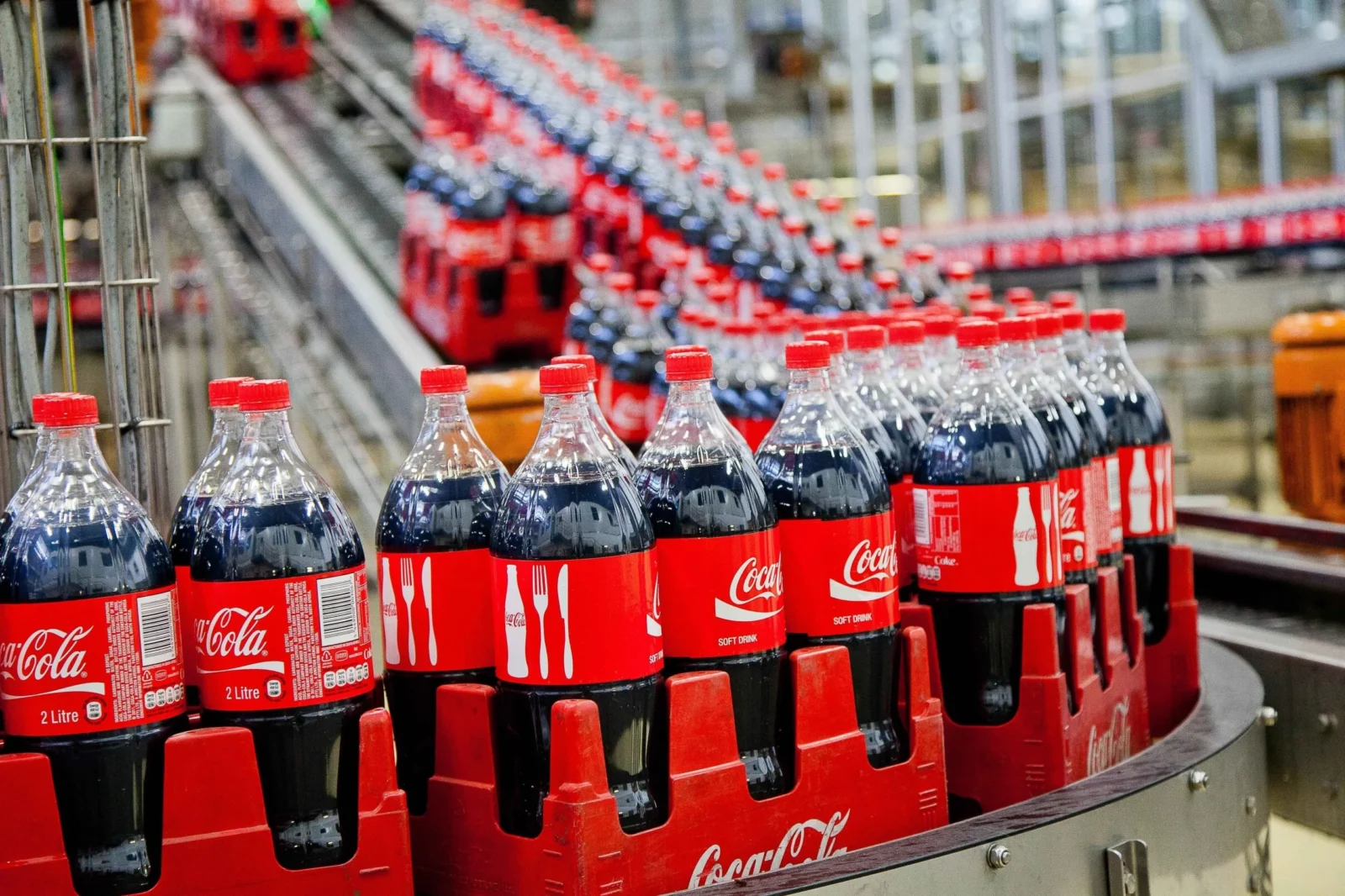
The Coca-Cola Company is pouring an additional $1 billion into Nigeria over the next five years, a landmark investment that signals growing confidence in Africa’s most populous nation even as economic reforms continue to reshape the business landscape.
The commitment, disclosed this week by the U.S. Embassy in Nigeria, marks a dramatic escalation of the Atlanta-based beverage maker’s presence in a market of over 200 million consumers. The investment will fund expanded production capacity, strengthened supply chains, and enhanced workforce training programs across the country.
Why Nigeria, Why Now?
The timing of Coca-Cola’s billion-dollar bet is particularly striking. It comes as Nigeria emerges from what many economists have described as one of its most challenging economic periods, marked by President Bola Ahmed Tinubu’s controversial but necessary reforms since taking office in May 2023.
Tinubu’s administration removed decades-long fuel subsidies and liberalized the foreign exchange market—policies that initially sent shockwaves through the economy but are now showing signs of stabilization. Foreign Direct Investment rose to $720 million in Q3 2025, up from just $90 million in the previous quarter, signaling renewed investor confidence.
“Our investment goes beyond business growth; it’s about contributing to the well-being of the communities we call home. We foresee significant social and economic advancements, which is why we continue to invest in our business operations and community programs in Nigeria.”
— Zoran Bogdanovic, CEO of Coca-Cola Hellenic Bottling Company
“U.S.–Nigeria bilateral trade has been a powerful engine for economic growth, job creation and generational partnerships,” the U.S. Embassy stated. “The Coca-Cola Company, which has invested an impressive $1.5 billion in Nigeria over the last decade, [plans for an additional $1 billion investment] to boost production, strengthen supply chains and enhance workforce training across the nation.”
Beyond Business
What makes Coca-Cola’s investment particularly important is its ripple effect throughout Nigeria’s economy. The company currently employs over 2,800 people across eight production plants, but a Steward Redqueen economic impact study found that for every job Coca-Cola creates directly, an additional 31 jobs are supported across the country through suppliers, distributors, retailers, and recyclers.
This means the company’s operations support tens of thousands of indirect jobs across Nigeria’s vast supply chain, from sugar farmers to truck drivers to small-scale retailers operating micro-distribution centers.
“Our investment goes beyond business growth; it’s about contributing to the well-being of the communities we call home,” said Zoran Bogdanovic, CEO of Coca-Cola Hellenic Bottling Company. “We foresee significant social and economic advancements, which is why we continue to invest in our business operations and community programs in Nigeria.”
Betting on Reform
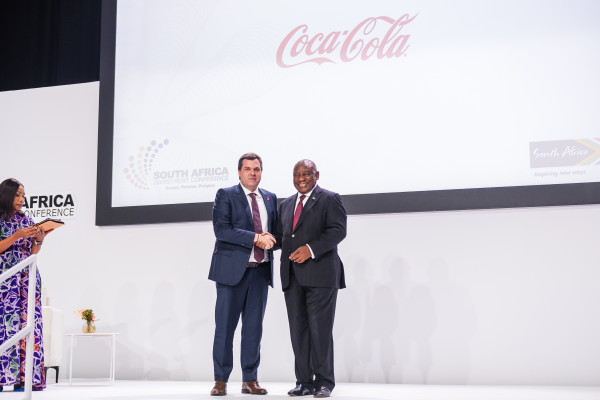
The investment announcement followed high-level meetings between Coca-Cola executives and President Tinubu at the State House. The Coca-Cola delegation included John Murphy, President and CFO of The Coca-Cola Company, along with top executives from the company’s bottling partners.
President Tinubu assured investors of Nigeria’s commitment to creating a business-friendly environment: “We are building a financial system where you can invest, re-invest, and repatriate all your dividends. I have a firm belief in that.”
The reforms, though painful in the short term, appear to be working. Nigeria’s economy grew by 3.84% in 2024, up from 2.9% the previous year, with inflation declining to 20.1% by August 2025 after five consecutive months of decline.
A 75-Year Commitment Deepens
Coca-Cola’s relationship with Nigeria stretches back to 1951, when the Nigerian Bottling Company was first established in the basement of Mainland Hotel, Lagos. Today, the Coca-Cola System—comprising Coca-Cola Nigeria Limited and its authorized bottler—operates a distribution network so extensive that it has partnered with the Bill and Melinda Gates Foundation to deliver vaccines to Nigeria’s most remote areas.
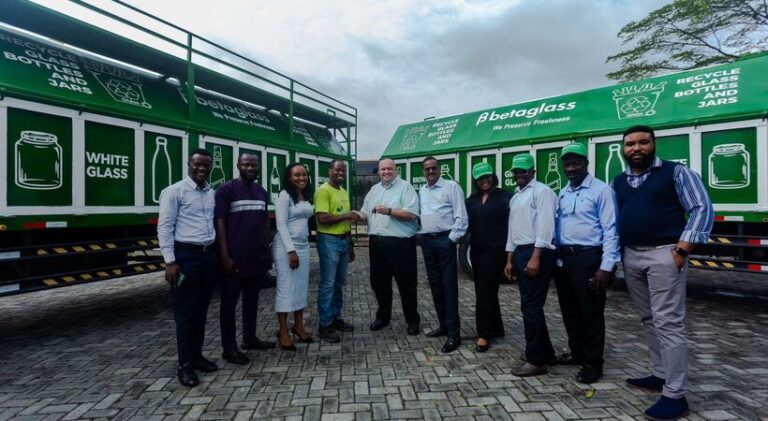
The new investment will more than double the company’s rate of investment in Nigeria, which saw $1.5 billion poured into the market over the past decade. This expansion includes not just production facilities but also sustainability initiatives like the recently opened Packaging Collection Hub in Lagos, aimed at collecting and recycling PET plastics.
The Continental Context
Coca-Cola’s commitment to Nigeria is part of a broader Africa strategy. A comprehensive socio-economic impact study released in June 2025 revealed that the Coca-Cola System contributed $10.4 billion in value-added economic activity across Africa in 2024, supporting more than 1 million jobs continent-wide.
Nigeria, with its massive population and growing middle class, represents the most significant single market opportunity on the continent—a fact not lost on Coca-Cola’s leadership.
“Coca-Cola has been an integral part of the African continent for over 96 years and today’s investment in Nigeria reiterates our optimism about the continent,” said John Murphy, CFO of The Coca-Cola Company.