
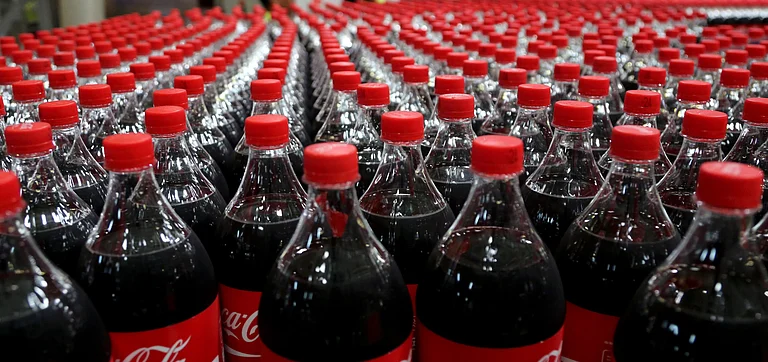
With less than seven weeks before he officially takes the helm at Coca-Cola, incoming CEO Henrique Braun faces a beverage industry in the midst of unprecedented disruption, where appetite-suppressing medications are reshaping what Americans eat and drink, and price-conscious consumers are pushing back against years of steady increases.
In his first major earnings call appearance last week Gotrade, the 30-year company veteran delivered a blunt assessment that signaled a potential shift in Coca-Cola’s historically cautious approach to innovation.
“We need to get closer to the consumer and improve our speed to market. While we have made some progress with our overall success rates over the past several years, our innovation today is not where it needs to be.”
The urgency in Braun’s message reflects mounting pressure across the packaged food and beverage sector. Around the same time, rival PepsiCo announced it would slash prices on Lay’s, Doritos, and other snacks by up to 15% CNN, a dramatic reversal after years of price hikes that squeezed consumer budgets.
The GLP-1 Factor
Behind both companies’ moves lies a fundamental shift in American eating habits, driven partly by the explosive growth of weight-loss medications. Households with GLP-1 users are projected to represent 35% of all food and beverage units sold by 2030 Food Dive, according to market research firm Circana, up from approximately 23% currently.
The drugs, marketed under names like Ozempic and Wegovy, work by suppressing appetite and making users feel fuller longer. For beverage giants dependent on sugary sodas, the implications are sobering: purchases of sugary drinks have fallen by around 7% among GLP-1-using families Food Navigator.
Even more concerning for traditional soda makers, Morgan Stanley research suggests that nearly a quarter of GLP-1 users stopped drinking alcohol completely Beverage Daily, pointing to broader shifts in consumption patterns that extend beyond just soft drinks.
Innovation Under Pressure
Coca-Cola’s fourth-quarter results underscored the challenges ahead. The company reported revenue of $11.82 billion, missing analyst expectations of $12.03 billion. Volume growth was flat in Asia-Pacific, with executives noting particular struggles in China and India as consumers gravitate toward regional brands Gotrade.
For 2026, Coca-Cola forecast organic revenue growth of just 4% to 5%, below the 5.3% analysts expected and representing a potential slowdown from 2025’s 5% rise.
The company has responded by doubling down on zero-sugar varieties and expanding into sports drinks, bottled teas, and smaller package sizes designed to appeal to budget-conscious shoppers. Last year, it introduced 7.5-ounce mini cans priced under $2 at convenience stores.
But Braun’s comments suggest this may not be enough. His call for faster innovation echoes broader industry anxiety about keeping pace with consumers who increasingly prioritize health benefits, functional ingredients like protein and fiber, and products that support weight management goals.
A Changing of the Guard
Braun will succeed James Quincey on March 31, with Quincey transitioning to Executive Chairman after nine years as CEO The Coca-Cola Company. During Quincey’s tenure, Coca-Cola added more than 10 billion-dollar brands and transformed itself into what the company calls a “total beverage company.”
Braun brings extensive international experience, having led operations in Brazil, Greater China, South Korea, and Latin America over his three-decade career with the company. His priorities as CEO will include identifying growth opportunities worldwide, leveraging technology, and, most critically, getting closer to rapidly evolving consumer needs.