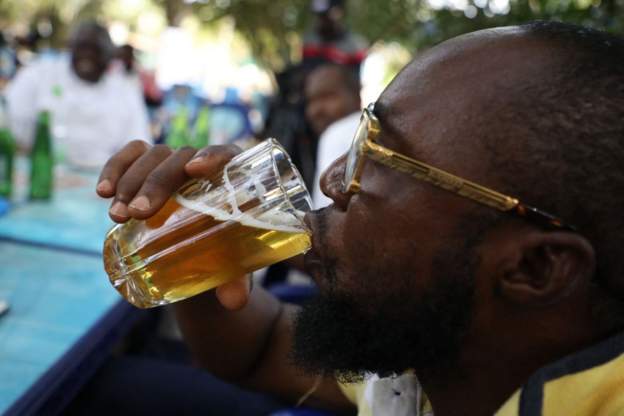

The world’s second-largest brewer confronts declining consumption, leadership vacuum, and a structural shift as younger generations embrace sobriety and health-conscious lifestyles.
Heineken will eliminate up to 6,000 positions globally, roughly 7% of its 87,000-strong workforce as it navigates what analysts call a structural reset in the global alcohol industry.
The announcement comes amid crisis. CEO Dolf van den Brink stunned investors in January by resigning after six years, leaving the company without a successor as it embarks on its most aggressive restructuring in recent memory.
“We really do this to strengthen our operations and to be able to invest in growth.”
— Harold van den Broek, Finance Chief, Heineken
The cuts reflect a fundamental transformation in how people consume alcohol, or increasingly choose not to. Global beer volumes fell 0.2% in 2025, with U.S. alcohol consumption plummeting from 67% in 2022 to 54% in 2025. Meanwhile, 49% of UK adults now choose low or no-alcohol options.
Weight-loss drugs like Ozempic are reducing alcohol cravings, Gen Z and millennials increasingly abstain, and the non-alcoholic beverage market is projected to grow from $298.4 billion in 2024 to $457 billion by 2030. “Dry January and sober-curious behavior are now mainstream cultural behaviors,” notes a recent industry analysis.
Leadership Vacuum
Van den Brink, with Heineken for 28 years, steered the company through pandemic disruption but faced mounting pressure over operational efficiency.
“The past years have been marked by significant change as Heineken progressed through its transformation and has now reached a stage where a transition in leadership will best serve the Company.”
— Dolf van den Brink, outgoing CEO
The company has no timeline for naming a successor, even as it pursues ambitious targets under its EverGreen 2030 strategy focused on premium brands and emerging markets.
Nigeria: Microcosm of Crisis
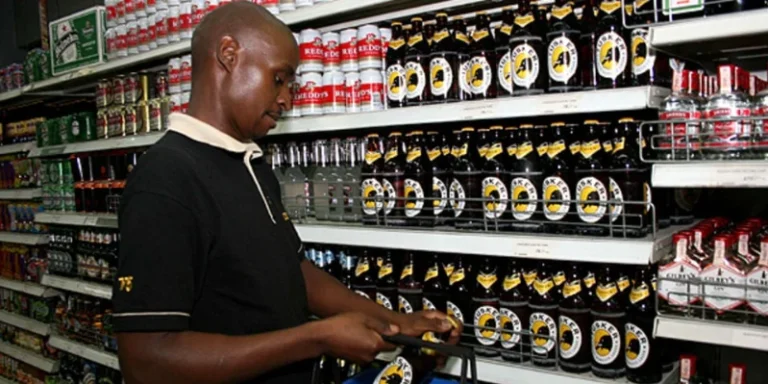
Heineken’s struggles are starkest in Nigeria, where Nigerian Breweries endured catastrophic losses. The unit reported a record ₦106 billion loss in 2023, the largest in its 77-year history, driven by naira devaluation and forex volatility.
Losses ballooned to ₦145 billion in 2024 before the company launched a massive ₦599 billion rights issue, its largest ever. The operation closed two plants and imposed price increases up to 70% to offset 33% inflation, though analysts remain skeptical about sustainability.
Where Cuts Will Fall
Job cuts will concentrate in “non-priority markets with fewer growth prospects.” Given Nigeria’s struggles and currency headwinds across emerging markets, observers expect Africa, Latin America, and mature European markets to bear the brunt. The company aims to extract €400 million in savings to fund digital transformation and brand marketing.
Dimmed Outlook
Heineken lowered profit growth expectations for 2026 to 2-6%, down from the 4-8% range for 2025, reflecting weak demand and structural changes. While it exceeded 2025 forecasts with 4.4% growth, shares fell more than 4% following van den Brink’s resignation.
Heineken’s challenges mirror industrywide malaise. Rival AB InBev and other major brewers face declining consumption as the beer market shows projected 0.2% volume decline in 2026. The premium segment has lost momentum, and cannabis beverages now rival alcohol consumption in some U.S. demographics.
“What is emerging is not a collapse but a structural reset,” industry consultants note. “One driven by health consciousness, economic pressure, generational change, and expanding competition.”
For 6,000 employees facing job loss, that “structural reset” signals the end of an era when beer companies could rely on steady growth. The next chapter will test whether a 160-year-old brewer can adapt to a world increasingly skeptical of its flagship product.