Sri Lankan conglomerate’s strategic African acquisitions propel it to top producer status, but workforce reductions spark controversy in Kenya’s tea heartland
NAIROBI, Kenya — In less than two years, Browns Investments PLC has transformed itself from a significant regional player into the world’s largest single tea producer, a remarkable ascent that has reshaped the global tea landscape while igniting fierce debate over labor practices in East Africa.
The Sri Lankan conglomerate’s acquisition of James Finlay Kenya and Lipton Tea’s African estates has catapulted its annual production to 100 million kilograms, with overseas operations in Kenya, Tanzania, Rwanda, and China now contributing 85 million kilograms to that total—dwarfing the 17 million kilograms from its Sri Lankan base.
“As a significant player in the Kenyan tea industry, Browns is actively engaging with stakeholders to address this issue and explore how the Kenyan market can adopt a more value-driven approach.”
— Kapila Jayawardena, Managing Director/CEO, LOLC Holding Group
Yet the company’s rapid expansion has been marred by controversy. Just months after promising job security during the 2023-2024 acquisitions, Browns sparked outrage in September 2025 by announcing plans to reduce its Kenyan workforce by more than 2,000 employees through a voluntary early retirement scheme.
From Volume to Value: A Strategic Pivot
Browns’ acquisitions represent more than a play for market share. Kapila Jayawardena, Managing Director and CEO of parent company LOLC Holdings Group, has articulated a vision to shift the global tea industry—particularly in Kenya—from volume-focused production to higher-value exports, mirroring Sri Lanka’s approach.
The strategy is evident in the numbers: while Kenya produces twice the tea volume of Sri Lanka, it generates less export revenue. Browns has set an ambitious target to expand global output to 150 million kilograms annually, positioning itself well ahead of individual country production figures in an industry where China dominates at 3.74 million metric tons, followed by India at 1.28 million metric tons.
Industry Context: While Browns claims the title of world’s largest single producer, it’s important to note that by country, China and India remain the dominant forces in global tea production, together representing 78% of the world’s tea output.
Labor Tensions Threaten Expansion Plans
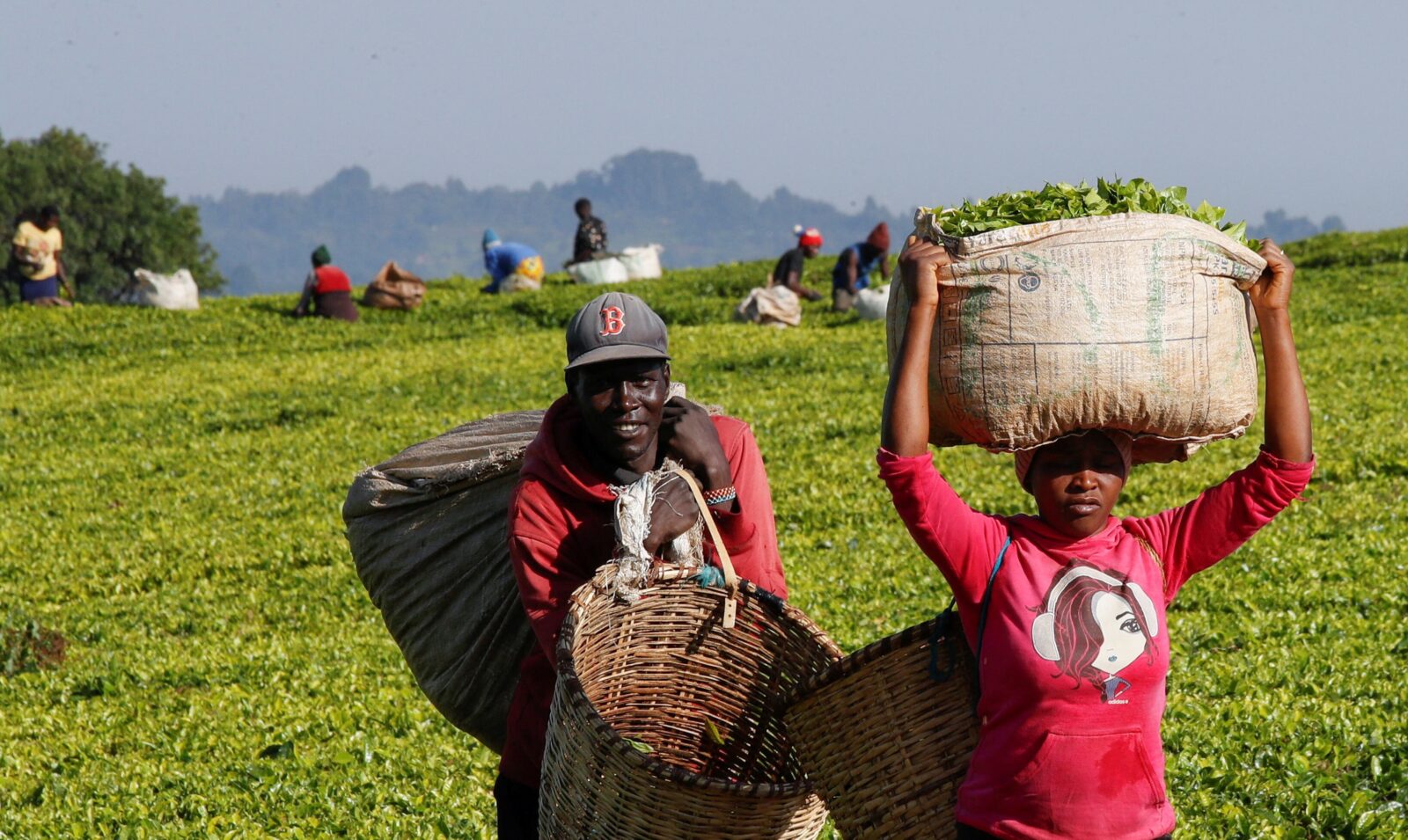
The company’s growth trajectory hit turbulence when it announced the early retirement program in September 2025. The Kenya Plantation and Agricultural Workers Union (KPAWU) has accused Browns of using the retirement scheme as a backdoor to replace unionized workers with outsourced labor at lower wages.
“Workers are being asked to take voluntary early retirement for fear of losing out on benefits, as they have been threatened with a sack. This is unacceptable,” said Dickson Sang, KPAWU Kericho branch secretary.
Kericho Governor Erick Mutai joined the criticism, questioning why an international company would announce mass layoffs just months after establishing operations in Kenya. The union has threatened legal action and potential strikes if Browns proceeds without proper consultation.
Complex Inheritance: Legacy Issues
Browns’ Kenyan operations also inherited complex social challenges. Following a 2023 BBC investigation that exposed sexual exploitation at James Finlay Kenya, the company has been implementing an action plan to address gender-based violence and improve safeguarding measures, with independent monitoring by Ethical Trade Services Africa.
The acquisitions came with significant community engagement commitments, including a 15% community co-ownership model through the Kipsigis Highlands Cooperative and a commitment to invest 1 billion Kenyan shillings into a Community Welfare Trust.
Global Ambitions Beyond Africa
Despite the current controversies, Browns maintains aggressive expansion plans. The company, part of the LOLC Holdings PLC group—one of Sri Lanka’s largest and most profitable listed corporations—is evaluating real estate development opportunities on underutilized plantation land across its African operations.
“Land must be utilised to its fullest potential, and we need to consider the best use of the land. Underutilised land is of no benefit to any country,” Jayawardena emphasized.
Browns manages 49 estates spanning over 30,000 hectares in Sri Lanka, employing more than 10,000 people. With its African expansion, the company now operates 12 FSSC22000-certified factories and manages approximately 15% of Kenya’s national tea output. The company has signaled intentions to expand further across Africa, Asia, and South America.
Industry at a Crossroads
The Browns story reflects broader tensions in the global tea industry, which faces persistent challenges of overproduction, price pressures, and the need to balance mechanization with employment. Kenya’s tea sector has been particularly affected, with market analysts noting that increased production hasn’t translated to proportional revenue gains.
As part of its acquisition agreement with Lipton, Browns committed to meeting rigorous quality, social, and environmental standards by 2025, becoming Lipton’s primary supplier. The partnership was intended to raise tea quality globally and accelerate responsible farming methods—commitments now being tested against workforce reduction pressures.
The coming months will likely determine whether Browns can reconcile its ambitions for global dominance with the social responsibilities it assumed through its African acquisitions. For the thousands of workers in Kenya’s tea heartland, the outcome will shape not just their livelihoods, but the future of labor relations in one of Africa’s most important agricultural sectors.