Global energy drink giant Monster Beverage Corporation has reported impressive financial results for 2025, with revenue surging 17% year-over-year to reach $2.20 billion in the third quarter alone. The strong performance comes as Nigeria emerges as Africa’s fastest-growing energy drink market, with the sector projected to expand at 14.1% annually—presenting significant opportunities for international and local brands alike.
Strong Numbers, Cautious Outlook
The California-based company, which trades on the NASDAQ under the ticker MNST, delivered robust third-quarter earnings that exceeded market expectations. Free cash flow jumped by nearly 25% to $1.61 billion for the nine-month period ending September 2025, demonstrating the company’s operational strength despite challenging consumer conditions globally.
Monster’s stock currently trades around $81, close to what analysts describe as “fair value,” with limited upside potential. The company is scheduled to report fourth-quarter earnings on February 26, 2026, which could provide crucial insights into consumer spending trends and the impact of renewed tariff concerns.
Nigeria: Africa’s Energy Drink Powerhouse
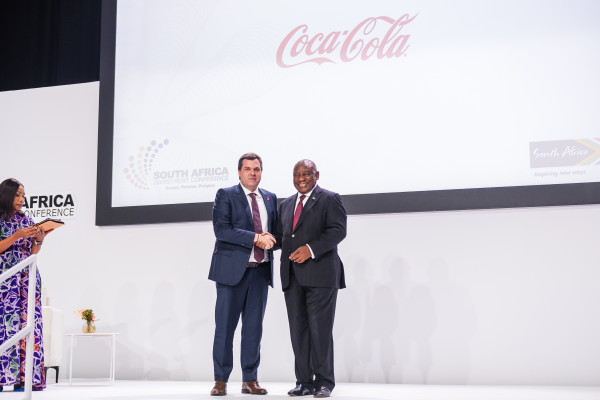
Monster Beverage’s presence in Nigeria is distributed through Coca-Cola’s Nigerian Bottling Company network, positioning the brand within one of Africa’s most dynamic energy drink markets.
Nigeria leads the continent in energy drink consumption growth, with a projected compound annual growth rate (CAGR) of 14.1%—well above the continental average of 10.2%. The country accounts for over 50% of traditional energy drink consumption in Africa, driven by its youthful population with a median age of just 19.4 years.
The Nigerian market is notably diverse, with multiple brands competing across different price segments. While locally-produced Fearless Energy Drink leads with 44% consumer preference according to a 2025 Nairametrics survey, this fragmentation creates opportunities for premium positioning.
“Nigeria’s energy drink market is evolving rapidly,” explained beverage industry analyst Chioma Okafor. “There’s growing demand across multiple segments, from value-conscious consumers to those seeking premium, international brands. Monster’s challenge and opportunity lies in the price-to-value perception, with Fearless retailing at around N415 per bottle while Monster costs between N1,200 to N1,500 for a 33cl can.”
Growth Drivers
Nigeria’s energy drink market is valued at approximately $5.03 billion in 2025 and continues expanding rapidly. The growth is fueled by several factors including rapid urbanization. With Lagos, Abuja, and Port Harcourt experiencing rapid urban growth, the “on-the-go” lifestyle is creating demand for portable energy solutions. Africa’s urban population is projected to reach 722 million by 2026.
Additionally, Nigeria’s young population, with 71% of energy drink consumers aged 30 or younger, drives consistent demand. Students, night-shift workers, and commercial drivers represent the core consumer base. Also energy drinks are now available across multiple channels – 34% of purchases occur in supermarkets, 24% in open markets, and 17% through street hawkers, making them highly accessible.
With Lagos, Abuja, and Port Harcourt experiencing rapid urban growth, the “on-the-go” lifestyle is creating demand for portable energy solutions. Africa’s urban population is projected to reach 722 million by 2026.
The rapid growth has not come without concerns. Health experts warn that many Nigerians perceive energy drinks as healthy despite their high sugar and caffeine content. Research shows that 20% of Nigerian consumers cite “health benefits” as a reason for choosing energy drinks, even though most products contain caffeine levels higher than coffee.
The National Agency for Food and Drug Administration and Control (NAFDAC) has intensified monitoring of energy drink products, particularly as some international markets move to restrict sales to minors. The UK, for instance, plans to ban energy drink sales to consumers under 16.
Competitive Landscape and Strategic Positioning
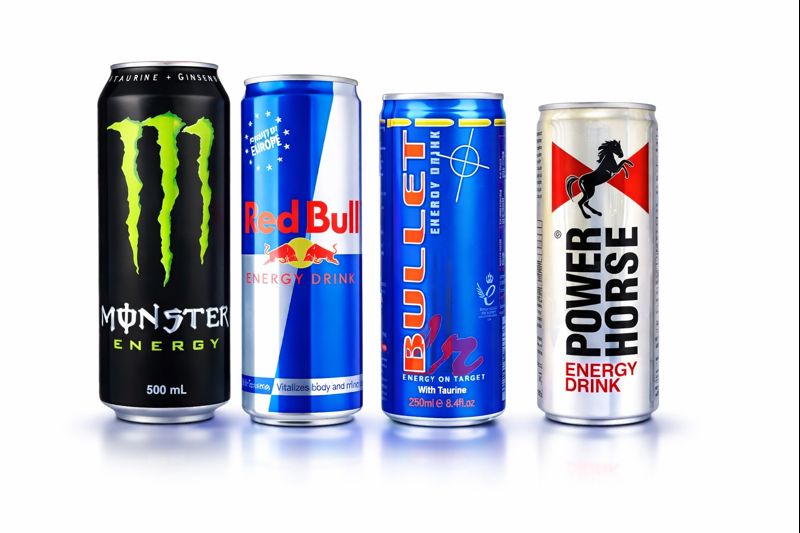
Nigeria’s energy drink market features a mix of international and local brands, each targeting different consumer segments. Red Bull, Power Horse, Bullet, and Amber compete alongside local favorites, creating a vibrant marketplace valued at approximately $5.03 billion in 2025.
Monster’s premium positioning, backed by Coca-Cola’s distribution muscle and the company’s $1 billion five-year investment commitment to Nigeria (announced September 2024), provides strong infrastructure for growth. This investment is expected to enhance Monster’s distribution network and market penetration across the country.
Premium Strategy in a Growing Market
Monster’s financial strength provides flexibility for market development. With a price-to-free-cash-flow ratio of approximately 37, $2.29 billion in cash, and zero long-term debt, the company has resources to invest in market expansion and brand building.
“Monster has built a financial fortress that positions it well for long-term growth in emerging markets,” noted investment analyst Dan Su from Morningstar. “The challenge in markets like Nigeria is converting brand strength into market share across different consumer segments.”
The premium positioning creates differentiation in a crowded market, though it requires strategic brand-building to justify the price premium to Nigerian consumers.
Growth Opportunities Ahead
Despite pricing challenges, Monster Beverage remains strategically positioned for Nigerian market expansion. The global energy drink market is expected to grow at an 8% CAGR through 2030, with African markets among the fastest-growing regions.
Nigeria presents specific opportunities in emerging segments. Market research indicates growing demand for natural and organic energy drinks, projected to grow at over 12% annually. Monster’s Ultra line—a zero-sugar variant—could appeal to health-conscious consumers, representing a premium segment with less price sensitivity.
Industry observers note that Monster’s product portfolio offers multiple entry points. The company could introduce varied package sizes or premium variants to serve different consumer segments, similar to strategies employed successfully in other emerging markets.
As Nigeria’s young, urban population continues to drive energy drink consumption—with 71% of consumers under 30 years old—the market opportunity remains compelling for both international brands like Monster and local players. Success will depend on understanding local consumer preferences while leveraging global brand strength and distribution capabilities.