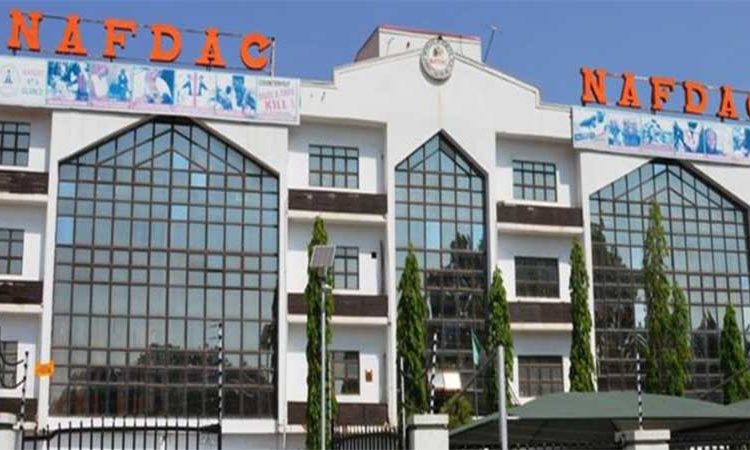
Nigeria’s food and drug regulatory agency has found itself at the center of a policy clash, insisting that its controversial ban on sachet alcohol remains in full force despite claims of a federal government suspension order.
The National Agency for Food and Drug Administration and Control (NAFDAC) on Thursday dismissed reports that it had been directed to halt enforcement of the prohibition on alcoholic beverages packaged in sachets and PET bottles below 200ml, describing such claims as “false and misleading.”
The Standoff
On Wednesday, the Office of the Secretary to the Government of the Federation announced a suspension of all enforcement actions, citing security and economic concerns. Hours later, NAFDAC Director-General Prof. Mojisola Adeyeye countered:
“At no time has the Agency received any directive to suspend its regulatory or enforcement activities regarding sachet alcohol and small-volume alcoholic beverages.”
The contradictory statements raise serious questions about coordination within government on this contentious issue.
Seven Years in the Making
This impasse caps a policy saga beginning in December 2018, when NAFDAC and stakeholders agreed to phase out sachet alcohol over five years. After extensions, the Nigerian Senate in November 2025 ordered strict enforcement by December 2025 with no further delays.
Public Health vs. Economic Impact
NAFDAC cites alarming data: approximately 50 percent of minors patronise outlets selling alcohol in sachets and small PET bottles. Prof. Adeyeye insists:
“This ban is not punitive; it is protective. It is aimed at safeguarding the health and future of our children and youth.”
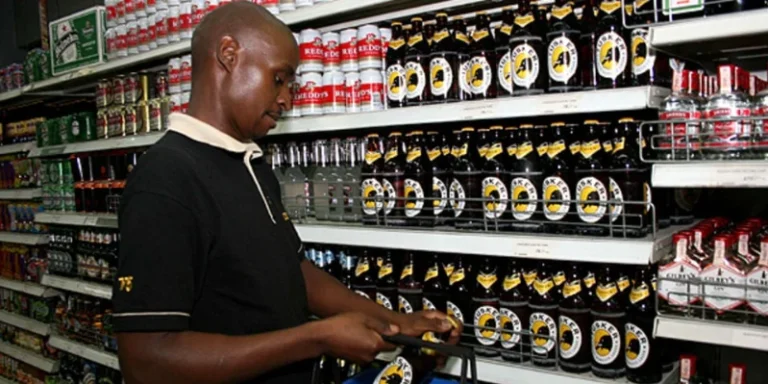
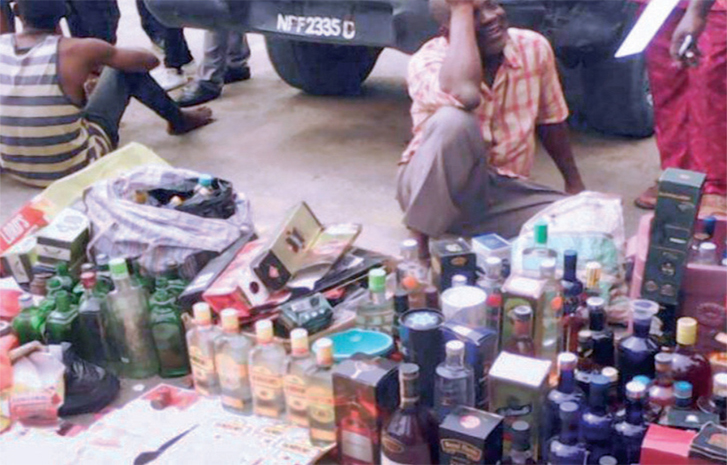
Studies show sachet alcohols (30-40% ABV) fuel underage drinking, road accidents, and social vices due to their low cost and easy concealment.
However, manufacturers warn of devastating consequences. The Manufacturers Association of Nigeria argues the policy threatens N1.9 trillion in investment and over 500,000 direct jobs. Labor unions have staged protests in Lagos, warning that enforcement without harmonized policy could “destabilize communities and worsen unemployment.”
Enforcement Amid Uncertainty
Despite the confusion, NAFDAC says it has begun evacuating violative products from manufacturing facilities. Some manufacturers have started complying, while the agency warns against “unverified information capable of fueling misinformation.”
The conflicting directives leave stakeholders in limbo. While NAFDAC insists enforcement continues, the government has ordered suspension pending completion of the National Alcohol Policy framework—signed but not operationalized.
This seven-year policy journey from stakeholder consensus to bureaucratic deadlock highlights Nigeria’s struggle to balance urgent public health interventions against economic realities. With the regulatory agency and presidency publicly contradicting each other, the fate of one of the country’s most debated health policies hangs in the balance.
This sachet alcohol ban has been an evolving story with multiple developments. For complete coverage of how this policy unfolded, explore our comprehensive reporting: