Leading beverage manufacturer joins exclusive group of 35 companies with highest-level security status amid Nigeria’s regulatory transition
In a milestone that underscores the heightened compliance demands facing Nigeria’s beverage sector, Nestlé Nigeria Plc has secured the highest tier of certification under the Nigeria Customs Service’s Authorised Economic Operator (AEO) programme, positioning the maker of MILO, NESCAFÉ, and other iconic brands among an elite group navigating the country’s evolving trade landscape.
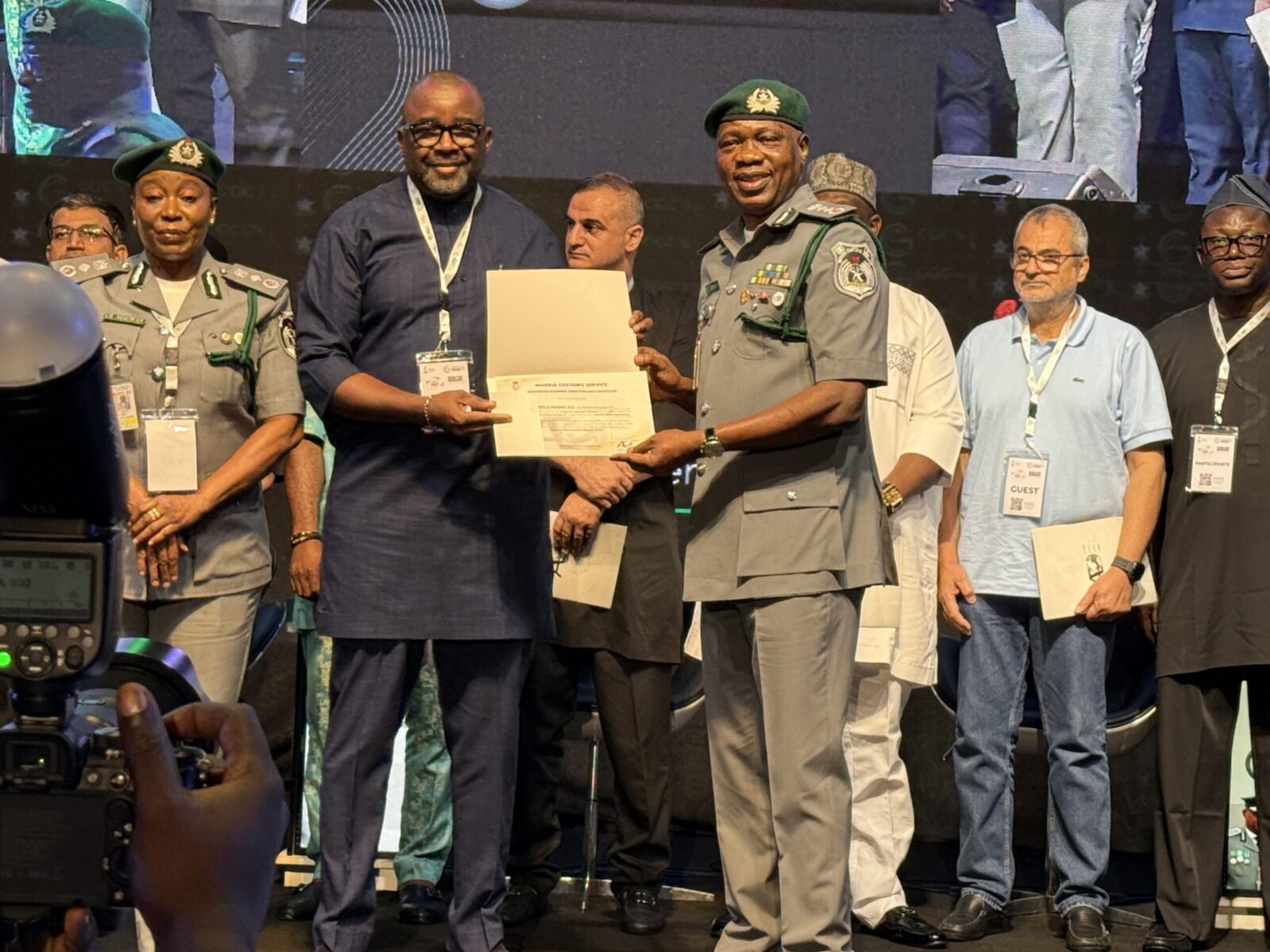
The Switzerland-based multinational’s Nigerian subsidiary received the Security and Safety status, valid for five years, after what officials described as exhaustive customs audits and on-site operational assessments. The achievement is particularly significant as it comes amid a nationwide transition from the Fast Track Scheme to the more rigorous AEO framework, a shift that has proven challenging for many companies.
According to recent data from the Nigeria Customs Service, out of 584 applications submitted before the January 31, 2026, deadline, only 51 companies have achieved full certification, a success rate of just 26 per cent. Of the initial 391 applications received when Nestlé applied, merely 35 companies were granted full certification, with even fewer attaining the Security and Safety designation that Nestlé now holds.
“Compliance is Indeed Possible”
“With the presentation of certificates today, it is a clear testament that compliance is indeed possible, even within an ecosystem often challenged by non-compliance.”
— Alhaji Bashir Adewale Adeniyi, Comptroller General, Nigeria Customs Service
At the formal certificate presentation in Abuja, Comptroller General Adeniyi emphasized that the certification represents more than regulatory achievement, it signals a fundamental shift in how businesses can operate within Nigeria’s complex trade environment.
For beverage manufacturers like Nestlé, which rely on intricate supply chains spanning local sourcing and international imports, the stakes are particularly high. The company’s beverage portfolio—including MILO chocolate malt drink, NESCAFÉ coffee, and NESTLÉ PURE LIFE water, requires consistent access to both locally-sourced grains like sorghum and imported ingredients, making supply chain efficiency critical.
Beverage Industry Under Pressure
Nigeria’s food and beverage sector faces mounting operational challenges. The removal of fuel subsidies and naira devaluation in 2024 drove food costs sharply higher, making efficient logistics and customs clearance essential for maintaining product availability and pricing.
Research on Nigeria’s beverage supply chains reveals persistent challenges including currency volatility, infrastructure deficits, and what industry experts describe as “fragmented” supply chain management systems. These pressures have intensified focus on compliance frameworks that can deliver predictability and cost savings.
“The AEO Programme is a globally recognised compliance-based initiative that grants trusted operators enhanced benefits such as expedited cargo release, reduced documentation, lower inspection levels, pre-arrival processing, and greater predictability in cross-border trade,” explained Assistant Comptroller NU Awa, AEO National Lead.
What the Certification Means for Beverage Operations
For Nestlé Nigeria, which operates three manufacturing sites and eight branch offices while serving millions of consumers daily, the AEO Security and Safety status delivers tangible operational advantages:
Faster customs clearance at ports and warehouses
Reduced physical inspections, minimizing delays for imported ingredients
Improved material availability through streamlined processes
Enhanced regulatory engagement and trade partner confidence
Priority lane access and pre-arrival processing capabilities
These benefits directly address pain points in beverage manufacturing, where timing is critical—from importing coffee beans for NESCAFÉ production to ensuring fresh milk reaches processing facilities for MILO production.
“This certification is a clear recognition of the strength and integrity of our supply chain. At Nestlé Nigeria, we are deliberate about building systems that are secure, compliant, and resilient from sourcing to delivery.”
Achieving AEO Security and Safety certification required meeting stringent criteria that many companies found insurmountable. Industry consultant Sulaiman Ayokunle, who has worked with over 10 importers on AEO applications, described the validation process as “very cumbersome.”
Customs teams typically spend a minimum of seven to eight hours on-site during inspections, deploying specialists ranging from accountants and ICT experts to engineers, security officers, and lawyers. Companies seeking the Security and Safety designation, the highest tier, must also hold ISO 28001 certification, an international standard for supply chain security management.
The requirements extend beyond operational excellence to financial stability and corporate longevity. Applicants must be registered with the Corporate Affairs Commission for at least five years, maintain valid Tax Clearance Certificates for the same period, and provide audited financial reports spanning five years.
For beverage companies, these standards align with existing quality management systems but demand comprehensive documentation across supply chain security, IT infrastructure, financial controls, and regulatory compliance.
Industry-Wide Implications
Nestlé’s achievement occurs as Nigeria implements a wholesale transition from the decade-old Fast Track Scheme to the WCO SAFE Framework-aligned AEO programme, supported by Sections 108 to 111 of the Nigeria Customs Service Act, 2023.
The transition has exposed operational gaps across sectors. With only 51 companies fully certified and another 45 holding provisional status as of early February 2026, the beverage and broader food manufacturing industries face a competitive divide between certified operators enjoying facilitation benefits and non-certified companies subject to standard inspection protocols.
For beverage manufacturers navigating Nigeria’s challenging business environment characterized by infrastructure constraints, foreign exchange volatility, and rising input costs, the AEO programme represents both a hurdle and an opportunity. Companies that achieve certification gain significant competitive advantages through faster clearance times and reduced logistics costs, while those unable to meet the standards face potential operational disadvantages.
Beyond Beverages: A Cross-Sector Standard
While Nestlé’s beverage brands may be the most visible beneficiaries, the certification applies across the company’s entire Nigerian operation, including its MAGGI seasoning cubes and GOLDEN MORN cereal products. This comprehensive approach reflects the integrated nature of modern food and beverage supply chains, where raw materials, packaging, and finished goods move through shared logistics infrastructure.
The company’s six-decade presence in Nigeria, beginning in 1961 and expanding to include factories in Agbara Industrial Estate and Flowergate, has built the institutional capacity necessary to meet AEO requirements. With over 2,300 direct employees and a distribution network reaching from Lagos supermarkets to remote villages via tricycles and boats, Nestlé’s supply chain complexity demands the systematic approach that earned AEO recognition.
“Nestlé Nigeria was granted AEO Safety and Security certification in recognition of the very high safety and security standards observed during the validation process,” noted Assistant Comptroller Awa. “This certification reflects the Service’s trust in the company’s compliance framework and its commitment to strengthening supply chain security.”
Looking Ahead
As Nigeria’s beverage market, currently valued at approximately $61.25 billion and projected to grow at 16.54% CAGR through 2029, continues expanding, operational efficiency and regulatory compliance will increasingly differentiate market leaders from competitors.
The AEO programme’s emphasis on supply chain security, financial stability, and systematic compliance aligns with global best practices while addressing Nigeria-specific challenges including informal trade, documentation gaps, and security concerns.
For Nestlé Nigeria, the certification reinforces its positioning as what it calls “the leading Nutrition, Health and Wellness Company in Nigeria.” More fundamentally, it demonstrates that even in challenging regulatory environments, disciplined investment in systems, processes, and compliance can deliver measurable competitive advantages.
Other beverage manufacturers, from Nigerian Breweries and Guinness Nigeria in the alcoholic beverage segment to emerging juice and functional drink producers, now face pressure to pursue similar certification or risk falling behind in an increasingly compliance-driven marketplace.
As Diabate emphasized, the achievement reflects more than regulatory box-checking: “Being awarded the highest AEO Security and Safety status by the Nigeria Customs Service reinforces the trust placed in our operations and our responsibility to support efficient and responsible trade in Nigeria.”
About Nestlé Nigeria
Nestlé Nigeria Plc, a subsidiary of Nestlé S.A. Switzerland, has operated in Nigeria for over 63 years. The company manufactures and markets food and beverage products including MILO, NESCAFÉ, NESTLÉ PURE LIFE, GOLDEN MORN, and MAGGI through three manufacturing sites, eight branch offices, and an extensive distribution network. The company is listed on the Nigerian Stock Exchange.