Nigeria’s bottled water industry is experiencing explosive growth, projected to surge by over 12% annually through 2029, reaching a market value of $8.37 billion, according to recent market forecasts. The boom is being driven by urbanization, infrastructure challenges, and rising health consciousness among Africa’s most populous nation.
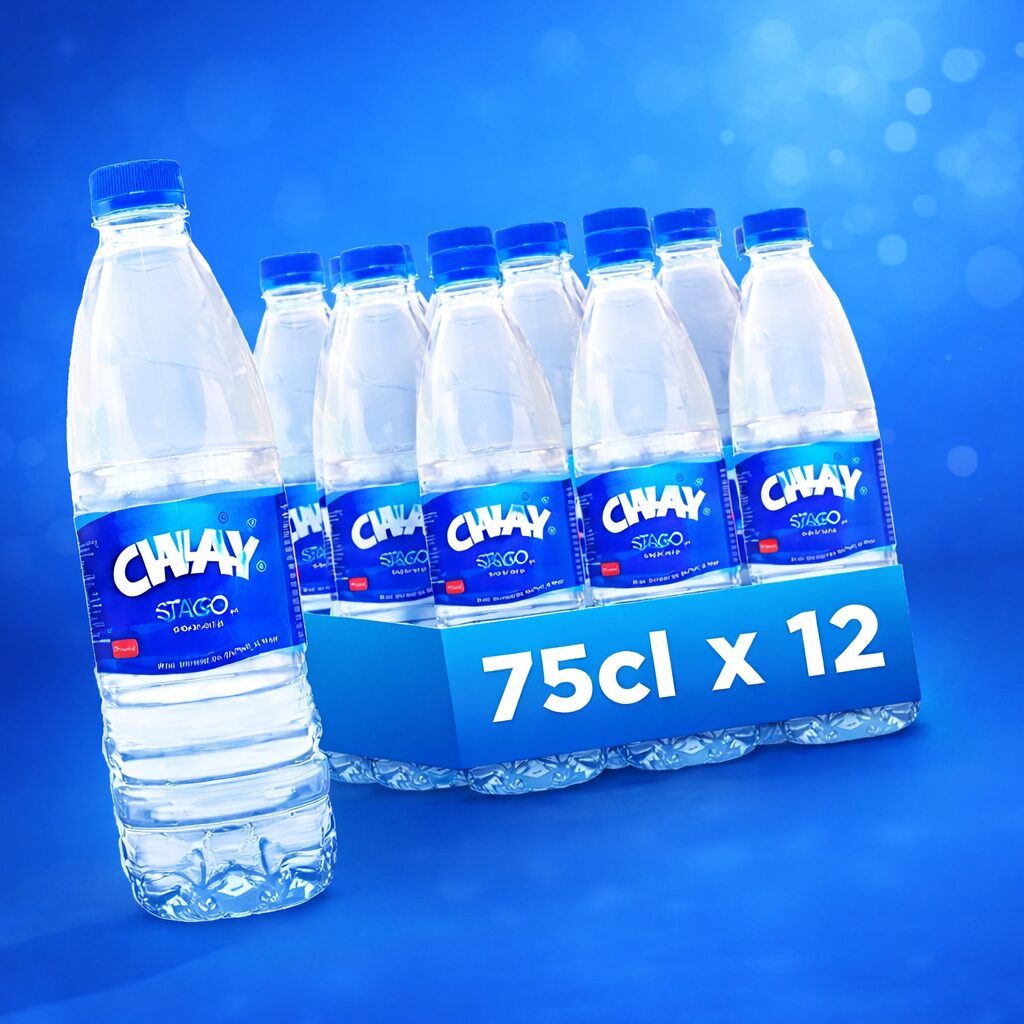
Recent consumer data tracking actual purchases reveals a highly competitive landscape with 255 distinct bottled water products from 168 brands now available across Nigeria’s 37 states. CWAY has emerged as the most scanned bottled water brand among Nigerian consumers, with the 75cl plastic bottle format dominating consumer preference.
“The growth rate begins at 7.50% in 2025, climbs to a high of 8.06% in 2026, and moderates to 4.26% by 2029,” .
The market’s rapid expansion is fueled by fundamental infrastructure gaps. With many Nigerian households lacking reliable access to safe tap water, particularly in rapidly urbanizing areas, bottled water has transformed from a luxury to a necessity. Nigeria’s tropical climate and notorious traffic congestion in major cities like Lagos have made on-the-go consumption essential for millions of commuters.
Premium Segment Gains Ground
While affordable sachet water continues to serve the mass market, premium and flavored bottled water categories are gaining significant traction. Major players including Coca-Cola’s Eva brand, Nestlé Pure Life, and local champion CWAY are competing fiercely for market share, with Eva reportedly leading the premium segment through strong distribution networks and brand reputation.
The industry recorded over 31,981 new product entries in the past year alone, reflecting intense innovation and competition. However, producers face mounting challenges from rising costs. Double-digit inflation, fuel price increases, and higher taxation on plastics have squeezed profit margins while pushing retail prices upward, factors that could test consumer loyalty in 2026.
Sustainability Concerns Mount
Environmental consciousness is reshaping consumer preferences, with growing demand for brands using recyclable materials and sustainable production practices. This shift comes as Nigeria grapples with plastic waste management challenges, prompting some manufacturers to explore eco-friendly packaging alternatives.
The per capita consumption of bottled water in Nigeria stood at approximately 26.54 liters in 2025, with projections showing continued growth as the country’s population, currently over 223 million, is expected to reach 400 million by 2050.
Market analysts predict that the combination of population growth, continued urbanization, and limited improvements in public water infrastructure will sustain robust demand for bottled water across all segments, positioning Nigeria as a critical growth market for both local and international beverage companies through the end of the decade.