
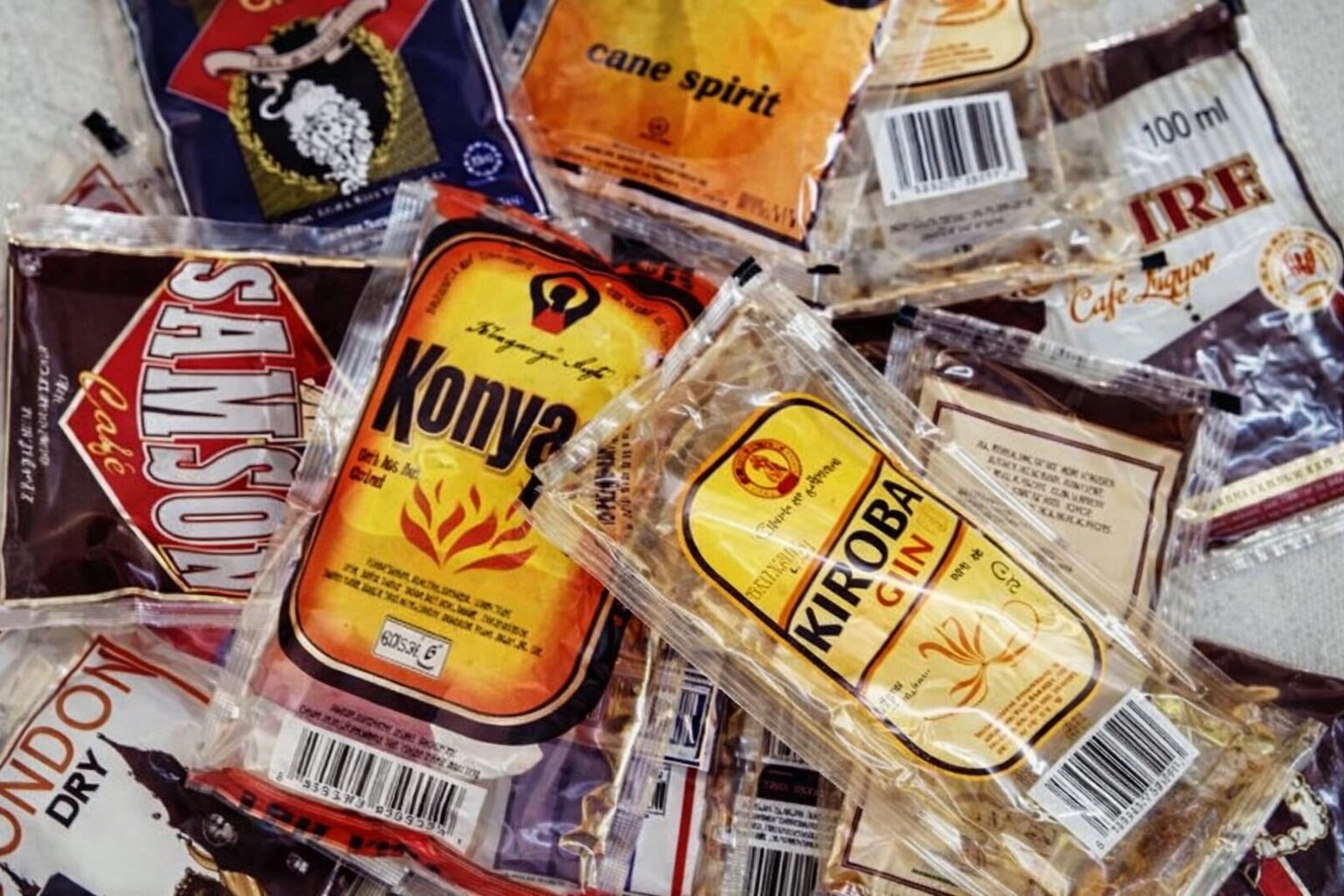
Pro-health organizations from Uganda and Ghana praised Nigeria’s sachet alcohol ban as a landmark policy that could serve as a model for Africa, only to see the Nigerian government order its suspension hours later.
The Uganda Alcohol Policy Alliance (UAPA) and Vision for Sustainable Accelerated Development (VAST-Ghana) issued commendations to Nigeria’s National Agency for Food and Drug Administration and Control (NAFDAC) on Monday, calling the enforcement a breakthrough for public health. By Wednesday, the Federal Government had ordered NAFDAC to suspend all enforcement, citing economic disruption and security risks.
Continental Praise
In a letter to NAFDAC Director-General Professor Mojisola Adeyeye, UAPA Chairperson Juliet Namukasa praised Nigeria for decisive action against sachet alcohol, inexpensive, easily concealed products particularly dangerous for underage consumers. Research in Uganda shows 35% of secondary students consumed sachet alcohol within 12 months, with some products containing arsenic, lead, and chromium.
“The renewed ban demonstrates a commitment to evidence-based regulation, prioritising people before profits.”
Juliet Namukasa, Chairperson, Uganda Alcohol Policy Alliance
VAST-Ghana went further, calling on Ghana’s government to implement a similar ban. The organization noted that Ghana’s Food and Drugs Authority already has legal authority under the Public Health Act to impose such restrictions administratively. According to Ghana’s STEPwise Survey, 22.6% of adults aged 18-69 are current drinkers, with children as young as 10 exposed to alcohol.
Why Nigeria Matters for Africa
Nigeria’s larger economy meant its ban could influence policy across the continent. Uganda banned sachet alcohol in 2018, but enforcement has been inconsistent. WHO data shows Uganda’s per capita alcohol consumption at 12.21 liters annually—nearly double the global average—with those aged 15 consuming 25.8 liters. When Uganda’s ban was implemented, black market alternatives grew to 71% of the industry by 2025.
The Dramatic Reversal
As African advocates celebrated, Nigeria’s Federal Government pulled the plug Wednesday. The directive from the Secretary to the Government of the Federation cited “grave concerns over economic stability and potential security threats,” ordering suspension pending implementation of the National Alcohol Policy.
The reversal followed intense lobbying from industry groups. The Manufacturers Association of Nigeria warned the ban could eliminate ₦1.9 trillion in investments and threaten five million jobs. Labor unions even called for Prof. Adeyeye’s suspension.
“It is a known and well-documented fact that the industry and their front groups deliberately stand in the way of any form of regulation.”
— Philip Jakpor, Executive Director, Renevlyn Development Initiative
Before suspension, Prof. Adeyeye had vigorously defended the policy, citing students claiming they “could not sit for examinations without first consuming sachet alcohol.” The Nigerian Association of Resident Doctors and other health bodies supported the ban, with NARD president Dele Abdullahi insisting “health risks are worse” than job losses.
Implications for the Continent
The reversal may dampen enthusiasm among advocates in other African countries, demonstrating the formidable opposition public health policies face when threatening economic interests. However, Nigerian civil society organizations, including the Renevlyn Development Initiative, Coalition for Healthy Food Advocacy, and Corporate Accountability and Public Participation Africa, have urged NAFDAC to remain steadfast.
The battle over sachet alcohol highlights broader questions about prioritizing public health over industry profits across Africa. With the government promising a “final decision” after consultations, the outcome could shape alcohol regulation policies continent-wide.