Presidential directive on excise duty increases remains missing despite reform deadlines
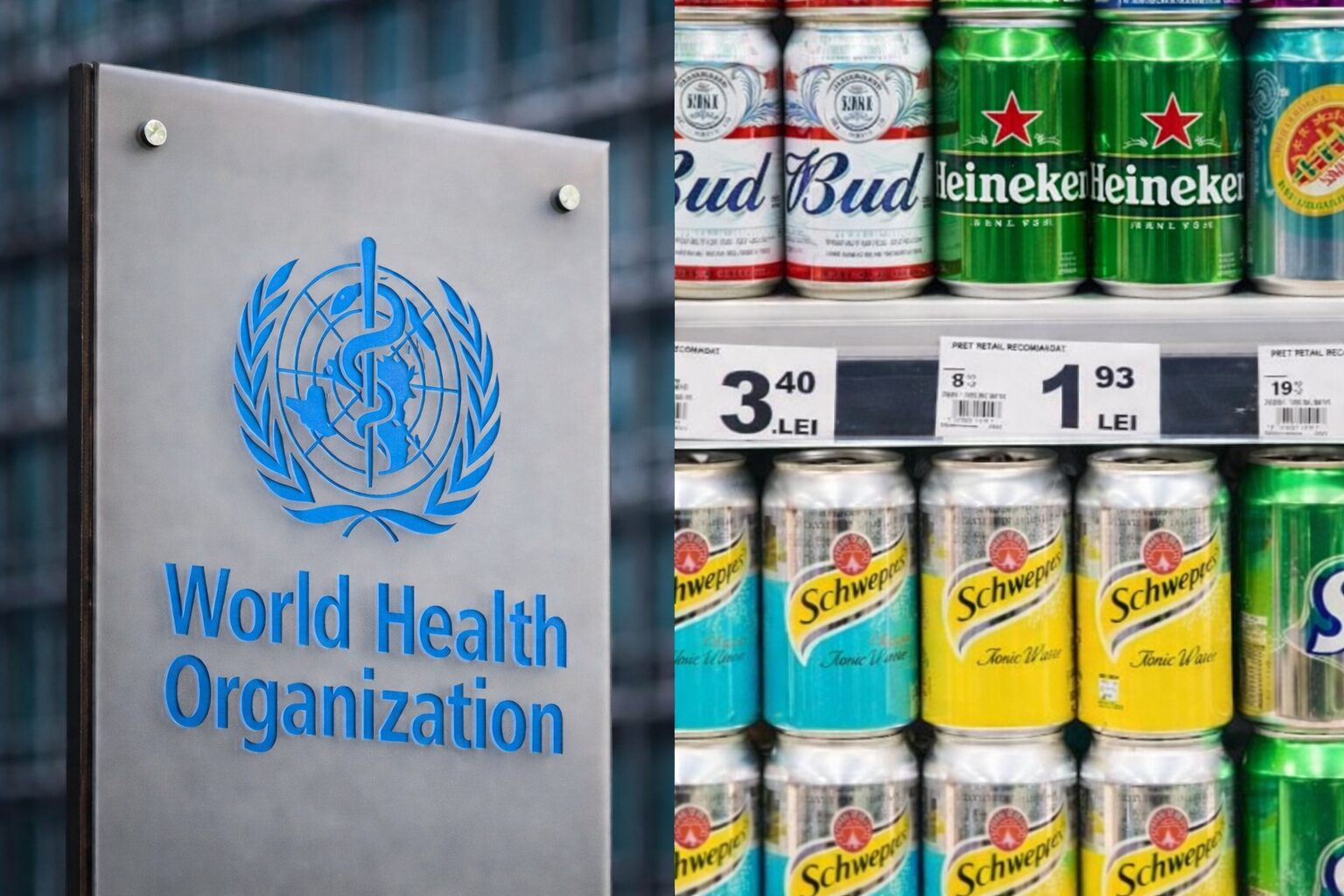
Nigeria’s ambitious plan to raise hundreds of millions of dollars from higher taxes on alcohol, tobacco, and sugary drinks has hit a critical bottleneck, with the World Bank withholding substantial loan disbursements until President Bola Tinubu issues a formal order approving the controversial levies.
According to the World Bank’s latest implementation report, the federal government has received just $109.9 million—barely 15% of the $750 million Nigeria Accelerating Resource Mobilisation Reforms (ARMOR) facility approved in June 2024.
“The bulk of the $750 million loan remains frozen pending the issuance of a presidential directive raising excise duties on what economists call ‘sin goods.'”
— World Bank Implementation Status Report
The development comes as Nigeria implements sweeping tax reforms that took effect January 1, 2026, marking the most comprehensive overhaul of the country’s fiscal framework in decades.
The development comes as Nigeria implements sweeping tax reforms that took effect January 1, 2026, marking the most comprehensive overhaul of the country’s fiscal framework in decades.
The Missing Presidential Order
The tariff review board approved proposed excise duty increases on beer, stout, wine, whisky, and tobacco products back in January 2026, with the recommendations submitted to Finance Minister Wale Edun. Yet six months later, the crucial presidential order remains unsigned—a delay the World Bank warns could jeopardize Nigeria’s broader revenue mobilization targets.
“A Presidential order increasing excises on ‘sin’ goods is in place,” the World Bank noted in its assessment, classifying the reform as “not yet due” but acknowledging that preparatory policy work is underway.
The stalemate is particularly notable given Nigeria’s track record of swift action on other loan conditions. The country unlocked a separate $1.5 billion RESET facility in record time after removing fuel subsidies and passing comprehensive tax bills in 2024.
How Low Are Nigeria’s Current Sin Taxes?
Nigeria’s current excise regime is remarkably light by international standards. According to PwC data, alcoholic beverages attract a 20% ad valorem duty plus specific charges per liter that have remained largely unchanged since 2022, when beer and stout were taxed at ₦40-50 per liter.
Tobacco products face a 30% ad valorem tax plus ₦5.20 per cigarette stick as of 2024—rates the World Bank describes as “very low” for meaningful fiscal impact or public health outcomes.
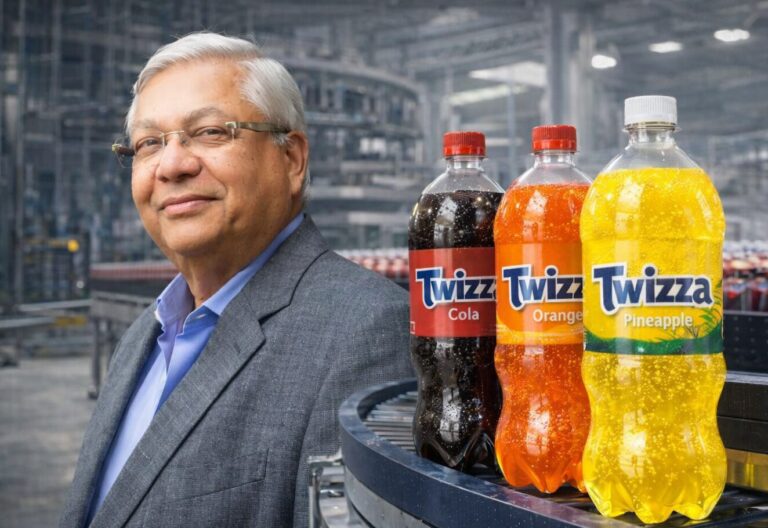
Most notably, sweetened beverages currently attract just ₦10 per liter in excise duty, a rate introduced in 2021 through the Finance Act. Due to inflation, public health advocates say this amount is now worth less than ₦4 in real terms.
“A ₦130 per liter tax on sweetened beverages would generate ₦729 billion in additional revenue while curbing consumption of products linked to diabetes and obesity—a 1,200% increase from current rates.”
— Corporate Accountability and Public Participation Africa (CAPPA)
The Corporate Accountability and Public Participation Africa (CAPPA) has been pushing for the sweetened beverage tax to jump to at least ₦130 per liter.
What’s at Stake?
The proposed excise increases represent a crucial component of Nigeria’s strategy to boost non-oil revenue from 5.3% of GDP to 7.3% by 2027. The country has already exceeded one key target, with VAT collection reaching 2.30% of non-oil GDP by December 2024, surpassing the 1.80% target set for 2027.
However, the World Bank’s report highlights that disbursement-linked results tied to excise and environmental taxation remain incomplete. At least $10 million in immediate funding hinges on the presidential order, with potentially $30 million more linked to implementation of green taxes on vehicles and petroleum products.
Development economist Aliyu Ilias, CEO of CSA Advisory, told journalists the World Bank’s conditions were “expected,” noting that Nigeria should anticipate strings attached to loan disbursements. He acknowledged potential revenue benefits but expressed concern about the growing influence of external institutions on Nigeria’s economic decisions.
The Broader Tax Revolution
The excise duty debate unfolds against the backdrop of Nigeria’s historic tax overhaul, which consolidated six major tax laws into a unified framework effective January 1, 2026.
President Tinubu signed four groundbreaking tax reform bills into law on June 26, 2025, replacing the Personal Income Tax Act, Companies Income Tax Act, VAT Act, Capital Gains Tax Act, Petroleum Profits Tax Act, and Stamp Duties Act.
The Nigeria Tax Act 2025 introduces mandatory Tax Identification Numbers (TINs) for all bank accounts, brings cryptocurrency under the tax net with 15% capital gains tax, and raises the personal income tax-free threshold to ₦800,000 annually.
Notably, the reforms also include a 5% fossil fuel surcharge on petroleum products (excluding kerosene, LPG, CNG, and renewable energy) and reintroduced a controversial 5% excise duty on telecommunications services—a measure President Tinubu had suspended in July 2023 due to inflation concerns.
Political Sensitivities
The sin tax increases face political headwinds despite their revenue potential and public health rationale. Industry groups have warned that sharp tax hikes could trigger job losses and hurt businesses already struggling with Nigeria’s challenging economic environment.
When the ₦10-per-liter sweetened beverage tax was introduced in 2021, organized labor groups predicted it would cost 15,000 direct and indirect jobs. Similar concerns are likely to resurface if the government pursues the ₦130-per-liter rate advocated by health groups.
The government must also navigate implementation challenges. Online VAT filing compliance fell to 32% in 2024 from 41% in 2023, despite more taxpayers filing on time—a decline the World Bank attributed to the sharp expansion in the taxpayer base.
What Happens Next?
With the ARMOR program rated “moderately satisfactory” but carrying a “high” risk rating due to multiple concerns, the pressure is on the Tinubu administration to accelerate reforms.
The tariff review board, which met in January 2026 to align trade, fiscal, and monetary policies, has already approved the excise increases. According to Trade and Investment Minister Jumoke Oduwole, the meeting focused on ensuring Nigeria’s tariff system remains competitive while supporting local industries and complying with international commitments.
The World Bank’s $750 million facility runs until November 2028, providing a four-year window to implement the reforms. But with only six of 27 reform targets achieved as of January 2026, and over $640 million still undisbursed, Nigeria faces mounting urgency to deliver on its commitments.
For consumers and businesses, the message is clear: prepare for higher costs on alcohol, tobacco, sweetened beverages, and potentially telecommunications services. Whether the revenue gains and public health benefits will justify the economic pain remains one of the central questions in Nigeria’s high-stakes fiscal experiment.
The World Bank approved the ARMOR program in June 2024, with implementation beginning in October 2024. The facility is part of a broader $2.25 billion financing package supporting Nigeria’s economic stabilization and revenue mobilization efforts.