By Victor Owencho
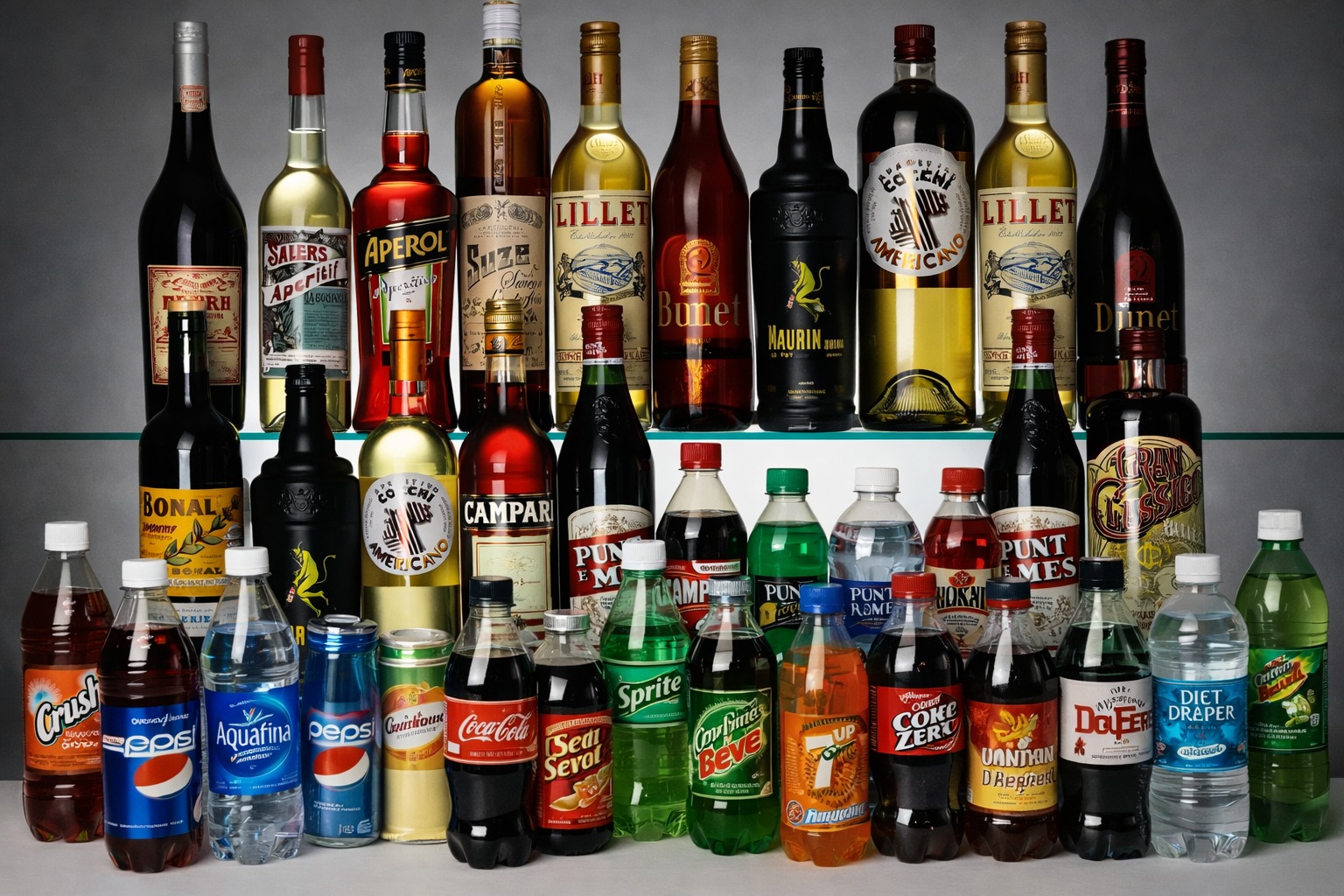
The World Health Organisation has called on Nigeria and other countries to significantly increase taxes on sugary drinks and alcohol, warning that these products are fueling a global health crisis while remaining dangerously affordable.
Speaking to journalists virtually recently, WHO Director-General Dr. Tedros Adhanom Ghebreyesus said the beverages are contributing to rising rates of obesity, diabetes, cancer, and injury-related deaths across the world.
“Health taxes have been shown to reduce consumption of these harmful products, helping to prevent disease and reduce the burden on health systems,” Dr. Tedros said. “At the same time, they generate an income stream that governments can use to invest in health, education, and social protection.”
The call comes as WHO released two new reports examining taxation policies on sugar-sweetened beverages and alcohol worldwide. The findings reveal significant gaps in current tax structures that allow harmful products to remain easily accessible.
According to the report on sugar-sweetened beverages, at least 116 countries currently impose taxes on sugary drinks. However, many high-sugar products escape taxation entirely, including 100 per cent fruit juices, sweetened milk drinks, and ready-to-drink coffees and teas.
The alcohol taxation report shows that 167 countries levy taxes on liquor, wine, and beer. However, WHO noted that alcohol has become more affordable or remained unchanged in price in most countries since 2022, as governments have failed to adjust taxes for inflation or income growth.
Health Risks Mount as Consumption Rises
WHO emphasized the serious health consequences associated with regular consumption of these beverages. Increased intake of sugary drinks is linked to excess weight and obesity, Type 2 diabetes, cardiovascular disease, dental caries, and osteoporosis.
The negative health impacts of alcohol include increased maternal and child health risks, exposure to both communicable and noncommunicable diseases, mental health damage, and an increased likelihood of injury to oneself and others.
For Nigeria, where diabetes cases have been rising and obesity rates continue to climb in urban areas, the recommendations carry particular weight. The country’s healthcare system already faces pressure from preventable lifestyle-related diseases that strain limited public health resources.
To illustrate the effectiveness of health taxes, Dr. Tedros cited the United Kingdom’s experience with a sugar tax introduced in 2018. The policy led to reduced sugar consumption and generated £338 million in revenue in 2024 alone.
Significantly, the UK tax also contributed to lower obesity rates among 10 and 11-year-old girls, especially in economically deprived communities, according to WHO.
The UK example has prompted manufacturers to reformulate products to reduce sugar content and avoid higher tax rates, demonstrating that such policies can drive industry innovation alongside behavioral change.
Implementation Challenges for Nigeria
However, experts acknowledge that implementing similar measures in Nigeria would face distinct challenges. Questions remain about whether manufacturers would reformulate products for the Nigerian market or simply pass increased costs to consumers.
There are also concerns about the impact on low-income Nigerians, who often rely on inexpensive sugary drinks, and whether any revenue generated would be effectively invested in healthcare infrastructure rather than lost to systemic inefficiencies.
Cultural considerations around alcohol consumption, which vary across Nigeria’s diverse religious and ethnic communities, would also need to be carefully navigated in any taxation policy.
WHO’s recommendations form part of a new health initiative targeting tobacco use and excessive consumption of alcohol and sugary drinks together. The organization argues that coordinated action on these products can yield significant public health benefits while generating sustainable funding for health systems.
The call to action comes as noncommunicable diseases such as diabetes, heart disease, and certain cancers increasingly rival infectious diseases as leading causes of death in many developing nations.
Nigeria has not yet announced whether it will heed WHO’s call to raise taxes on these products. The Federal Ministry of Health and relevant tax authorities have not issued official responses to the recommendations at the time of publication.