

Nigeria is facing a reported 9,000 new cases of end-stage kidney failure each month, a figure raised by Dr Charles Ugwuanyi, chief executive of Wellington Neurology and Neurosurgery Hospital in Abuja, on 19 October 2026. The claim brings renewed attention to the health implications of beverage consumption, particularly excessive alcohol intake and sugar-sweetened drinks, although the monthly estimate has not been independently established as a national surveillance figure.
The commercial implications extend across breweries, soft-drink manufacturers, bottlers and retailers as public-health concerns increasingly intersect with debates about sugar consumption, alcohol-related harm and product regulation. However, kidney disease has multiple causes, including hypertension and diabetes, and the available evidence does not establish that beverage consumption alone explains Nigeria’s reported caseload.
A figure requiring context
Ugwuanyi identified hypertension, diabetes, excessive alcohol consumption and indiscriminate medication use as risk factors requiring greater public awareness. His remarks came during the hospital’s 15th anniversary activities in Abuja, where he called for earlier diagnosis, routine health checks and better access to specialist treatment. The reported 9,000 monthly cases should be treated as his estimate, not a verified count of newly diagnosed patients across Nigeria.
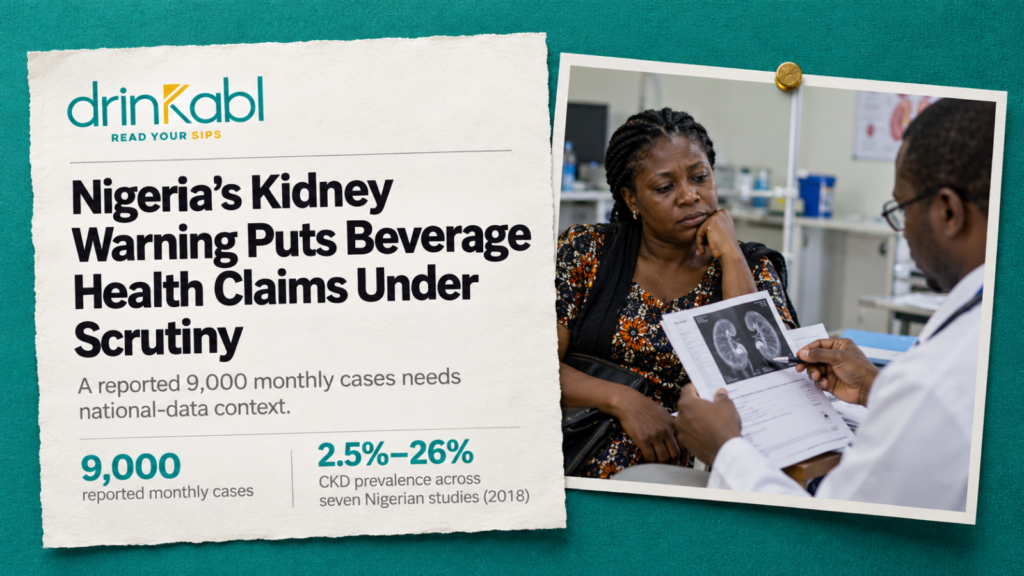
The wider burden is also difficult to measure precisely. A systematic review of seven Nigerian population-based studies, published in 2018, found chronic kidney disease prevalence estimates ranging from 2.5 per cent to 26 per cent, depending partly on the study and method used. Those findings establish a longstanding public-health concern, but they do not validate the newer monthly figure or provide a current national estimate.
Sugar and soft drinks
For non-alcoholic beverage producers, the relevant question is whether consumption patterns and emerging health evidence will intensify scrutiny of products containing added sugar. A 2021 systematic review examined six studies involving 25,455 participants and found a positive association between high sugar-sweetened beverage consumption and chronic kidney disease, but the pooled result was not statistically significant. The findings do not establish that these drinks cause kidney failure in Nigerian consumers.
The debate already has a policy dimension in Nigeria. A proposed change to the taxation of sugar-sweetened beverages has drawn opposing arguments from public-health advocates and manufacturers over consumption, industry output and household costs. A kidney-health warning could add pressure for closer examination of sugar content and consumer information, but it does not independently establish the case for a particular tax rate or demonstrate that such a levy would reduce kidney disease.
Alcohol claims need precision
Alcohol producers face a separate health question. Ugwuanyi identified excessive alcohol consumption among the factors requiring attention, but the relationship between alcohol intake and chronic kidney disease is complex, and research findings vary. A prospective study of patients already living with chronic kidney disease found that regular and occasional binge drinking were associated with faster disease progression after statistical adjustment, particularly among patients with reduced kidney function and proteinuria.
For breweries, spirits companies and distributors, the distinction matters. The Nigerian warning is not evidence that every alcoholic drink causes kidney failure, nor does it quantify the contribution of alcohol to the country’s reported cases. It does, however, place responsible consumption, accurate health communication and the risks associated with excessive drinking within a broader conversation about public health and the drinks trade.
What the industry should watch
The immediate evidence gap is substantial. The monthly estimate needs clarification on its underlying data, definition of a new case and geographical coverage before it can support conclusions about national disease trends or the contribution of individual risk factors. Meanwhile, manufacturers and regulators face questions about how consumer education, product information and prevention policies should respond to the established risks associated with diabetes, hypertension and harmful drinking.
For Drinkabl.media’s coverage, the distinction between a reported health warning and verified national epidemiology is essential. The industry implications are real, particularly for sugar-sweetened beverages and alcohol, but claims linking specific products to kidney failure require stronger, locally relevant evidence than the monthly estimate currently provides.