
NAFDAC’s decision to extend expired 2025 import licences to May 31, 2026 and open a conditional cargo release window is a direct response to the clearance chaos that followed the National Single Window platform’s Phase One launch on March 27. For compliant beverage importers, the relief is real. For Nigeria’s counterfeit alcohol problem, the timing is not good.
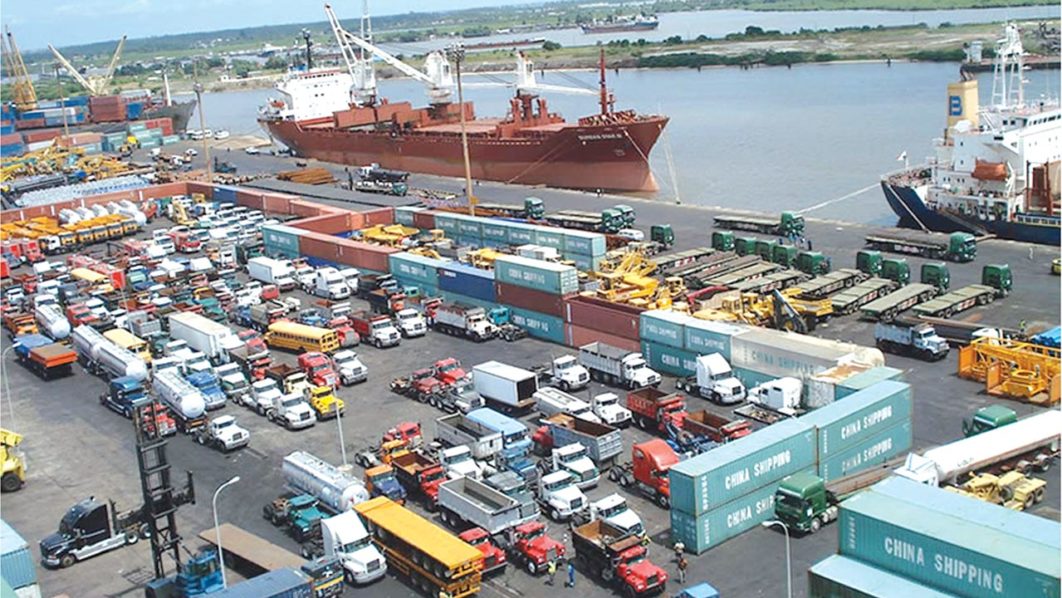
The NSW was designed to cut cargo clearance times from a current average of 18 to 21 days to under 48 hours, per the Secretariat’s own targets. Instead, the platform’s rollout created a backlog of licences, permits and certificates that left legitimate importers with consignments stuck at port, unable to process clearance. The extended licences, now reactivated for use on the NSW platform, and the new provision for conditional release of consignments with minor documentation gaps, address that bottleneck directly.
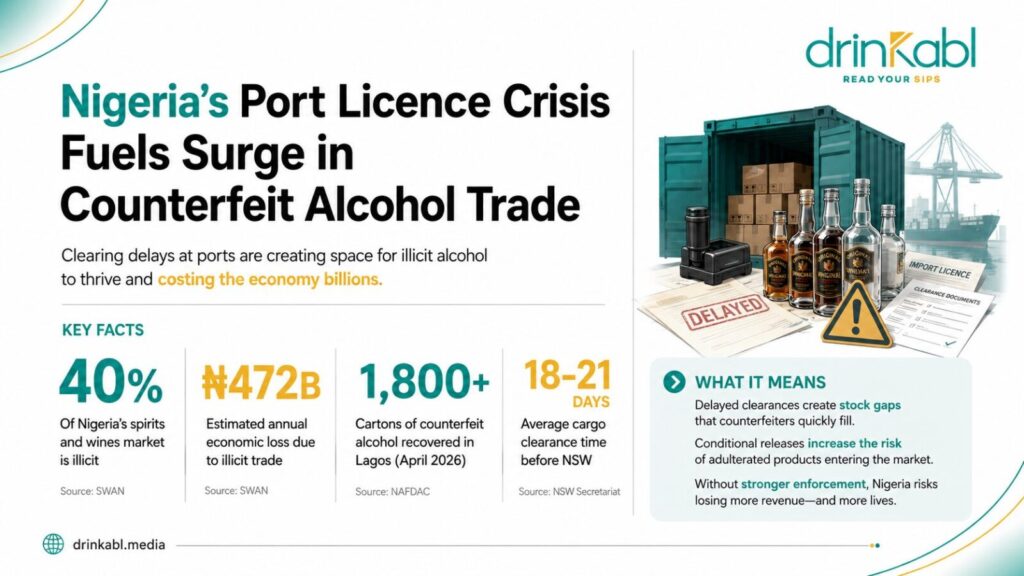
But every week that legitimate alcohol sits blocked at the port is a week that Nigeria’s illicit market fills the shelf space. SWAN, the Spirits and Wines Association of Nigeria, estimates that illicit trade already accounts for roughly 40% of the country’s spirits and wines market, costing the economy an estimated ₦472 billion annually, according to figures presented by the association at a media briefing earlier this year. As Drinkabl.media has reported,the counterfeit alcohol crisis in Nigeria is not a peripheral problem ,it is structured, organised and accelerating.
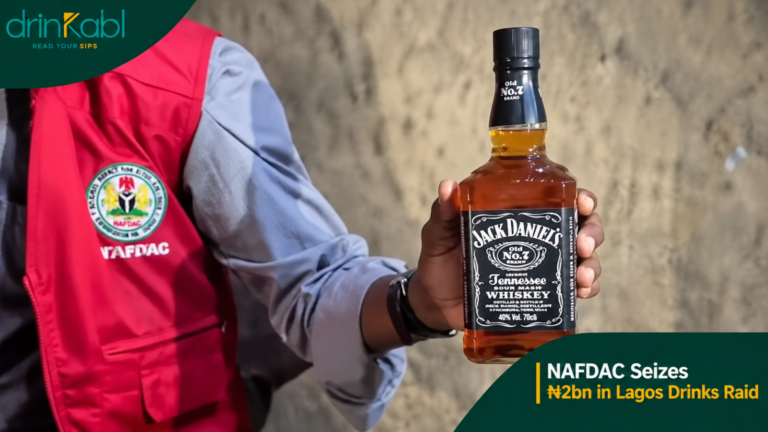
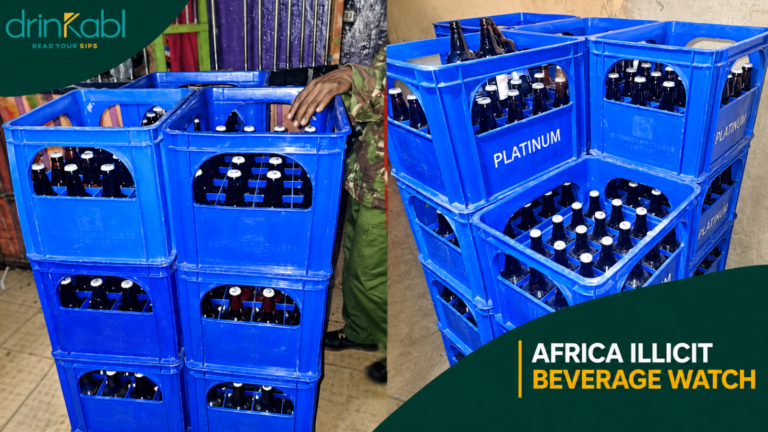
NAFDAC’s own enforcement record makes this concrete. In April 2026, the agency dismantled two illegal production sites in Lagos, recovering more than 1,800 cartons of counterfeit and adulterated beverages valued at approximately ₦350 million from facilities at the Trade Fair Complex and Lagos Island. Officers found mixing tanks, improvised filtration systems and cloned branded packaging on site. Syndicates, per SWAN, routinely collect empty branded bottles from bars and nightclubs to refill with toxic mixtures, a supply chain that operates in parallel to the formal import market that is now under licence pressure.
The conditional release measure introduces a specific risk in this context. The provision allows consignments with minor documentation gaps to clear port where no major regulatory risk is identified. That is a reasonable commercial accommodation under normal circumstances. But it places additional pressure on port inspection officers to make fast judgments about product legitimacy at a moment when the agency’s own administrative systems are under strain. The more porous the clearance gate, the more opportunity for adulterated product to transit through it.
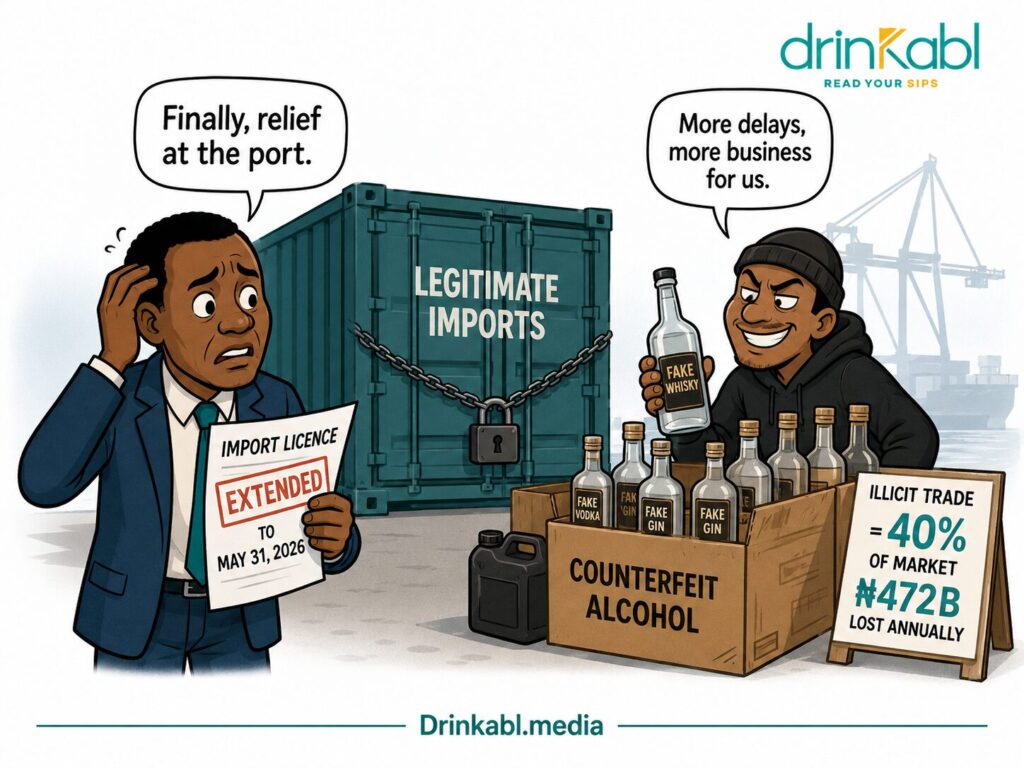
As Drinkabl.media reported in March,Nigeria’s beverage sector is absorbing simultaneous pressure from the sachet alcohol enforcement dispute, a proposed three-year excise framework, and now operational disruption at the ports. The NSW licence extension buys compliant importers time. What it does not buy is confidence that the transition will close the gap that counterfeiters have spent years exploiting.
Read More
For Drinkabl.media’s reporting on the scale of Nigeria’s counterfeit alcohol crisis, read When Will Enough Finally Be Enough on Counterfeit Drinks In Nigeria?
For deeper context on the regulatory forces reshaping Nigeria’s alcohol market in 2026, read Africa’s Drinks Industry Has a Sober Problem, and a Bigger Opportunity on Drinkabl.medi