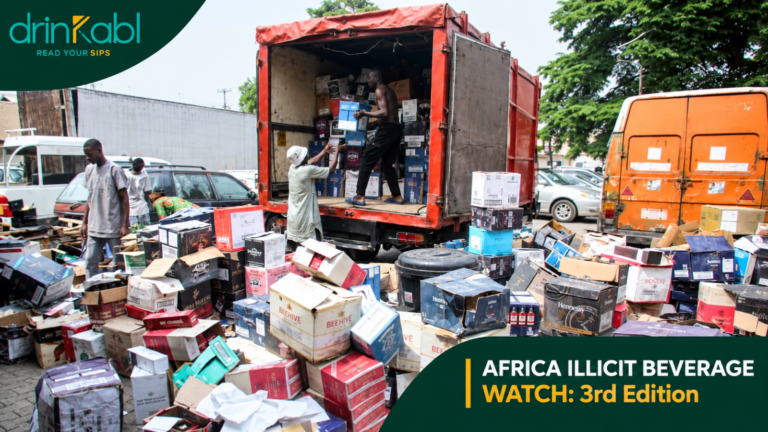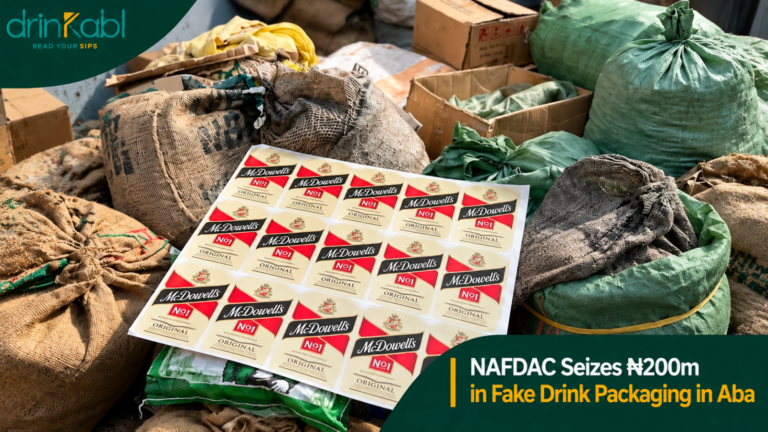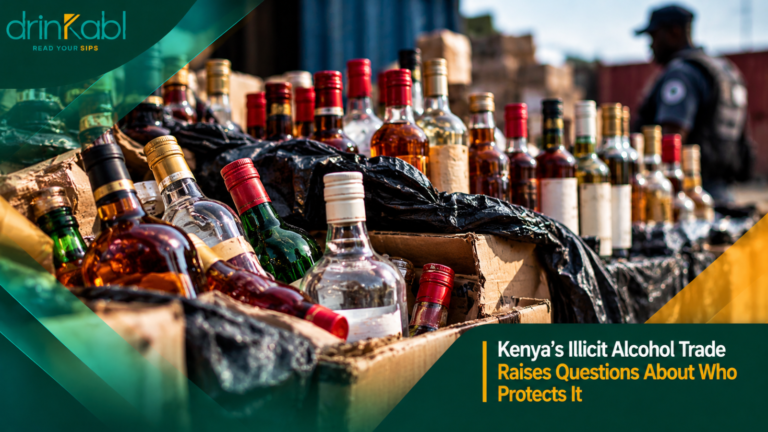
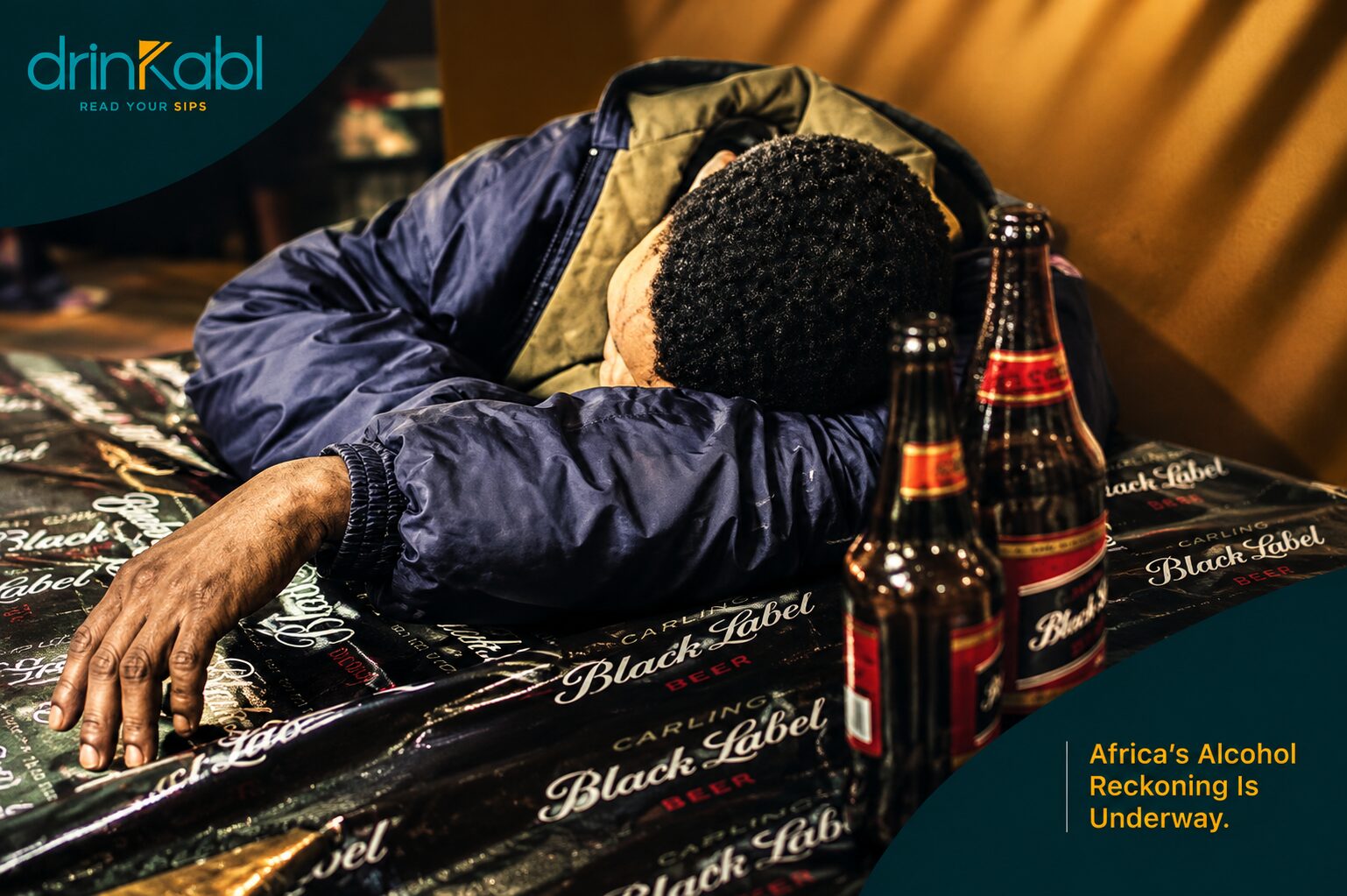

Africa’s alcohol industry is entering a more interventionist era, but not through a single continent-wide law. Governments across the region are tightening packaging rules, taxation, advertising, licensing and age limits at different speeds, and in 2026 several of those efforts have moved from policy debate into actual enforcement. Nigeria and Rwanda are furthest along. Kenya, Ghana and South Africa are pushing major legislative changes, while Uganda is combining tax increases with a renewed push for comprehensive alcohol law.
The World Health Organization’s SAFER framework identifies five high-impact interventions: restricting availability, drink-driving enforcement, treatment access, advertising restrictions and higher taxes. Nearly every regulatory move described below maps onto one of those five levers. The industry’s counterargument is consistent too: raise prices or restrict formal alcohol too aggressively, and consumers migrate toward unrecorded, and often more dangerous, alternatives.
Nigeria: the most consequential story right now
Nigeria’s National Agency for Food and Drug Administration and Control began enforcing a ban on alcohol sold in sachets and bottles under 200ml in January 2026, following a five-year phase-out period. The enforcement has been chaotic. The Senate backed the ban in December, the Office of the Secretary to the Government of the Federation suspended it, NAFDAC resumed enforcement in January citing the Senate’s directive, and the government halted it again in February over concerns about economic disruption. Drinkabl’s own reporting from Katampe market in Abuja found sachet alcohol still openly for sale despite the back-and-forth, with one wholesaler shrugging off the ban entirely.
Behind that enforcement fight sits a bigger structural shift. Nigeria launched its 2026 to 2030 National Alcohol Policy in August, setting targets that include a 20% cut in per-capita consumption, a 30% reduction in alcohol-related road deaths, and screening or treatment services in up to 800 health facilities by 2030. The policy arrives alongside a new three-year excise schedule that took effect on 1 July 2026, raising beer and stout duty to ₦72 per litre this year and ₦80 per litre by 2028, with spirits taxed at 30% plus ₦75 per litre. Nigeria is tightening regulation and raising taxes at the same time, without fully resolving whether either measure pushes drinkers toward the informal market it is also trying to shrink.
Kenya: 18 could become 21
Kenya’s Alcoholic Drinks Control (Amendment) Bill, tabled in August 2026, would raise the legal drinking age from 18 to 21 and bar anyone under that age from working in or entering premises where alcohol is made, stored or sold. The bill’s sponsor, MP Alfah Ondieki, argued in the bill’s memorandum that an 18-year-old is “still not mature enough” to understand the implications of drinking. The proposal builds on a National Authority for the Campaign Against Alcohol and Drug Abuse policy from 2025 that already raised the recommended drinking age to 21 and barred alcohol sales near schools, hospitals and sports venues.
Kenya’s tax authority has also shifted excise toward alcohol content rather than beverage volume, taxing beer and fermented drinks at KES22.50 per centilitre of pure alcohol. That is a meaningful signal for product strategy across the region: regulators are increasingly asking how much alcohol is actually in a product, not just how many litres of it were sold.
Rwanda: the most dramatic enforcement action on the continent
Rwanda’s crackdown this year is less about policy design than an active public health emergency. The Rwanda Food and Drugs Authority closed more than 130 alcohol manufacturing facilities in the first days of August 2026, revoked their licences, and ordered nationwide recalls after Health Minister Sabin Nsanzimana reported that more than 50 people had died and over 500 had been hospitalized after drinking contaminated liquor since the start of the year. Roughly 100 people also lost their sight. The regulator went on to suspend 52 imported alcohol brands from six countries, including Uganda, Tanzania and Kenya, pending safety checks.
Nsanzimana called the crisis “an epidemic.” President Paul Kagame has defended the crackdown publicly, arguing that public safety outweighs commercial concerns. Rwanda’s experience shifts the regional conversation in an important way, from asking how much people should drink toward asking whether regulators can guarantee that what is on the shelf is actually safe.
South Africa and Ghana: advertising becomes the battlefield
South Africa is weighing the most sweeping advertising restrictions on the continent. A private member’s bill introduced in September 2025 proposes a comprehensive ban on alcohol advertising, promotion, product placement and event sponsorship, a serious threat to an industry that has long used sport, music and culture to reach consumers. President Cyril Ramaphosa said in February that government was also considering minimum unit pricing and higher excise duties, and the country’s 2026 budget raised alcohol and tobacco excise by 3.4%. The Drinks Federation of South Africa has cited industry-funded research putting the sector’s economic contribution at roughly R226.3 billion, a figure worth treating as an industry estimate rather than independent government data.
Ghana’s government announced plans in February 2026 for an Alcohol Control Regulations Bill to tighten advertising oversight, though the bill had not appeared on Ghana’s 2026 parliamentary bill list as of this writing, so it remains a proposal rather than law. Ghana already restricts alcohol advertising on television and radio between 6am and 8pm and bars ads that link alcohol to sporting or sexual achievement. The 2026 push is better understood as an attempt to strengthen an existing framework than a country discovering the issue for the first time.
Uganda’s parallel pressure, and the market nobody is shrinking
Uganda, whose 12.48 litres of pure alcohol consumed per adult in 2019 was among the highest recorded in the WHO’s African region, doubled its minimum excise duty on imported spirits under tax changes that took effect on 1 July 2026. The Uganda National Bureau of Standards has also raided illegal distilleries as part of a crackdown on poisonous alcohol, while a broader Alcoholic Drinks Control Bill covering manufacture, advertising and a higher minimum age remains before parliament.
None of this is happening in a shrinking market. IWSR data shows locally produced beer accounted for roughly 97% of Sub-Saharan African beer volume in 2025, with total beverage-alcohol volumes up about 1% and ready-to-drink products up 11%. That growth is exactly why the regulatory fight matters commercially. Diageo’s roughly $2.3 billion sale of its East African Breweries stake to Asahi, currently facing a proposed KES15 billion competition reserve requirement in Kenya, shows how consolidation and regulation are now colliding in the same deals.
The real question
Africa is not adopting one alcohol-control model. It is tightening the value chain from multiple directions at once: what gets sold, how it is packaged, who can buy it, how it is taxed and how it is marketed. The industry’s long-standing warning, that pushing formal alcohol out of reach drives consumers toward unregulated products, has real logic behind it. Rwanda’s crisis shows what happens when that informal market turns dangerous rather than merely untaxed.
The more useful question for anyone in this industry is no longer whether African governments will keep regulating. It is how far they go, and what happens to pack sizes, marketing budgets and distribution economics once public health policy starts reshaping the market rather than just taxing it.