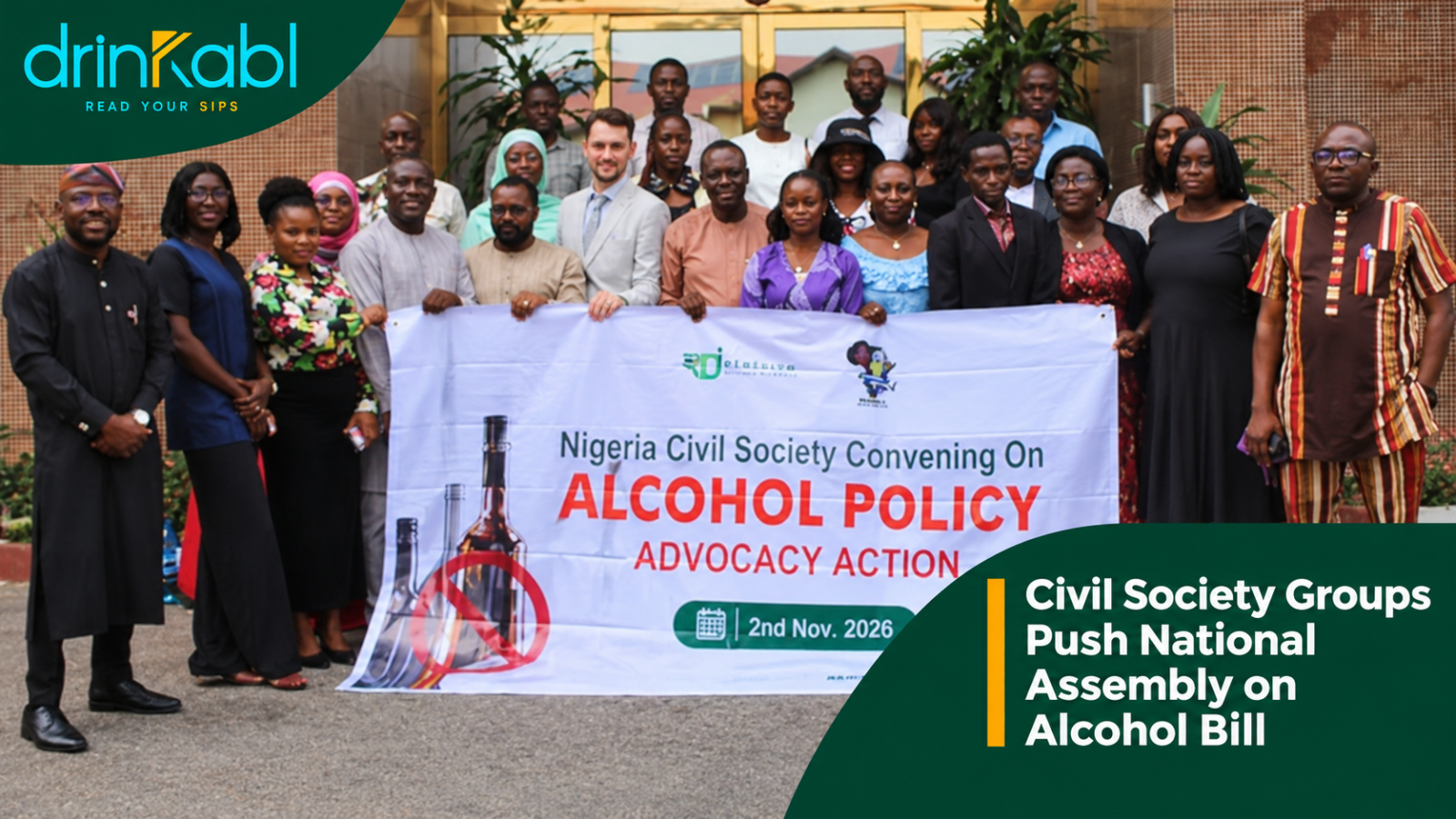

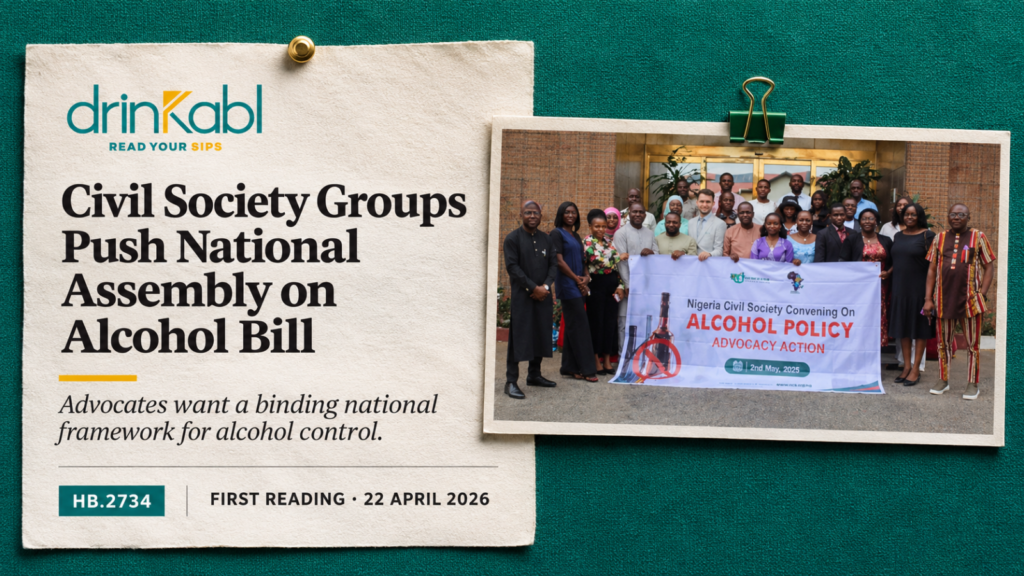
Civil society organisations have intensified pressure on Nigeria’s National Assembly to pass the National Alcohol Control Bill, 2026, arguing that existing regulations have failed to adequately address underage drinking, alcohol marketing and enforcement gaps. The demand followed a one-day advocacy meeting in Abuja on 2 November, with the groups urging lawmakers to advance the legislation before the 10th National Assembly completes its tenure.
The bill, sponsored by Adelegbe Oluwatimehin as HB.2734, has already received its first reading in the House of Representatives on 22 April 2026. Its passage would establish a statutory framework for alcohol control, extending regulation beyond the existing agency-led measures.
The evidence behind the campaign
The groups cited a NAFDAC survey suggesting that 49.9 per cent of minors and underage respondents patronised retailers selling alcohol in sachets and PET bottles. However, the distinction matters: the research was conducted between June and August 2021, covered 1,788 respondents across six states and included children below 13 and adolescents aged 13 to 17. It does not establish that half of nine-year-old Nigerian children drink alcohol.
The advocacy groups also cited alcohol-related mortality estimates of 42,120 liver cirrhosis deaths, 15,365 road traffic deaths and 4,687 cancer deaths. Those figures originate from 2016 estimates and should not be interpreted as current annual death counts. More recent government data puts Nigeria’s total alcohol consumption at 3.2 litres of pure alcohol per person aged 15 and above in 2024.
A national policy takes shape
The campaign comes as the Federal Government implements the Nigeria Alcohol Policy and its Multisectoral Implementation Plan for 2026–2030, launched on 27 August. The framework covers harm reduction, industrial development, inter-agency coordination and accountability. Its existence creates a policy foundation, but the proposed legislation would give lawmakers an opportunity to establish binding obligations and enforcement provisions beyond the current administrative framework.
Industry faces a regulatory test
The debate has direct implications for beverage manufacturers, distributors and informal retailers. NAFDAC’s nationwide enforcement of the sachet and sub-200ml alcohol prohibition has already moved beyond factory inspections to market seizures and product recalls. In October, the agency reported seizing prohibited alcoholic drinks valued at approximately ₦300 million across three Lagos markets, with two traders arrested.
However, the policy remains contested within the industry. Beverage workers’ unions have argued that outright restrictions threaten employment and local manufacturing, while questioning whether the available evidence justifies targeting particular packaging formats. They have proposed stronger age-verification measures and access controls instead. The National Assembly must therefore weigh public health objectives against the consequences for manufacturers, employees and small-scale traders whose businesses depend on the affected products. Industry workers’ objections.
The immediate legislative question is whether HB.2734 will progress beyond its first reading before the 10th Assembly’s 2023–2027 tenure ends. Neither the advocacy communiqué nor the available parliamentary record establishes a passage date or confirms that the bill has reached committee consideration. Its next legislative stage will determine whether Nigeria moves from a national alcohol policy to an enforceable statutory regime.