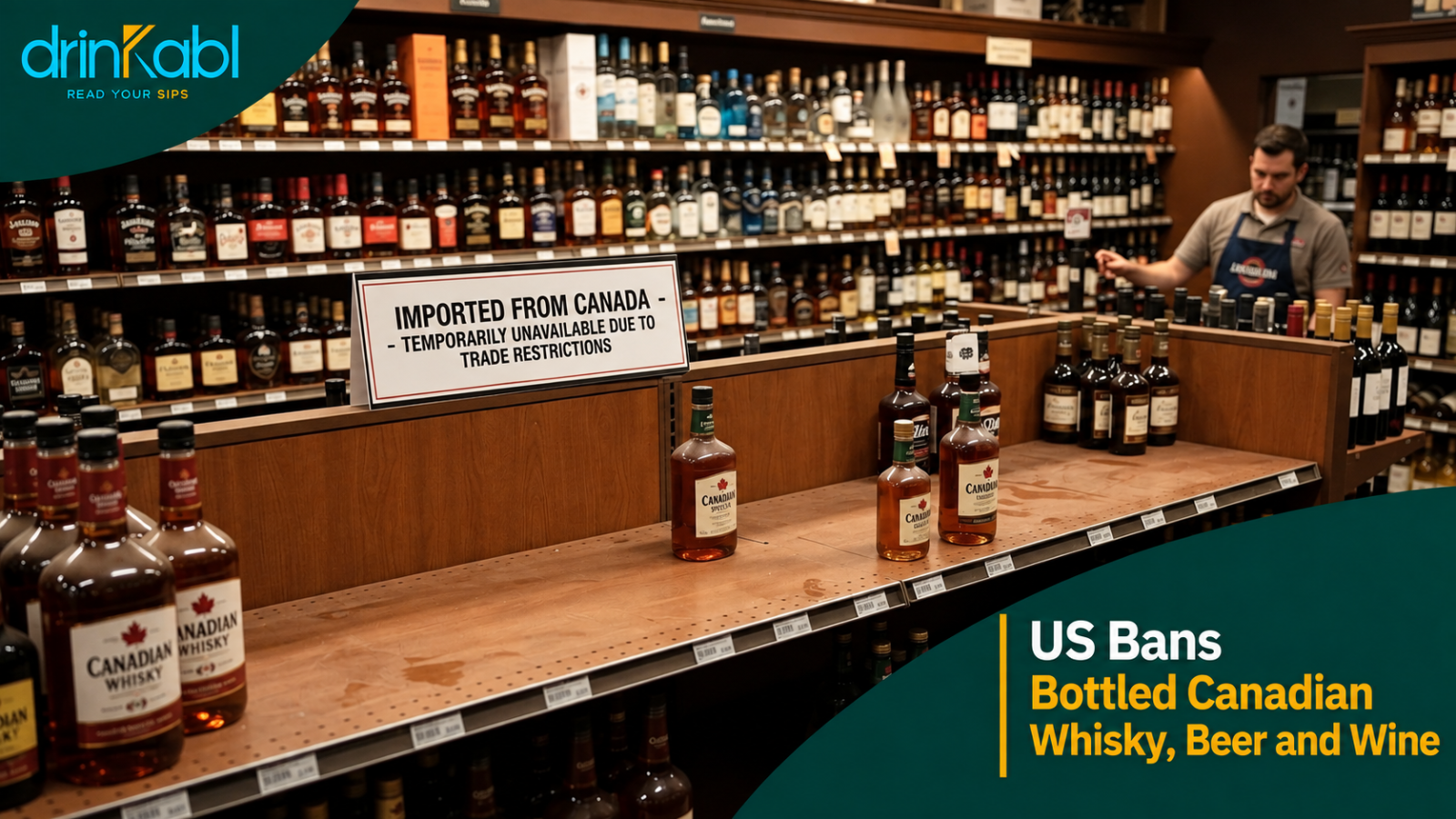

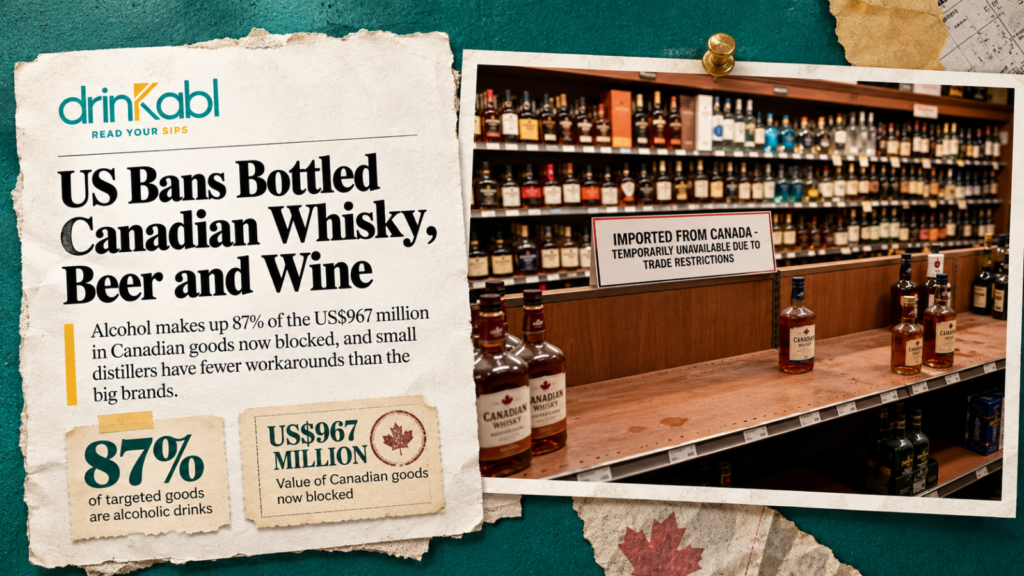
Alcohol makes up 87% of the US$967 million in Canadian goods now blocked, and small distillers have fewer workarounds than the big brands.
The United States began enforcing an import ban on packaged Canadian beer, wine, cider and spirits at 12:01 a.m. Eastern time on 29 September 2026. Some dairy products and motorcycles are covered too. President Donald Trump signed the proclamations on 8 September, turning goods that faced a 50% duty into goods that cannot be imported. This is a trade measure, so there are no deal terms to disclose.
What the ban covers
The alcohol proclamation reaches beer, wine, cider and spirits classed under 53 tariff lines, and for many of them only when the drink is packaged for consumers. Motorcycles and mopeds with engines above 800cc are barred as well. Bombardier Recreational Products in Quebec confirmed that its Can-Am Spyder and Canyon three-wheelers fall under the ban. The company said customers will not feel it until next year because most of this season’s production has already shipped.
Bulk is the way round
Washington still lets many bulk drinks in, and Reuters reported that the owners of Crown Royal, Canadian Club and J.P. Wiser’s could move bottling to the US or ship whisky in bulk. AP noted that Crown Royal can ship in bulk for processing, and that its owner Diageo did not respond to requests for comment. Small distillers bottle at home, so that route is largely shut to them. Wolfhead Distillery in Amherstburg, Ontario, has stopped shipping whiskey to Michigan.
Spirits take the biggest hit
Spirits Canada says about half of Canadian spirits output is exported, and 93% of those exports go to the US. Statistics Canada recorded C$1.4 billion of alcoholic beverage exports to the US in the 2024/25 fiscal year, up 4.1% on the year before. That is the latest full-year figure and it predates this year’s 50% duty.
Little relief at home
Nine of 10 provinces signed a deal on 21 July allowing producers to sell directly to consumers across provincial borders. It does not open retail shelves, which provincial liquor monopolies largely control. John Cote, who runs Black Fox in Saskatchewan, told Reuters he lost money on every bottle of whisky sold at an Ontario event once regulatory costs and a three-week approval wait were counted. A federal spokesperson told the agency there is much more to do to streamline provincial rules. Ontario said on Tuesday it is expanding a C$1 billion financing programme for affected workers and businesses.
Washington’s case
The White House argues that Canadian provinces restricted US alcohol while allowing comparable drinks from other countries, and it also cites Canada’s dairy quota system. Ottawa’s trade office called the measures unjustified. Trade attorney Patrick Childress of Holland & Knight said the 50% duty already worked as a de facto ban, so the economic change is small, and he expects the standoff to run for months rather than weeks.