
A Bengaluru-based food manufacturer best known for its Shark Tank-featured cake tubs is now building out a beverage contract manufacturing arm, betting that the functional soda category in India has reached the moment it needs credible private-label production partners.
Fatema Barodawala, co-founder of Cakelicious, says the company recently completed development work on a clean-label energy soda for a brand client, taking the product from formulation through manufacturing readiness. The brief, she says, was specific: not another high-sugar energy drink with artificial ingredients and a crash attached, but something carbonated, functional, and ingredient-transparent. That brief describes the direction the Indian functional beverage category is actually moving.
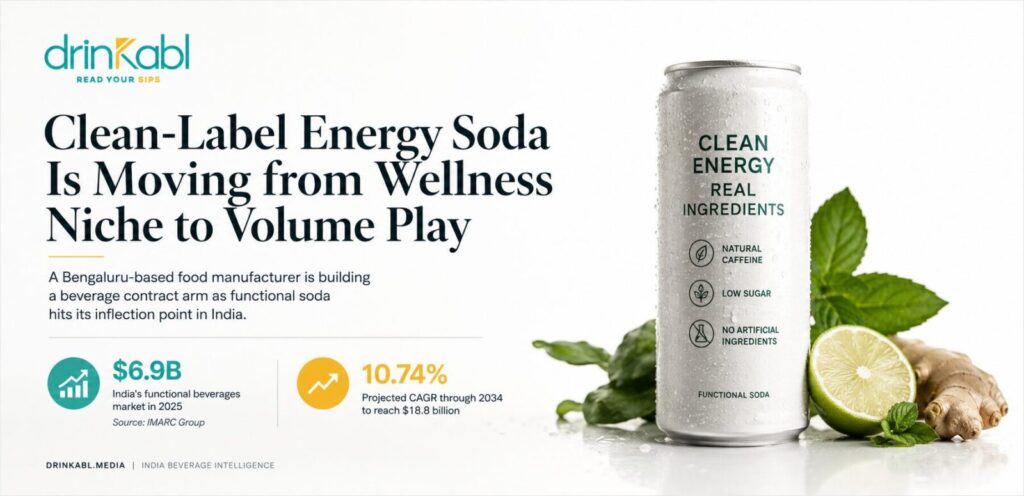
The numbers behind it are not speculative. According to IMARC Group, India’s functional beverages market reached USD 6.9 billion in 2025 and is projected to grow at 10.74% annually through 2034, reaching USD 18.8 billion. Energy drinks and shots are the fastest-growing segment within that market. Underneath the headline figure, a structural shift is underway: consumers, particularly urban millennials and Gen Z, are not abandoning carbonation. They are demanding a different ingredient story inside the can. Lower sugar, natural caffeine sources, clean labels, functional claims that hold up on examination. Traditional energy drinks built on synthetic caffeine, taurine, and artificial colouring are losing ground to formulations that can be read and understood on the label.
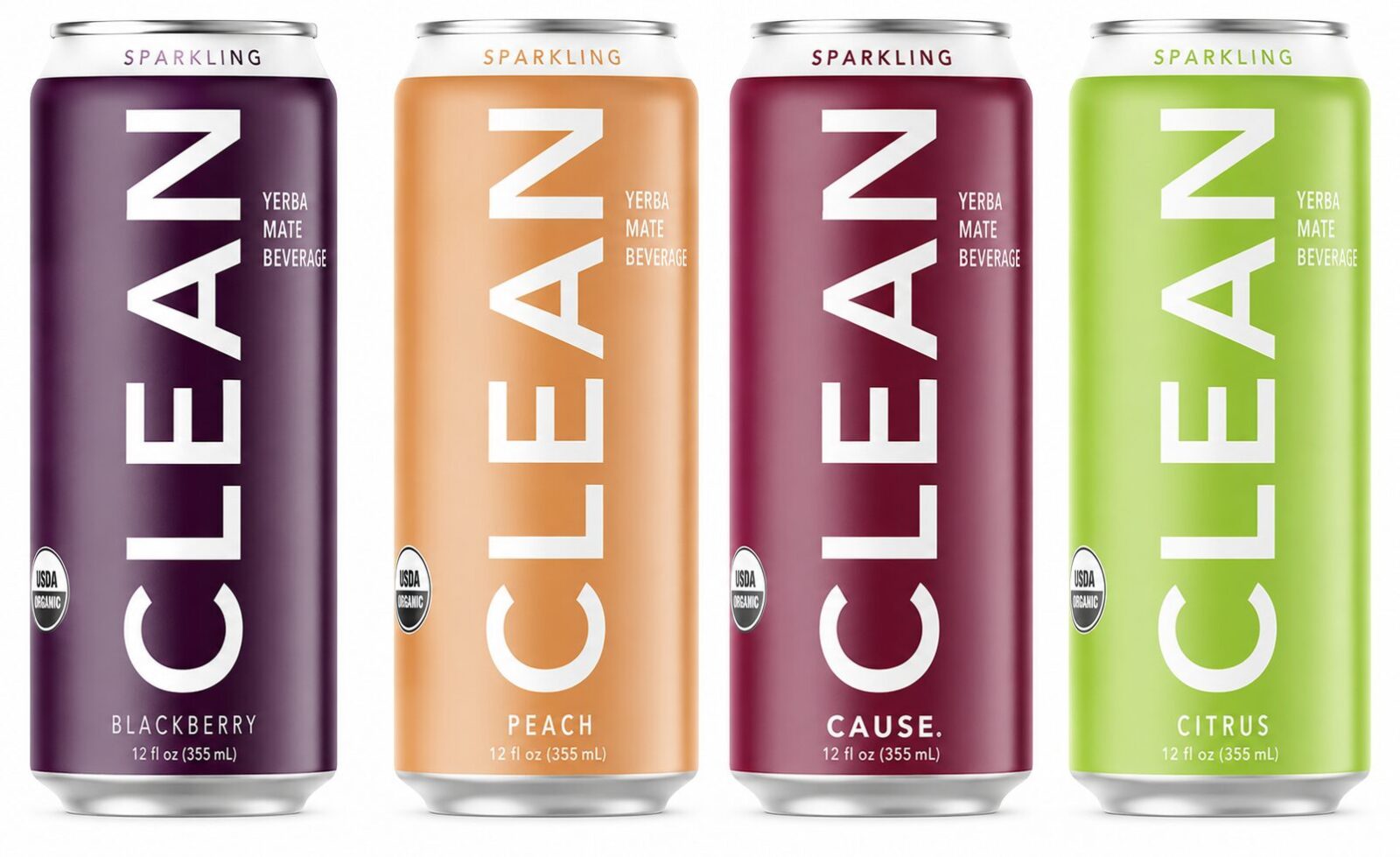
This is precisely the opening that made PepsiCo spend USD 1.95 billion on prebiotic soda brand Poppi in 2025. Coca-Cola responded with its own gut-health play, Simply Pop. Both companies are betting that functional soda is not a niche but a structural shift in how younger consumers want to drink. When two of the world’s largest beverage companies commit that kind of capital to a category within months of each other, the direction of travel is settled.
India’s version of that shift has its own texture. Consumer appetite for Ayurvedic and herbal ingredients including tulsi, ashwagandha, and amla is layering a locally rooted functional vocabulary onto the global clean-label trend. FSSAI updated its functional beverage labeling framework in 2024, creating clearer approval pathways now opening distribution in modern retail at scale. A generation of D2C beverage brands is absorbing the lesson that taste cannot be sacrificed for wellness credentials: a functional drink that tastes medicinal does not get a second purchase.
The formulation challenge Barodawala describes is real. Balancing carbonation, energy functionality, shelf stability, and a clean ingredient list without compromising taste is not a desk exercise. Carbonation affects ingredient stability. Natural caffeine sources behave differently across temperature ranges than synthetic ones. Sweetener systems that work in still beverages can read differently in sparkling formats. Getting all of this right in a formulation that survives commercial-scale production, not just the R&D kitchen, is where most emerging functional beverage brands hit their first wall.
The low minimum order quantity positioning Cakelicious is offering addresses a genuine gap. Most contract manufacturers in India’s beverage sector operate at volumes that exclude early-stage brands or regional players testing a new SKU. That gap is what gives smaller manufacturers a commercial opening, in a market where this publication has tracked the non-alcoholic segment expanding rapidly as health-conscious consumption cuts across income groups and geographies.
Whether Cakelicious’s beverage division can hold its ground against established beverage contract manufacturers will depend on its certifications, capacity, and the commercial record it builds from here. The functional soda category will not wait for laggards. The brands building it now are the ones most likely to own the shelf position when the segment matures.
Read More