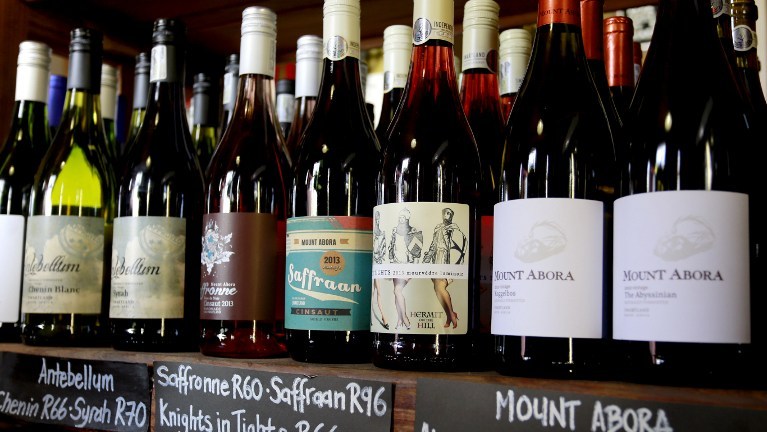

South African wine portal wine.co.za has formalised a content distribution agreement with Lagos-based beverage platformBottleKing, giving the Nigerian retailer exclusive rights to carry wine.co.za’s editorial coverage across Nigeria and the wider West African market.
Under the arrangement, BottleKing will integrate a dedicated news section into its platform, powered by wine.co.za, reporting on South African winemakers, vintage releases, and industry trends. The partnership extends the Cape-to-Lagos flow of trade content at a moment when Nigeria’s position as South Africa’s largest African wine market by volume is well established. Per data from SA Wine Industry Information and Systems (SAWIS), Nigeria imported more than 4.2 million litres of South African wine in 2024, leading all other African destinations.
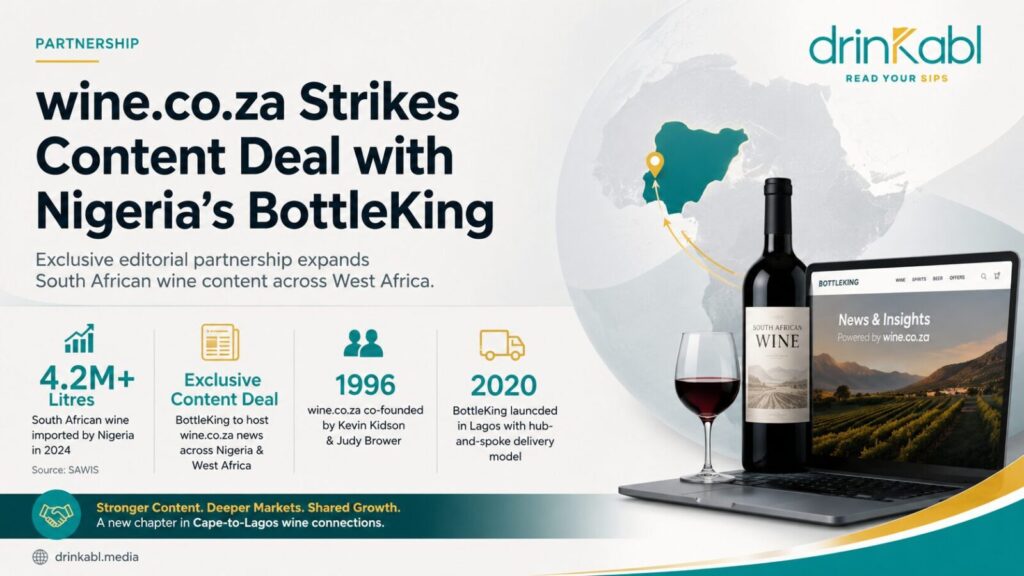
For wine.co.za, the collaboration opens distribution into a market the portal has not previously served through a dedicated commercial partner. Co-founded in 1996 by Kevin Kidson and Judy Brower, wine.co.za operates as South Africa’s primary digital hub for wine industry news, producer directories, and direct-to-consumer sales infrastructure. Kidson is the named spokesperson on the deal.
For BottleKing, the editorial integration adds a content layer to a logistics and e-commerce operation that has been building out its distribution infrastructure since 2020. The Lagos-based platform runs a hub-and-spoke delivery model covering wines, spirits, and beer, with a retail presence in Lekki and online orders fulfilled across the city. Founder and CEO Kingsley Edochie, whose background includes audit and enterprise risk work at Deloitte before a decade-long logistics business, launched BottleKing in June 2020. The news feed from wine.co.za represents the company’s first formalised media partnership.
The deal is structured as an exclusive content arrangement rather than a distribution or equity transaction. Neither company disclosed financial terms. As Drinkabl.media has reported, South Africa’s wine producers are actively seeking to deepen African market presence as US-bound exports face tariff pressure, with sales to Africa now exceeding 10% of total export value.
Read More:
Africa’s Drinks Industry Has a Sober Problem, and a Bigger Opportunity
These Are the 20 Nigerian Beverage Companies to Watch in 2026