
A cold drink can be photographed a thousand ways. The best beverage brands know the picture is rarely just about the drink.
It’s about the table around it, the people holding it, the street where it’s opened. The clothes, the music, the food, the weather, the occasion. Photography has become more than a supporting tool in beverage marketing. For many of the world’s biggest drinks brands, it’s part of how consumers recognise what the brand stands for, and Africa offers a genuinely interesting canvas for that.
Before the photograph, there was the advertisement
Beverage advertising didn’t begin with Instagram-perfect product shots. Some of the industry’s most enduring visual identities were built through illustration, typography and characters long before photography took over.
Guinness is the clearest example. The brand’s first official advertisement appeared in the British national press in February 1929, carrying the line “Guinness is Good for You.” What followed was decades of work by illustrator John Gilroy, the famous Guinness toucan, and a string of campaigns that turned the beer’s advertising into a cultural property in its own right.
Every major beverage company advertised. What made Guinness different is that the advertising itself became part of what people recognised as Guinness. The drink stopped being the only thing anyone remembered. The imagery around it became an asset.
Then the picture became part of the product
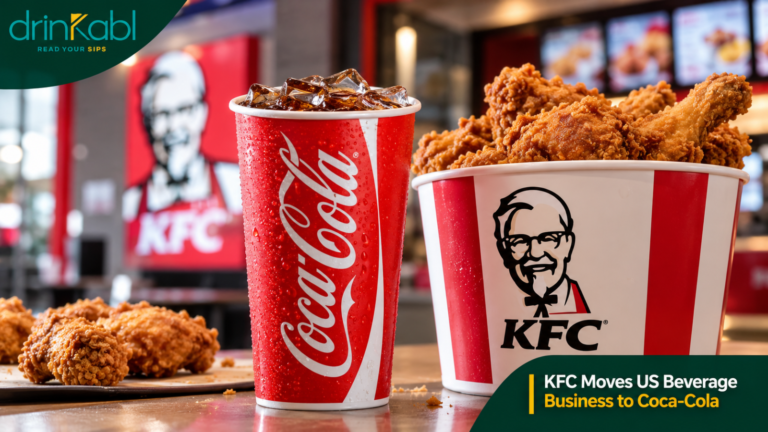
Photography sped that process up. There’s a real difference between a bottle of Coca-Cola shot against a plain background and the same bottle opened at a crowded table, surrounded by friends. One shows you what the product looks like. The other shows you where it belongs.
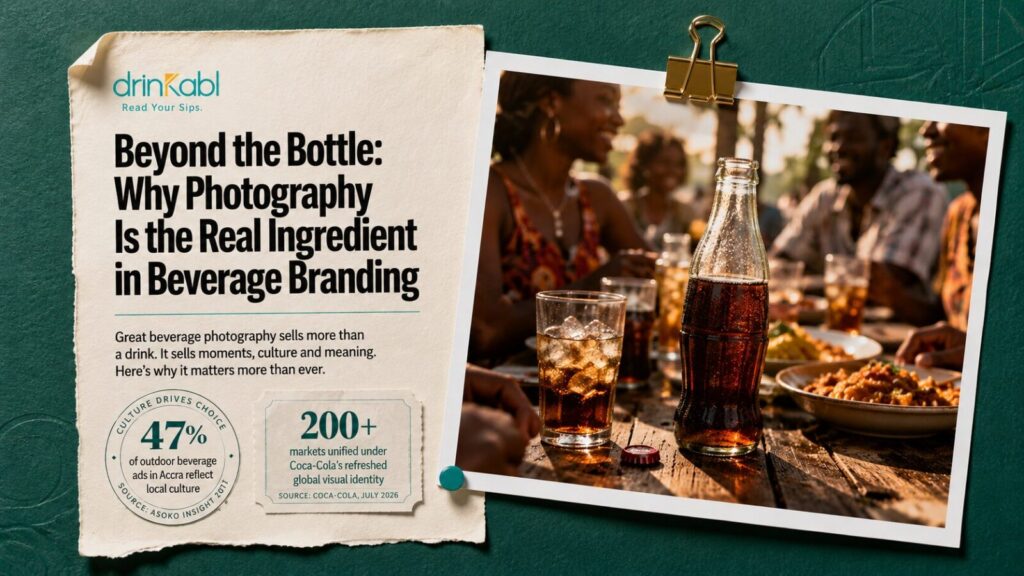
Coca-Cola’s Taste the Feeling campaign is a good example of how deliberately this gets built. Launched globally in 2016, it ran more than 100 campaign images shot by fashion photographers Guy Aroch and Nacho Ricci, capturing people enjoying the drink in ordinary situations, built for outdoor advertising, retail and digital media alike. That’s a long way from taking a nice picture of a bottle. It’s the construction of a visual world.
The drink is often the least interesting thing in the picture
This is where beverage photography gets commercially clever. A beer on a table is a product. A beer on a table after a football match is an occasion. A soft drink beside a plate of food is a meal. A cocktail in a dimly lit bar is a night out. A bottle of water beside someone finishing a run is performance and wellness.
The liquid hasn’t changed. The meaning has. Photography gives brands a way to attach a drink to a specific moment in someone’s life, which matters because people don’t buy drinks only for the ingredients. They buy them for occasions, habits, memories and sometimes status, and the photograph is what makes those associations visible.
Africa makes the question more complicated
For African beverage brands, the challenge isn’t making a drink look desirable. It’s making it look like it belongs. A 2017 study of outdoor non-alcoholic beverage advertising in Accra examined 77 ads and found that almost half carried some form of local cultural relevance, including Ghanaian people, sport or national symbols.
That matters because a beverage doesn’t exist apart from the culture consuming it. The roadside shop, the football viewing centre, the family gathering, the wedding, the Friday night out, none of these are just backdrops for a product shot. They’re part of what the beverage actually means commercially, and that’s an opportunity: instead of shooting a product in a studio, brands can build their visual identity around the places and occasions that genuinely define their markets.
Guinness understood this long before social media
Guinness’s own advertising moved from Gilroy’s imaginative animals to campaigns built around people and worlds far removed from the original Dublin brewery, from toucans and surfers to its Sapeurs campaign. The lesson isn’t that African culture should become another advertising costume. It’s that a brand becomes culturally recognisable by understanding the world its consumers actually live in.
There’s a real difference between photographing Africa and understanding it. A campaign can have African faces, colourful clothing and a recognisable location and still feel completely artificial. Consumers notice. The strongest imagery tends to start with a harder question: what does this brand genuinely mean in this culture?
The risk of making Africa look like a stock photograph
There’s a familiar visual formula across global advertising: beautiful young people, perfect lighting, colourful clothes, a conveniently placed product, an exaggerated smile. It can look impressive. It can also look like nobody actually lives there.
African beverage brands face an added temptation, turning “African-ness” itself into an aesthetic. But Africa isn’t an aesthetic. It’s 54 countries, thousands of cultures, different income groups, languages, climates and drinking occasions. A Lagos night isn’t a Nairobi afternoon. A Ghanaian drinking occasion doesn’t automatically translate to a Nigerian one. A Johannesburg lifestyle shot can’t just be relabelled and dropped into another market. The more brands compete for cultural relevance, the more specificity matters.
Social media raised the stakes
Consumers now encounter brands constantly, not just on a billboard but across Instagram, TikTok, delivery apps, retailer pages, influencer posts and menus. A brand is effectively publishing a visual stream, which means one beautiful campaign every few years isn’t enough. It needs a consistent visual language.
Coca-Cola’s current design system makes that principle explicit. In July 2026, the company rolled out a refreshed global visual identity meant to make every Coca-Cola execution instantly recognisable across packaging, retail, equipment and digital, in more than 200 markets. Photography sits inside that wider challenge. The question isn’t “is this photograph beautiful,” it’s whether someone could recognise the brand’s world before they even see the logo.
The next opportunity for African beverage brands
African beverage companies have something many global brands spend a fortune trying to manufacture: real cultural texture. Markets, bars, homes, music scenes, sporting occasions, street food, festivals and family gatherings offer an enormous visual vocabulary. The opportunity isn’t to photograph everything, it’s to decide what the brand wants to own.
Does a water brand want to own everyday vitality? Does a beer brand want to own friendship and football? Does a coffee brand want to own African origin and modern craft? Photography can make those answers visible.
The real ingredient
The best beverage photograph doesn’t just make you thirsty. It makes you recognise yourself in the moment. The bottle tells you what the product is; the photograph tells you what it means, and for African beverage brands, that distinction is only going to matter more.
The next generation of drinks brands won’t compete only on shelf space, price or distribution. They’ll compete over which ones can build a world consumers recognise, want and feel they belong to. And sometimes the most powerful part of that world isn’t inside the bottle at all. It’s the picture around it.