
Water is easy to overlook until the body starts sending signals. For people working long days, spending hours outdoors, exercising, travelling or simply moving through hot weather, hydration can become an afterthought. Yet water is involved in basic functions including temperature regulation, waste removal and normal bodily function.
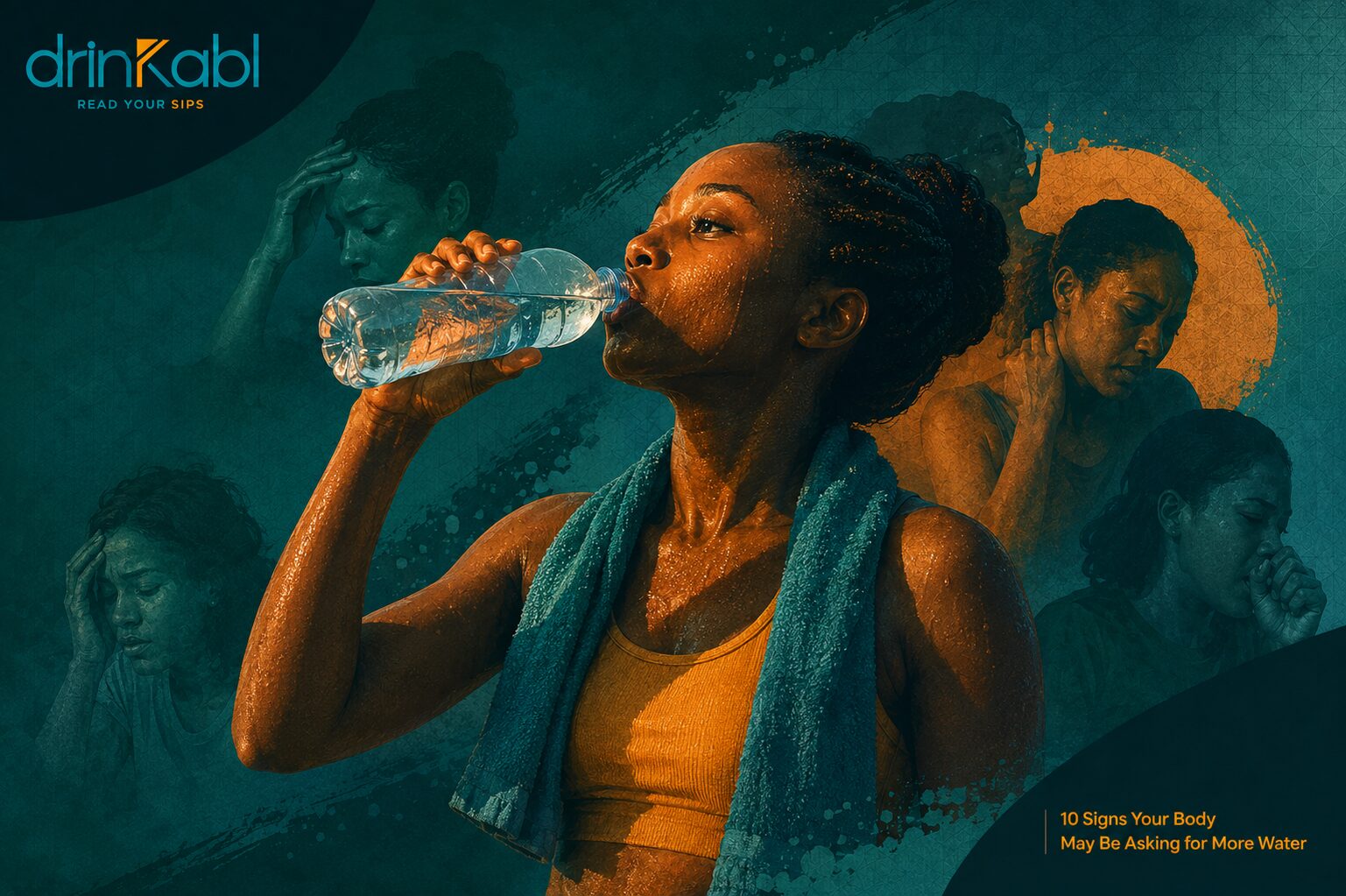
There is no single amount of water that works for everyone. Fluid needs vary by activity, climate, age and health status, while food and other beverages also contribute to total intake. Rather than obsessing over a universal number, here are 10 signs that may indicate you need to pay more attention to your fluid intake.
1. You are unusually thirsty It sounds obvious, but thirst is one of the body’s clearest signals. If you regularly go much of the day without drinking and finish it feeling intensely thirsty, your routine may simply not supply enough fluids.
2. Your urine is consistently dark yellow. Urine colour is a useful everyday clue. The NHS notes that pale yellow urine generally signals adequate hydration, while dark, strong-smelling urine can point to dehydration. It isn’t a perfect diagnostic tool, but it’s easy to notice.
3. You are urinating less often. A noticeable drop in how frequently you urinate can accompany dehydration, especially alongside thirst or dark urine.
4. You are getting headaches. Headaches have many causes, but dehydration is a recognised contributor. That doesn’t mean every headache calls for a glass of water, but hydration is worth considering after heat, exercise or fluid loss.
5. You feel dizzy or light-headed This can occur with dehydration, particularly after heavy sweating, illness or prolonged heat exposure. Persistent or severe dizziness, however, should not simply be blamed on fluids.
6. Your mouth, lips or tongue feel unusually dry Dry mouth is among the recognised symptoms of dehydration, and it’s easy to miss on a hot day when water gets replaced by coffee or soft drinks.
7. You feel unusually tired. Fatigue has dozens of causes, from poor sleep to illness, but it can also accompany dehydration. Water is not a cure-all, though it is one basic part of looking after the body.
8. You are struggling to think clearly. Dehydration can affect cognitive function. The CDC notes it may contribute to unclear thinking and mood changes, which matters for anyone working long hours or spending time in hot environments.
9. You are becoming constipated. Water supports normal waste removal, and inadequate intake is one possible contributor to constipation, alongside other factors.
10. You are spending more time in heat, exercising or recovering from illness. Sometimes the biggest signal isn’t a symptom at all, it’s a change in circumstances. The body needs more water during physical activity, hot conditions, fever, vomiting or diarrhoea. For African consumers living and working across hot climates, this matters: hydration cannot always be treated as a fixed daily target when fluid losses shift so often.
The Beverage Industry’s Hydration Question
The hydration conversation is also a beverage-market conversation. Consumers don’t get fluids from plain water alone; food and other beverages contribute too, and the choice between water and sugar-sweetened drinks carries nutritional weight.
That creates an interesting space for beverage companies. Hydration isn’t simply about selling more bottled water; it sits at the intersection of health, convenience, affordability, packaging and shifting consumer expectations. For Drinkabl’s audience, that’s where the story grows beyond a wellness checklist. The commuter buying a cold drink, the footballer rehydrating after training and the person swapping a soda for water are all part of the same shift: what people drink is increasingly tied to what they want it to do for them.
The takeaway is simple: pay attention to the signals, drink regularly, and remember that individual needs differ. Anyone with a medical condition affecting fluid intake, or with persistent or severe symptoms, should seek professional medical advice rather than rely on a general checklist.