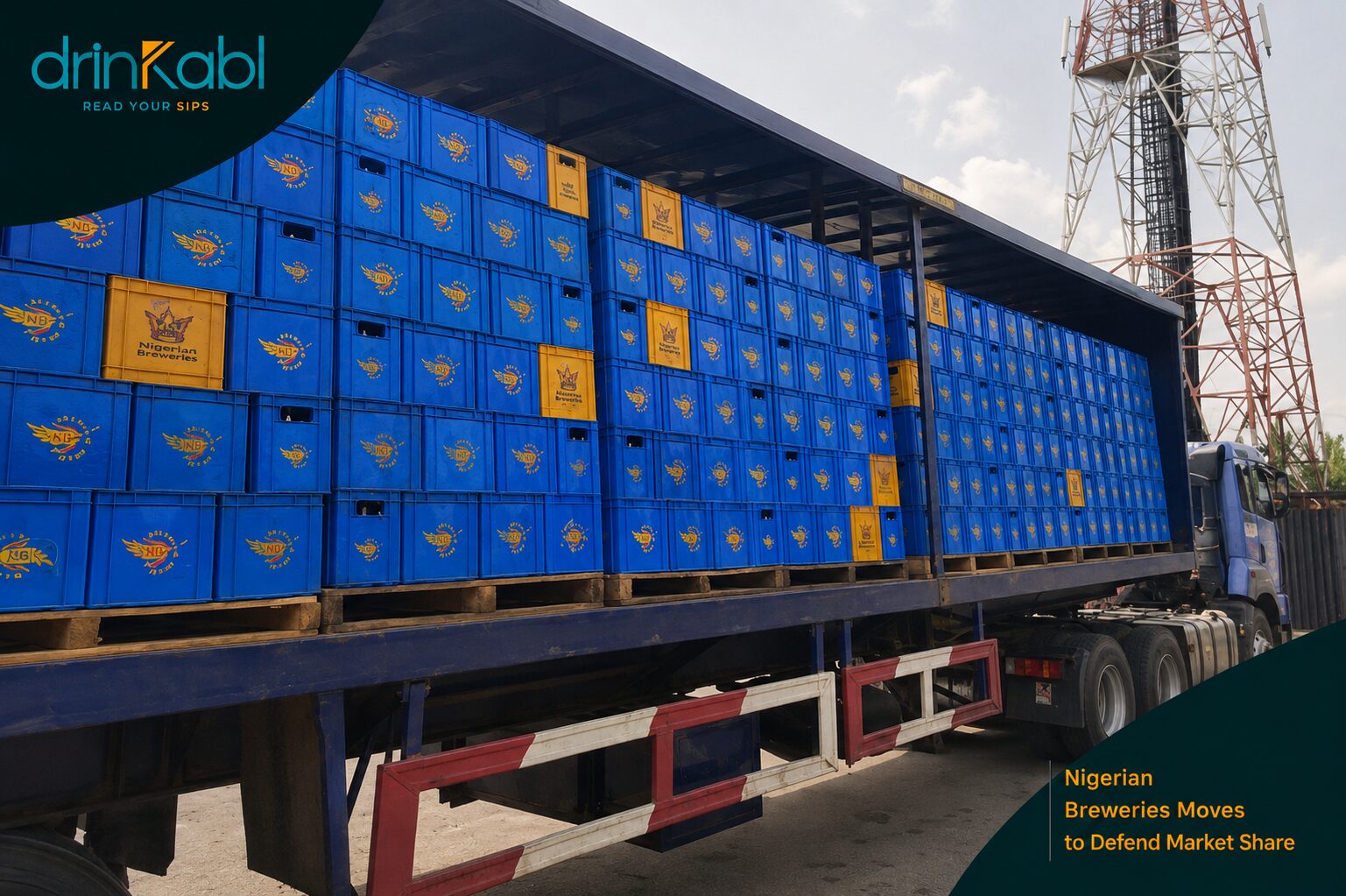

Nigerian Breweries is stepping up consumer and trade activity as competition with International Breweries intensifies in Nigeria’s beer market, with both brewers pouring resources into the bar channel ahead of the 2026 football season.
International Breweries entered the World Cup with four FIFA-authorised brands, Budweiser, Trophy Lager, Hero Lager and Flying Fish, using viewing experiences and trade activations to push visibility across Nigerian bars and outlets. Nigerian Breweries has leaned harder into the same channel. Its Goldberg brand launched the Back to Bars campaign in April, pairing football viewing with consumer rewards for purchases at participating outlets.
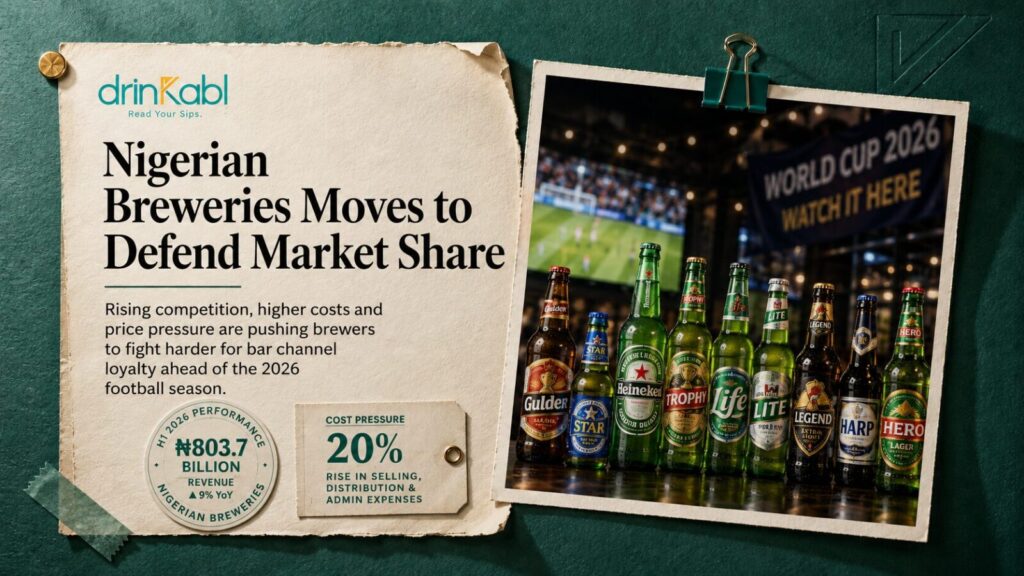
The competition matters because beer economics are shifting. Nigerian Breweries reported revenue of ₦803.7 billion for the first half of 2026, up 9% year-on-year, while operating profit rose 8%. Selling, distribution and administrative expenses climbed 20%, a sign of how costly it has become to defend growth. International Breweries’ own first-half revenue stayed broadly flat at about ₦342 billion, even as it kept investing heavily in advertising and distribution.
Bars and retailers now control a large share of the occasions where consumers pick between competing brands, particularly around football and other social events. International Breweries built its World Cup programme around trade partners and bar operators, while Nigerian Breweries used football-led activations to pull drinkers back into outlets.
Price adds another layer of pressure. Nigerian brewers raised prices earlier in the year as input and operating costs stayed elevated, making affordability a bigger part of the equation for consumers already stretched thin. That squeeze is reshaping the broader competitive picture, one that increasingly extends beyond traditional beer categories as brewers hunt for new growth.
The fight is therefore moving past advertising alone. Brewers must now justify shelf space, retailer attention and consumer spending at the same time operating costs remain high. The rest of 2026 will test which companies can convert trade investment into repeat purchases, a turnaround Nigerian Breweries has only recently begun to manage, as affordability, fiscal costs and activation spend all compete for the same margin.
READ MORE
International Breweries Deploys Four FIFA-Authorised Brands for World Cup 2026
Nigerian Breweries, Guinness Announce Price Hike
Why the Competition Facing Nigerian Brewers Is No Longer Just Alcohol