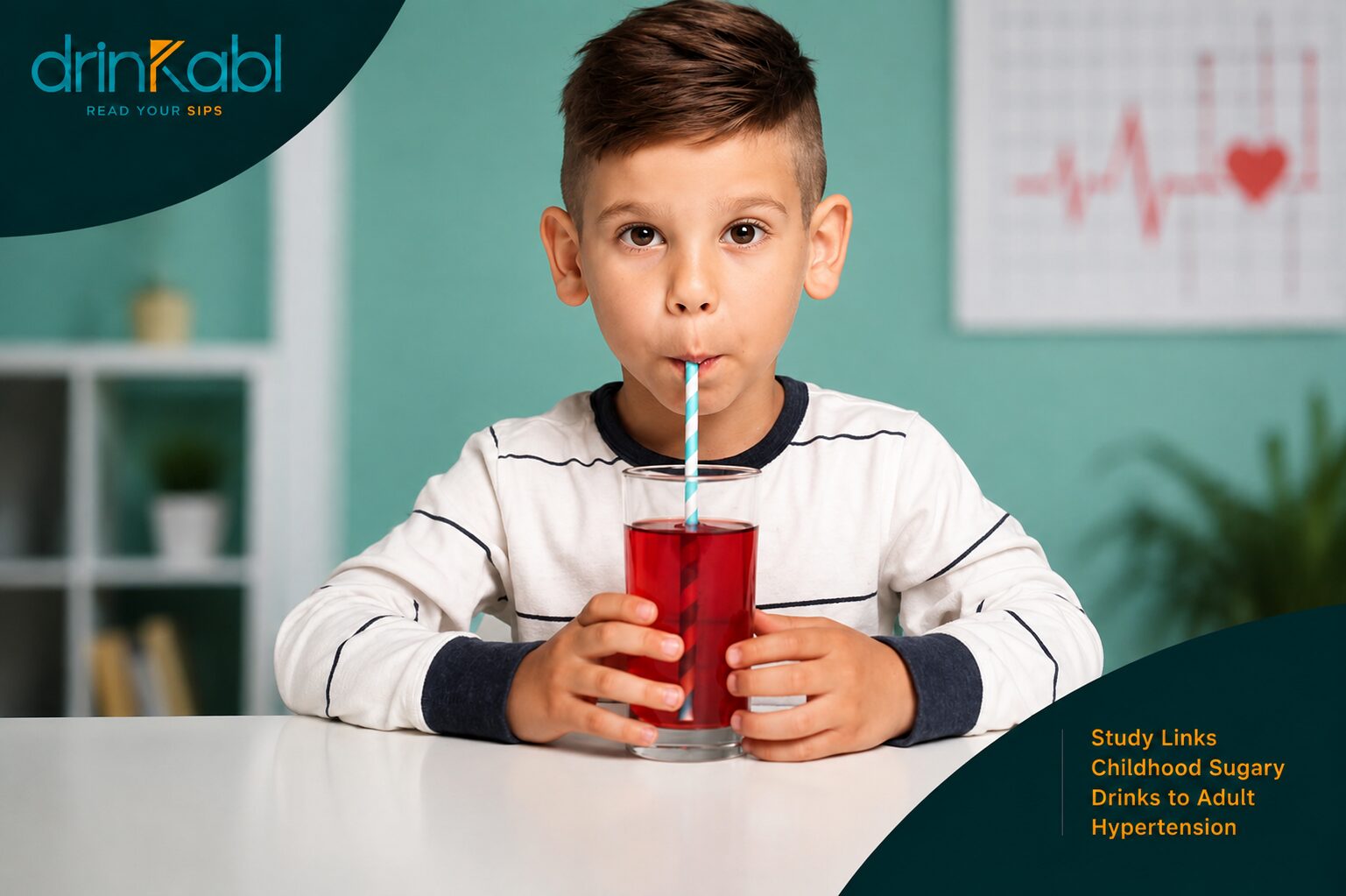

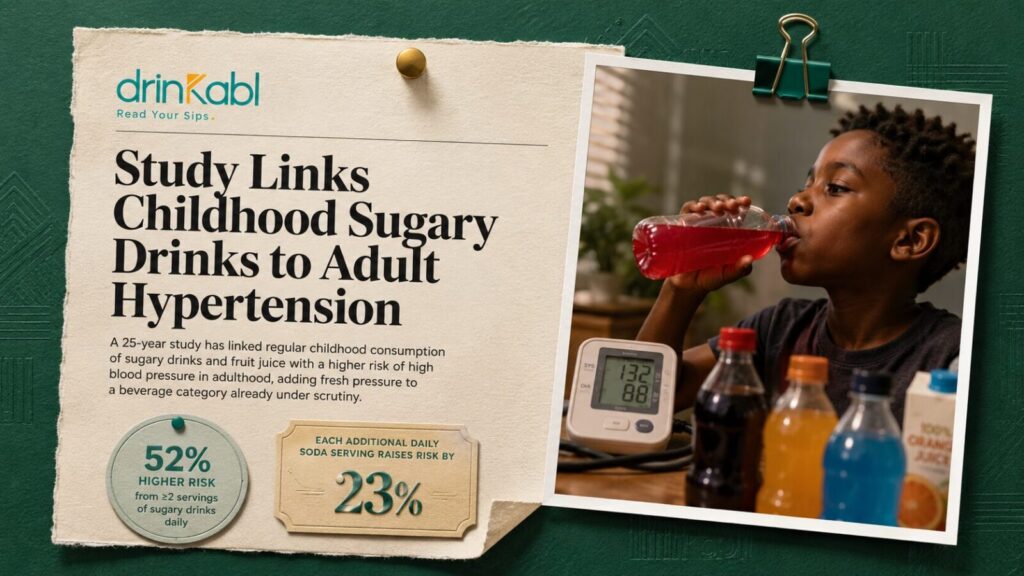
A 25-year study has linked regular childhood consumption of sugary drinks and fruit juice with a higher risk of high blood pressure in adulthood, adding fresh pressure to a beverage category already under scrutiny over sugar content.
The research, published in Circulation in June, followed more than 25,000 participants from the US-based Growing Up Today Study for up to 25 years, tracking reported consumption of soft drinks, fruit punch, lemonade, sweetened tea, sports drinks, fruit juice and whole fruit.
Participants who drank at least two servings of sugar-sweetened beverages daily had a 52% higher risk of developing hypertension than those who consumed fewer than three servings a week. Each additional daily soda serving raised risk by 23%, while sports drinks carried a 36% higher risk per serving.
Fruit Juice Under Scrutiny
The findings complicate how fruit juice is marketed. Participants who drank at least 1.5 servings of fruit juice daily faced a 35% higher hypertension risk than those drinking less than one serving weekly. Orange juice alone showed a 20% higher risk per daily serving, though researchers cautioned that some participants may have mistaken orange-flavoured sugary drinks for real juice.
A Path to Lower Risk
The study also found a notable substitution effect: replacing one daily sugary drink with whole fruit was linked to a 22% lower hypertension risk, while swapping fruit juice for whole fruit cut risk by 19%. Replacing sugary drinks with milk or water lowered risk by up to 13%.
What It Means for Nigeria
The findings land as Nigerian regulators intensify sugar transparency efforts. NAFDAC’s label-literacy campaign has urged consumers to scrutinise nutrition information on packaged drinks, while manufacturers continue expanding zero-sugar and reduced-sugar portfolios in response to shifting consumer expectations.
The next commercial question is how quickly beverage companies translate this health data into formulation, labelling and portfolio decisions, particularly for products consumed frequently by children.