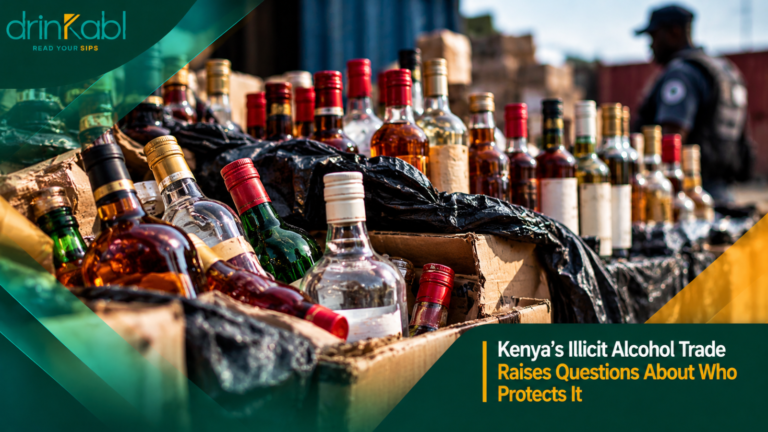
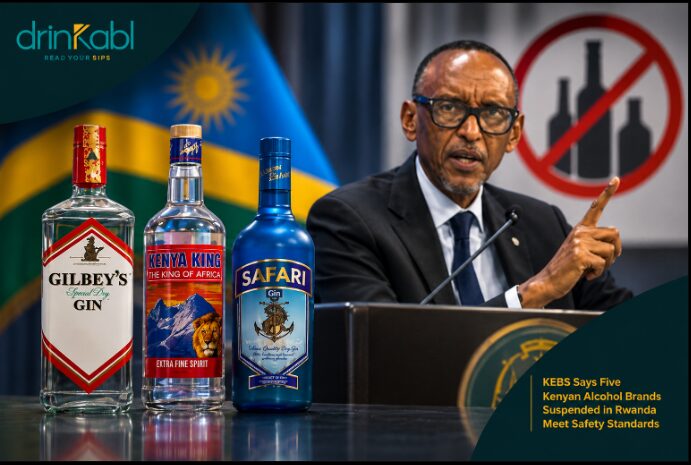

The Kenya Bureau of Standards has defended five Kenyan alcoholic beverage brands temporarily suspended by Rwanda’s food and drug regulator, saying fresh tests and inspections found the products compliant with Kenyan and East African standards, according to Citizen Digital. The affected products are Kenya King Gin and Safari Gin, manufactured by London Distillers Kenya, Avalon and Sweet Berry Potable Spirits, produced by Zheng Hong (K), and Gilbey’s Gin, manufactured by Kenya Breweries.
The Rwanda Food and Drugs Authority suspended the products on August 5, prompting KEBS to review their certification, manufacturing processes and laboratory records. The products bear valid Standardization Marks and continue to meet the prescribed requirements for quality, safety, and labelling, KEBS said in a statement issued August 11, per The Star. They are certified against East African standards covering gin, vodka and potable spirits, with requirements spanning alcohol content, methanol limits, packaging and labelling.
Fresh inspections back historical data
Historical laboratory reports covering ethyl alcohol content, methanol, higher alcohols, esters, aldehydes and volatile acids were also found to be compliant. KEBS then carried out targeted inspections of the five manufacturers between August 7 and 10, collecting fresh samples for independent analysis. Those inspections covered production controls, traceability, hygiene, sanitation and Good Manufacturing Practices, and the resulting lab analyses again found the products compliant, with the facilities operating within applicable regulatory requirements.
A regional standoff, not a closed case
KEBS said it is now engaging the Rwanda FDA and other East African Community regulators to establish the technical basis for the suspension and pursue a resolution through established EAC mechanisms, according to ChimpReports. The Bureau framed its findings as a reflection of its own conformity assessment work rather than a dismissal of Rwanda’s regulatory role. It also pointed to its wider surveillance programme, noting it sampled 69 potable spirit products in Kenya during the 2024/2025 financial year, all found compliant.
For the five manufacturers, the immediate issue is no longer just Rwanda’s suspension but the gap between Kenyan and Rwandan regulatory findings on the same products. KEBS said it remains committed to protecting consumers and maintaining confidence in Kenyan goods across the EAC, and urged consumers to verify Standardization Marks and report suspected substandard products through its Wajibika Na KEBS programme.
Read More
- Ibadan Traders Protest NAFDAC’s Sachet Alcohol Ban
- United Beverages Gets ECAE Quality Certification
- Why Africa’s Beer Industry Still Has Room to Grow