
Consumer soft drink brands have spent years trying to earn a seat at the culture table. Diet Coke has now pulled one up, attaching itself to one of the most anticipated film releases of the year through a campaign that reframes its aluminium can as a fashion object.
The trigger was the sequel itself. With The Devil Wears Prada 2 generating sustained pre-release attention across fashion media, Coca-Cola’s diet cola brand moved to embed the product inside the film’s visual world before the first screening, commissioning work designed to travel alongside the theatrical rollout rather than simply sponsor it.
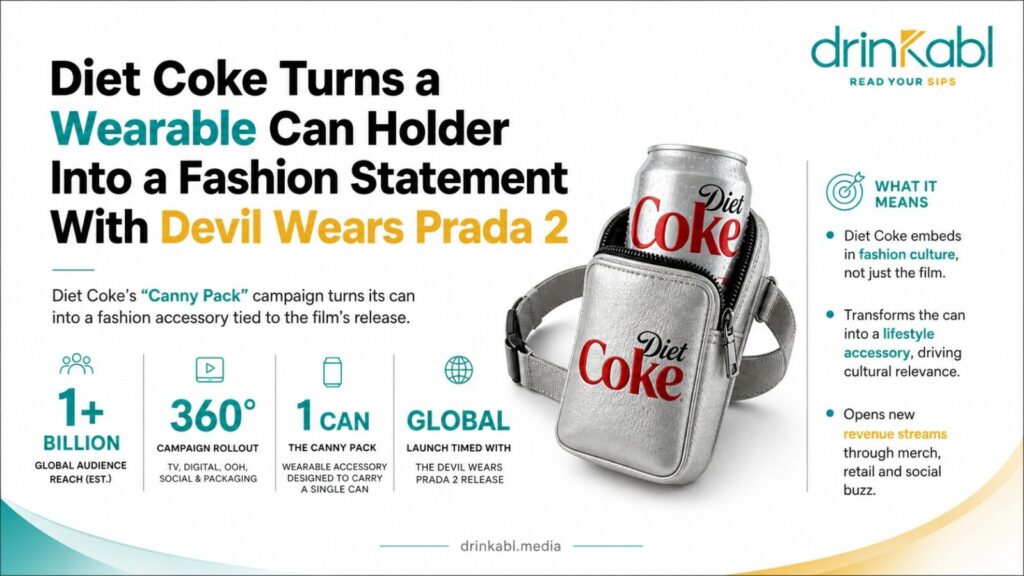
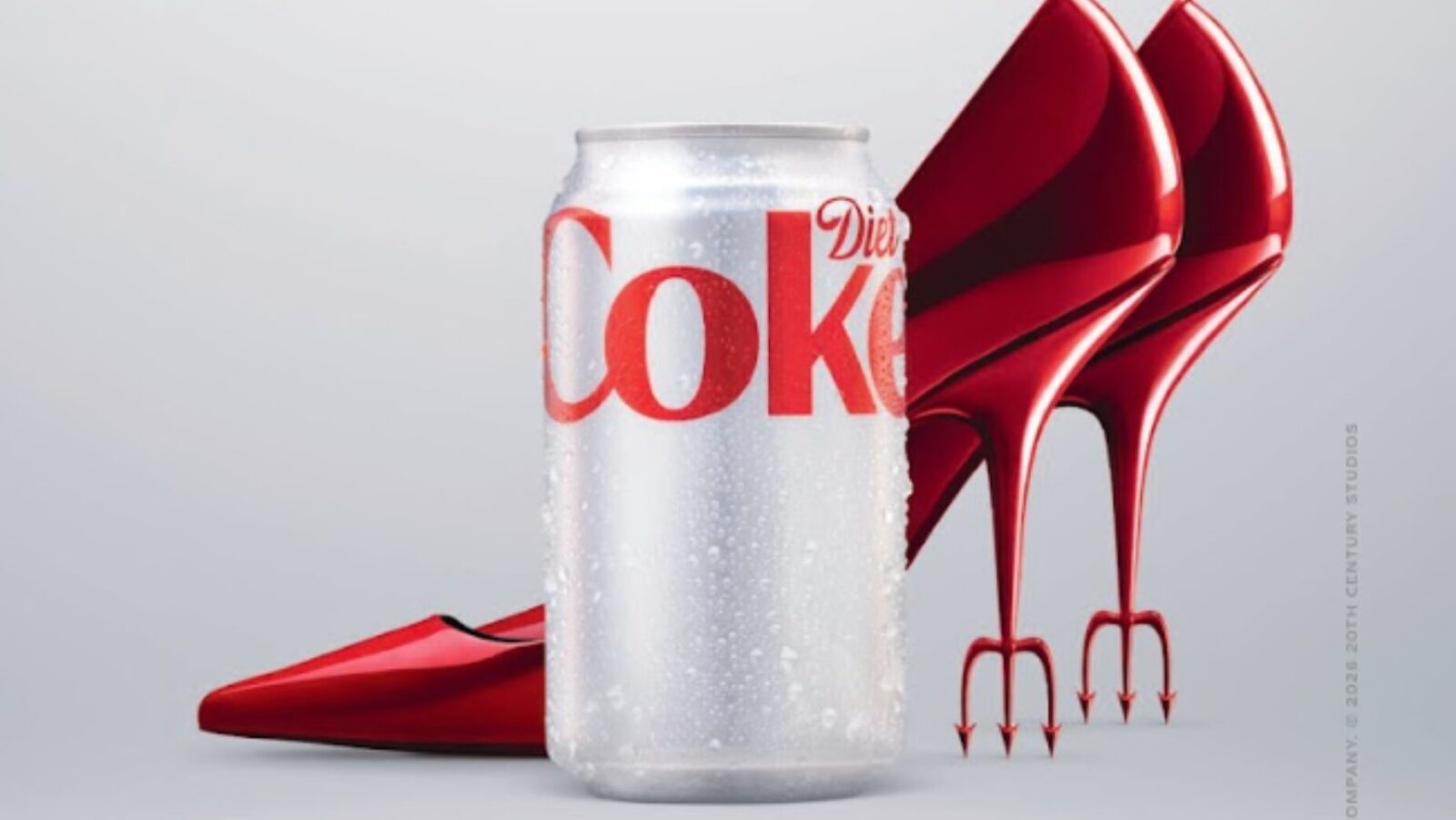
Diet Coke has launched the “Canny Pack” campaign, developed by Ogilvy under WPP Open X, built around a wearable accessory designed to carry a single can. The activation runs across television, digital, out-of-home, social media, and branded packaging, timed to the global release of The Devil Wears Prada 2. A short film titled “That’s All” anchors the campaign, set outside the film’s fictional Runway magazine offices and centred on the support staff who sustain the building’s day-to-day operations, with a Diet Coke break at its core.
Diet Coke has long carried an association with a particular kind of confident, urban femininity, and the Devil Wears Prada franchise sits squarely in that cultural register. Rather than pursue product placement, the brand has built a parallel creative asset that borrows the film’s aesthetic codes without requiring screen time. The “Canny Pack” translates the product into the language of accessories, a category where perceived value is governed by association and editorial context rather than function. For a beverage brand operating in a carbonated soft drinks segment where volume growth is modest and differentiation increasingly difficult, the move into fashion-adjacent territory offers a credible route to relevance among consumers who respond to culture over category.
Ogilvy’s execution reflects a broader shift in how heritage soft drink brands are approaching identity. The campaign does not lead with taste, ingredients, or calories. It leads with a world, the pressured glamour of the fashion industry, and positions Diet Coke as the quiet constant within it. The short film reinforces this by directing narrative attention away from the principals and toward the people who keep the machine moving, a choice that broadens the brand’s emotional range without abandoning its aspirational core.
The implications extend beyond a single campaign budget. A beverage successfully repositioned as a wearable accessory, even temporarily, creates downstream commercial options: limited-edition merchandise, retail partnerships, and the kind of organic social sharing that paid media cannot replicate. It also raises the competitive floor for what rival brands must produce to match cultural credibility in the same consumer segment. For broader context on how Coca-Cola has been deploying capital across its key markets, Drinkabl.media’s coverage of the company’s R17.6 billion commitment to South Africa through 2030 illustrates a parent company funding infrastructure and brand presence in parallel.
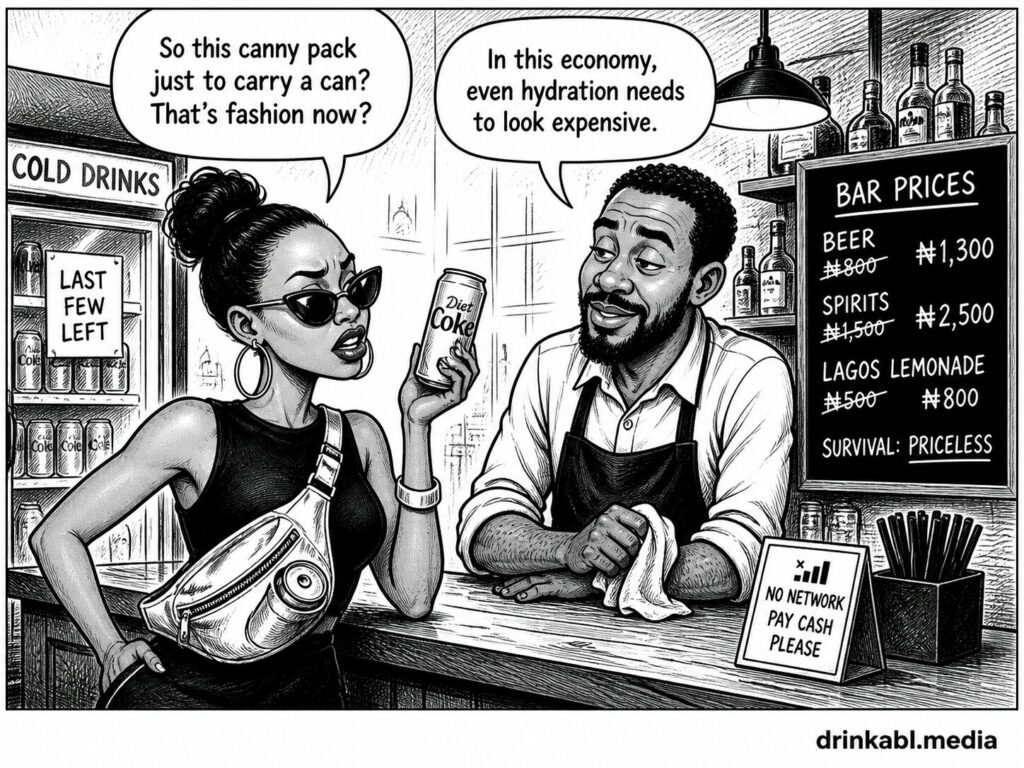
The campaign’s rollout coincides with the film’s theatrical release calendar. Whether the “Canny Pack” moves beyond a promotional object into a commercially distributed product will depend on consumer response during the launch window. The brand has used a major entertainment moment to produce independent creative work that can travel on its own. That outcome is neither guaranteed to sustain nor easy to replicate, and the industry will be watching whether it converts into measurable share movement before the sequel’s promotional window closes. For more on how RTD and lifestyle-led beverage formats are reshaping consumption patterns across the continent, see Drinkabl.media’s analysis of how Africa and the Middle East are reshaping the global beverage map.
Read More
Nigeria’s brewers sound the alarm on the three-year excise plan, with ₦425bn on the line
Canned convenience: how RTDs and hard seltzers are reshaping alcohol consumption in Africa
How health, innovation and youthful demands are driving Africa’s beverage industry in 2026