
World Rum Day is only seven years old. The spirit it celebrates carries centuries of trade, exploitation and reinvention.
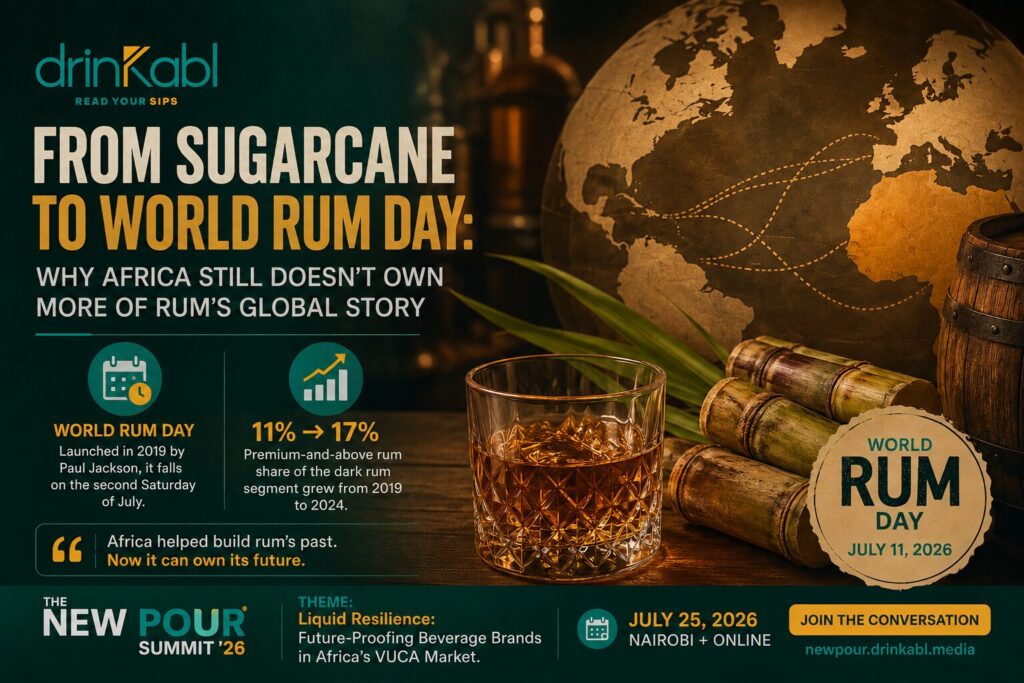
Launched in 2019 by spirits writer and World Rum Guide editor Paul Jackson, World Rum Day falls on the second Saturday of July, giving rum its own place on the increasingly crowded global drinks calendar. This year, the celebration lands on July 11.
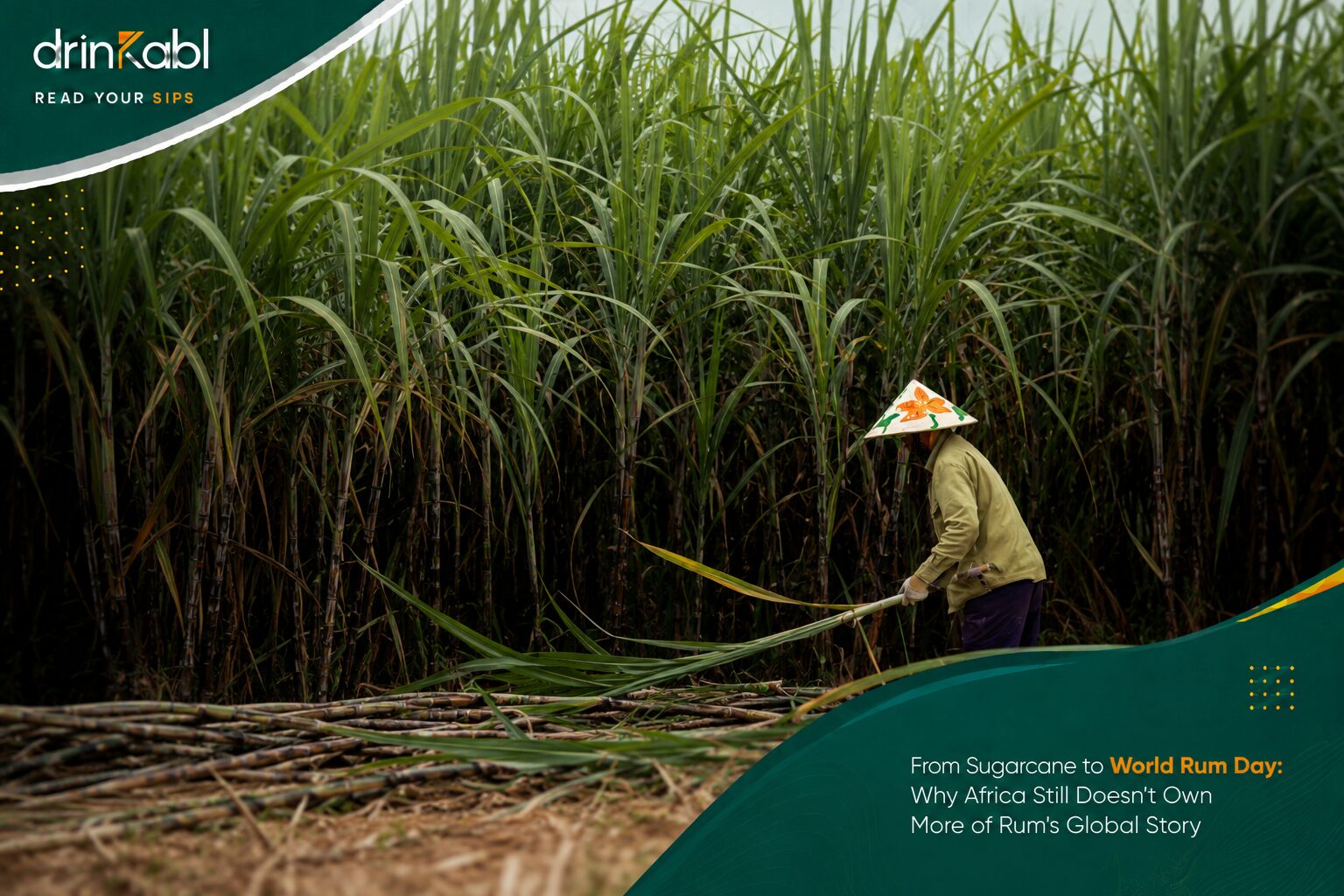
But rum’s story began long before anyone thought of giving it a day. Fermented sugarcane drinks have existed in different forms for centuries, but the history of modern rum is most closely tied to the Caribbean sugar economies of the 17th century. Molasses, a by-product of sugar refining, could be fermented and distilled into a spirit that would eventually travel through ports, naval fleets and expanding colonial trade networks.
It is also a history inseparable from slavery. Enslaved Africans provided the labour that powered plantation sugar economies, while sugar and molasses became deeply embedded in the Atlantic commercial system from which rum emerged.
Centuries later, the language around rum is changing. The category spent much of the modern era associated with cocktails, mixers and mass-market brands. Now aged expressions, provenance and production methods are receiving greater commercial attention. Premium-and-above rum remains a niche, but its share of the dark rum segment rose from 11% in 2019 to 17% in 2024, according to IWSR data reported by The Spirits Business.
That shift raises an uncomfortable question for Africa. The continent was deeply connected to the human history behind the Atlantic sugar economy. Today, African markets also have sugarcane production and distilling capabilities. Yet there is still no widely understood global map of African rum origins comparable with Jamaica, Barbados or Guyana.
Mauritius may offer the clearest challenge to that absence. In March, Mauritius submitted “Mauritius Rum / Rhum de Maurice” for geographical indication protection under a future agreement with the European Union. The move matters because geographical recognition is ultimately about more than a label. It connects product, place and commercial identity.
Mauritian producers have already shown how that story can be built. Distilleries such as Rhumerie de Chamarel have positioned local cane, production and origin as part of a premium spirits identity rather than treating rum simply as another commodity alcohol. So, on World Rum Day, Africa’s question should not be whether it can make rum.
It already does, the bigger question is whether African producers can turn cane, place and distilling heritage into protected, recognisable and globally valuable rum identities.
Rum has spent centuries evolving. Perhaps Africa’s opportunity is to decide where it enters the story next. Africa’s rum opportunity points to a much bigger industry question: who builds, brands and captures the value of the continent’s next beverage categories?
At The New Pour Summit ’26, beverage leaders, strategists and industry builders will examine the forces shaping Africa’s drinks future, from innovation and market intelligence to brand building, distribution and growth.
Join the conversation on July 25, in Nairobi and online.