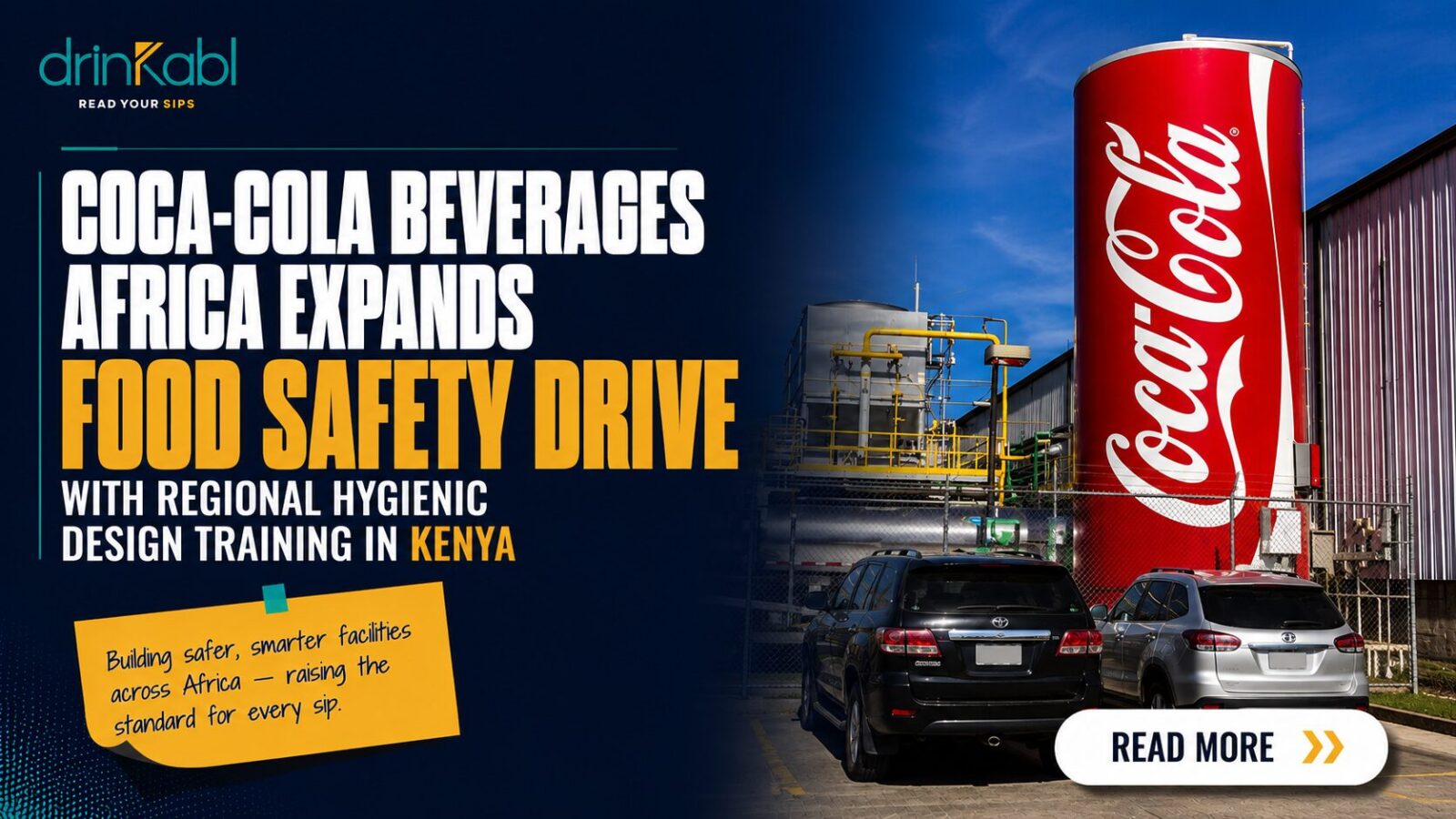

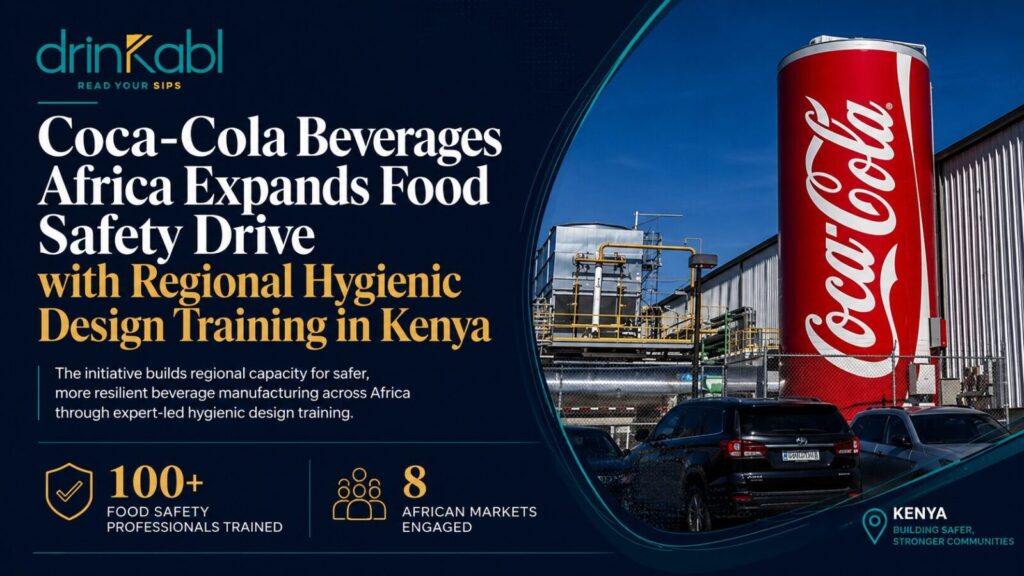
The bottler has completed a five-day hygienic design certification programme in Kenya, bringing together technical teams from five African markets as it strengthens food safety standards and operational consistency across its manufacturing network.
Coca-Cola Beverages Africa (CCBA) has concluded a five-day Hygienic Design (HD) Certification Training Programme in Kenya, bringing together participants from Kenya, Malawi, Namibia, Uganda and the company’s wider African operations as part of its drive to strengthen food safety and manufacturing standards across the continent.
The programme was delivered through a collaboration between Coca-Cola Beverages Africa and The Coca-Cola Company’s Africa Operating Unit (AOU). It forms part of CCBA’s broader capability-building strategy aimed at improving hygienic design practices, microbiological risk management and operational performance across its production facilities.
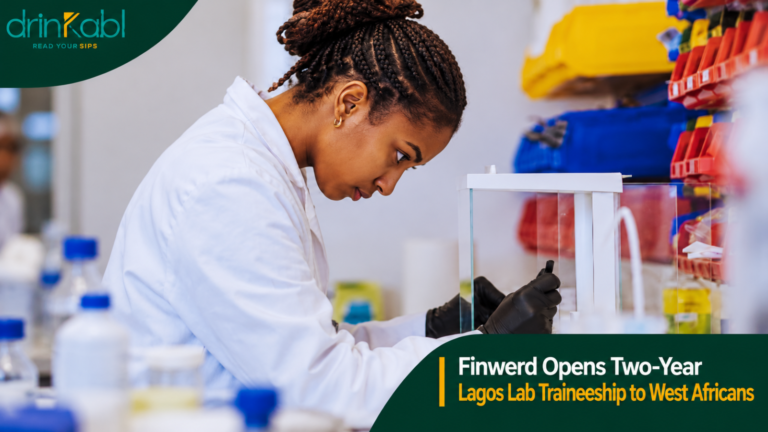
During the training, participants received technical instruction on hygienic equipment and facility design, contamination prevention, risk identification and the application of international best practices in food manufacturing. The programme combined classroom sessions with practical exercises, enabling attendees to apply the principles directly to manufacturing environments.
The regional nature of the programme also reflects CCBA’s push to standardise manufacturing practices across its African footprint. By bringing together technical specialists from multiple countries, the company aims to improve knowledge sharing and create greater consistency in how food safety systems are implemented across its operations.
CCBA said the programme also strengthened collaboration between markets, allowing participants to exchange operational experience and align on common food safety expectations. According to the company, feedback from attendees highlighted the practical value of the training and its relevance to day-to-day manufacturing operations.
For beverage producers, hygienic design extends beyond regulatory compliance. Equipment and production lines designed to minimise contamination risks can reduce product recalls, improve cleaning efficiency, lower downtime and help protect brand reputation in increasingly quality-conscious markets.
The initiative comes as beverage manufacturers across Africa face growing pressure from regulators, customers and consumers to demonstrate stronger food safety controls and internationally recognised production standards. Investment in workforce capability has become an increasingly important part of that effort, particularly as companies expand production capacity and modernise manufacturing facilities.
For Coca-Cola Beverages Africa, the certification programme forms part of a wider operational strategy focused on improving manufacturing resilience, protecting product quality and embedding consistent food safety practices across one of Africa’s largest beverage production networks. Continued investment in technical capability is likely to remain central to that strategy as the company expands and upgrades its operations across the continent.