
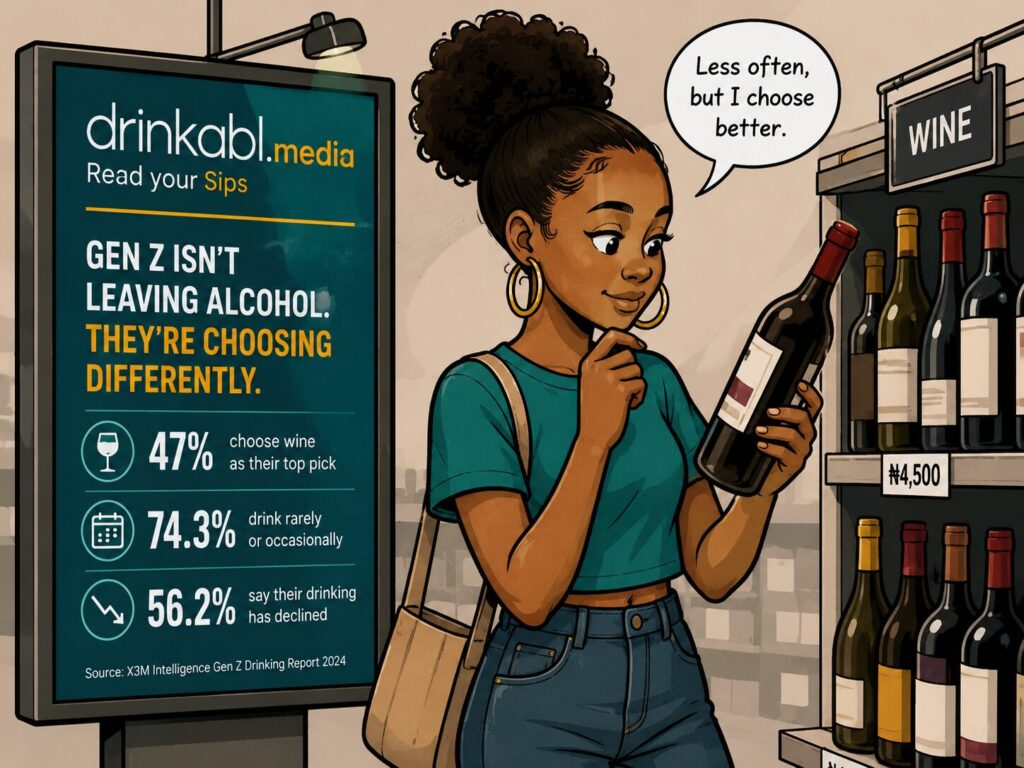
X3M Ideas has released a consumer intelligence study on Nigerian Gen Z alcohol consumption, finding that 74.3 per cent of respondents drink rarely or occasionally, yet that the generation has not abandoned the category, according to the report’s figures.
The study, carried out by X3M Intelligence, the agency’s insights and strategy unit, was presented by Strategy Lead Ayoade Omolola to marketers, beverage executives and media at the Lagos Marriott Hotel Ikeja on Friday, May 9. The nationwide online survey covered 1,015 respondents aged 18 to 28, supplemented by two focus group discussions involving 15 participants from urban and semi-urban Lagos, bringing the total sample to 1,030.
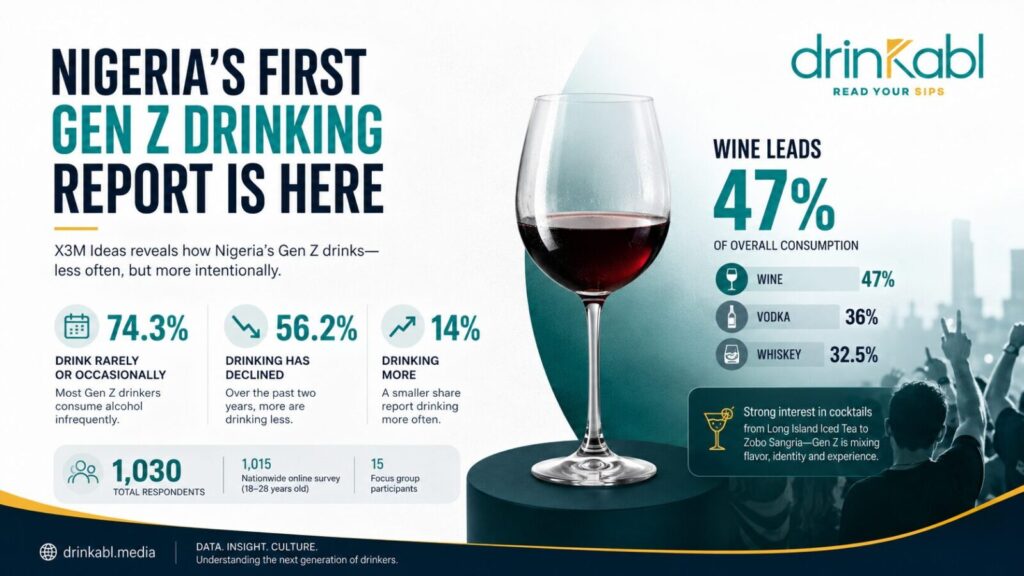
The headline finding splits the common narrative. While 56.2 per cent of respondents said their alcohol consumption had declined over the past two years and only 14 per cent reported drinking more, the report argues that reduced frequency does not equal category exit. Nigerian Gen Z consumers are drinking less often, but doing so more selectively, with greater emphasis on taste, wellness, identity and shared experience.
“There has been so much hearsay about Gen Zs, like what they do and what they don’t do. We felt that instead of relying on assumptions, we should go and interrogate these opinions and see whether there is any truth or substance to them.”
— Steve Babaeko, CEO and Chief Creative Officer, X3M Ideas
The most commercially striking result is wine’s dominance in category preference. According to the report, wine accounted for 47 per cent of overall consumption and 42.4 per cent of purchases, ahead of vodka at 36 per cent and whiskey at 32.5 per cent. As Drinkabl.media has reported previously, Nigeria’s alcohol market has been under sustained pressure from falling consumer purchasing power, making the Gen Z preference for wine over spirits a commercially significant signal for brewers and importers alike.
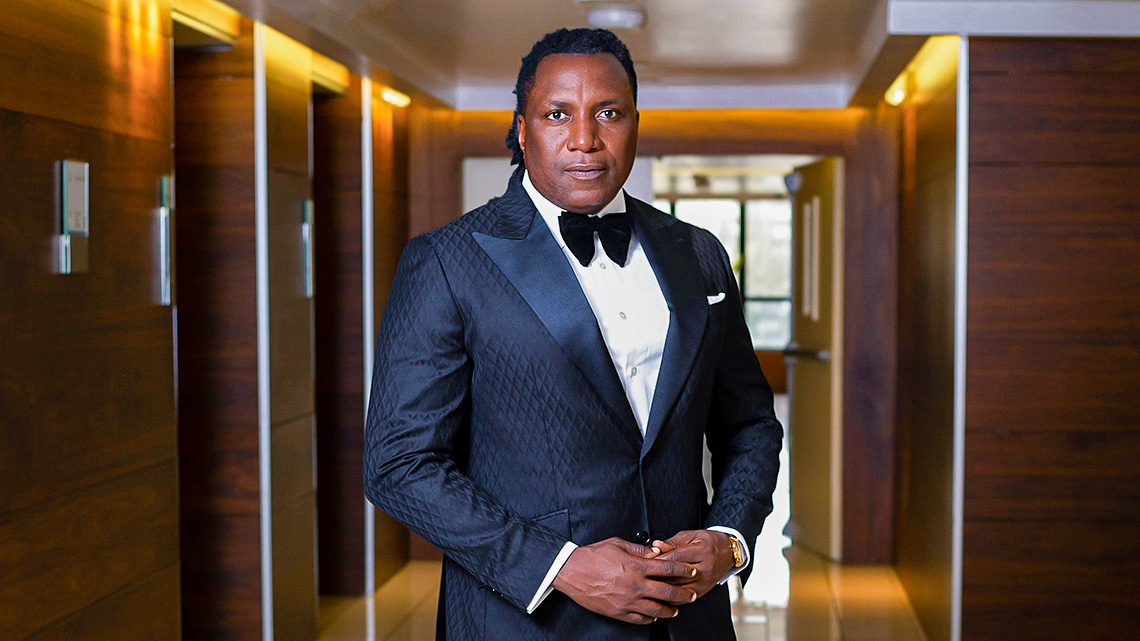
Steve Babaeko, Chief Executive Officer and Chief Creative Officer of X3M Ideas, said the agency launched the study to replace assumption with data. “There has been so much hearsay about Gen Zs, like what they do and what they don’t do,” he told journalists after the presentation. “We felt that instead of relying on assumptions, we should go and interrogate these opinions and see whether there is any truth or substance to them.”
The wine finding surprised even Babaeko. “They say Gen Z people drink more wine,” he said, reflecting on the result. “I didn’t see that coming.”
Beyond client service, the study also surfaces Gen Z’s growing interest in cocktails. Despite cocktails not appearing as a formal survey option, respondents volunteered preferences including Long Island Iced Tea, Chapman Remix, Palmwine Spritz and Zobo Sangria across both quantitative and qualitative responses. X3M Intelligence reads this as a demand signal for ready-to-drink products that replicate the cocktail experience.
Babaeko said the report reflects a wider commitment at X3M to building research capacity independent of client-supplied materials. “We are not an agency that is going to take hook, line and sinker any material that the client gives us,” he said. “We want to be able to say that we did our own study and what we found is slightly different.”
Omolola, who led the research design and directed how findings would be presented, said the team conducted early immersive fieldwork at the University of Lagos before formalising the study methodology. The full report is available to the market through this link.
Read More
Africa’s Drinks Industry Has a Sober Problem, & a Bigger Opportunity
These Are the 20 Nigerian Beverage Companies to Watch in 2026