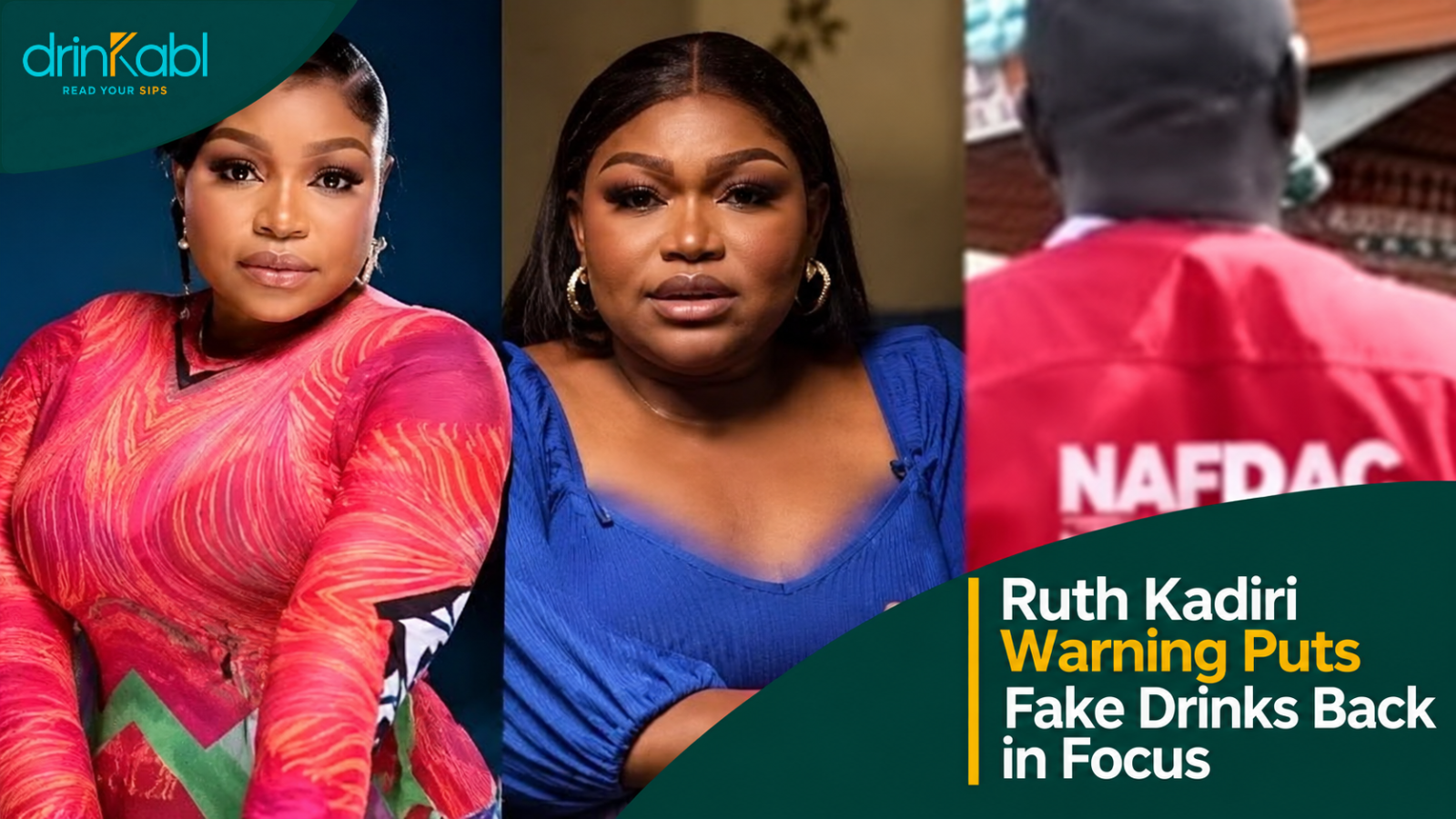

Nollywood actress and filmmaker Ruth Kadiri has warned about counterfeit products in Nigeria, raising fresh concern over the safety of packaged drinks and other consumer goods. In a video shared on October 4, Kadiri urged consumers to check expiry dates and NAFDAC registration numbers, while calling for stronger enforcement against producers and sellers of suspected fake products.
Kadiri’s warning came after she said garlic she bought turned green after blending, although there is no independent evidence that the product was counterfeit or unsafe. Her wider concern about drinks comes as regulators continue to uncover illicit beverage operations, while consumers and public figures have raised questions about the authenticity of drinks sold in markets and nightlife venues.
The beverage risk
Kadiri said she is cautious about buying packaged drinks for her children because of concerns about what some products might contain. She grouped beverages with food, medicines, cosmetics and household goods that Nigerians may buy believing they are safe, and urged people to report suspicious production or distribution activity. Her comments reflect a consumer concern that regulators have repeatedly encountered in the drinks trade.
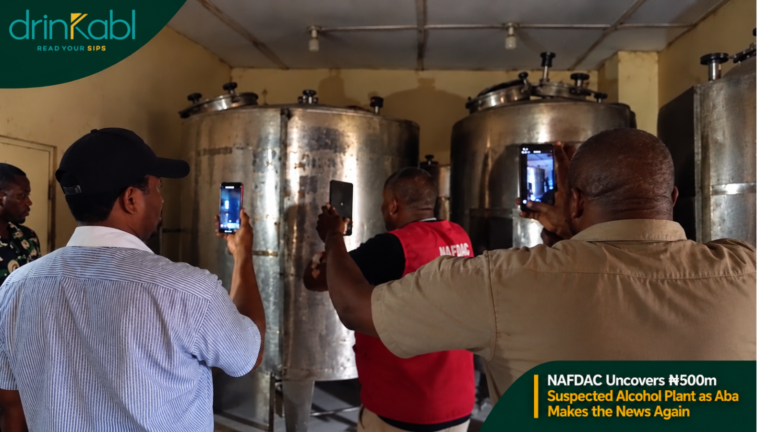
A September operation in Badagry illustrates the issue. Officials shut an alleged illegal juice factory where two women were arrested over a product carrying a NAFDAC registration number that authorities said did not match the product in the regulator’s records. The operation recovered finished cartons, labels, machinery and other materials, while officials alleged that the drink contained water, flavourings, sweeteners and colourants rather than fruit.
BNXN raised a similar alarm
Kadiri is not the first Nigerian entertainment figure to raise concerns about fake drinks. In December 2023, singer BNXN said he had been served what he described as a counterfeit drink at a Lagos lounge and warned clubs against selling fake products to customers paying for genuine brands. He did not identify the venue, meaning the allegation was not independently established, but his complaint highlighted the difficulty consumers face when authenticity is assumed simply because a drink is being served inside a recognised nightlife business.
The problem is wider than premium spirits or nightlife. Recent enforcement has also reached locally produced soft drinks and informal alcohol, creating risks for legitimate beverage companies whose products compete against cheaper illicit alternatives. For manufacturers, counterfeit packaging can also damage brand trust when consumers associate a genuine name with a product that the company did not make.
The safety question
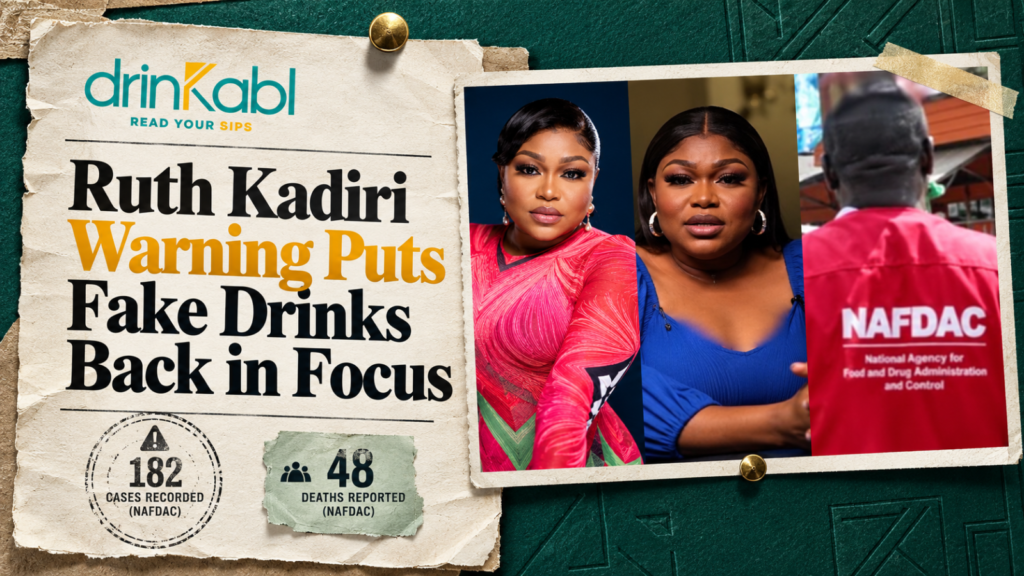
The stakes became clearer in September when laboratory testing of 15 unlabelled alcoholic and herbal drink samples linked to deaths in Ondo State found high concentrations of methanol. NAFDAC had recorded 182 cases and 48 deaths as of September 17, while five survivors were reported to be totally blind. The investigation is separate from branded counterfeiting, but it shows the danger of drinks entering consumption without reliable information about their maker, ingredients or production conditions.
That distinction matters for the beverage industry. A counterfeit product deliberately presented as a genuine brand is different from an unlabelled locally produced drink, but both expose weaknesses in traceability and consumer protection. For registered manufacturers and distributors, the commercial issue is also significant because illicit products can compete on price while using familiar packaging or claims that consumers associate with established brands.
Kadiri’s call therefore lands at a point when enforcement is already moving beyond individual products. NAFDAC has been pursuing illicit production and distribution, while consumers are being encouraged to verify registration information rather than rely only on packaging. Its public register provides a route for checking regulated products before purchase.