
Africa Illicit Beverage Watch scans the continent weekly to track illicit beverage activities, protecting operators and brand distributors against counterfeit risks and regulatory shifts. For comments, corrections, or interviews, reach out to hello@drinkabl.media.
Methanol Deaths and Raids Expose Africa’s Illicit Alcohol Chain
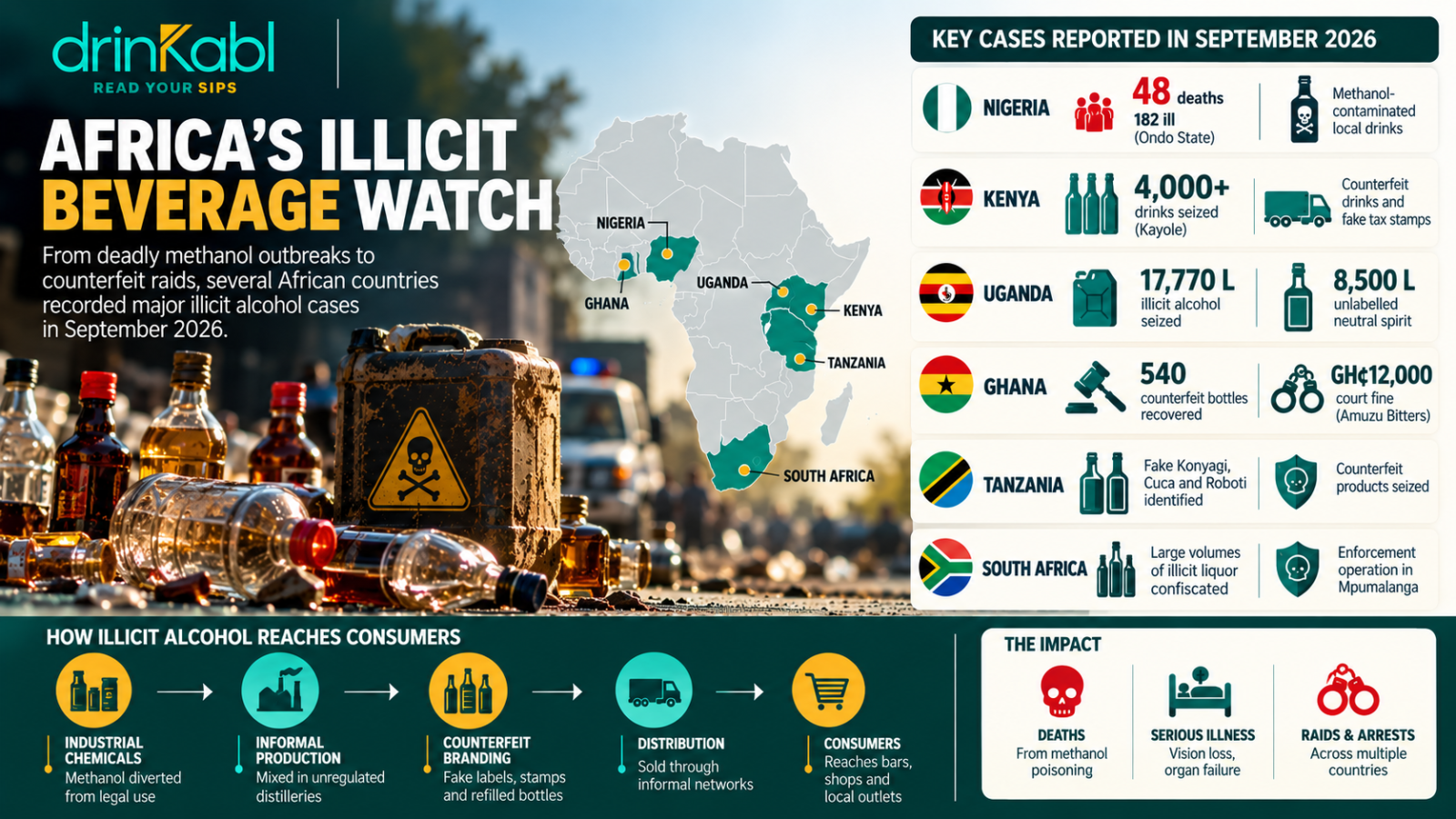
Nigeria’s food and drug regulator said 48 people had died and 182 had fallen ill in Ondo State after drinking locally made alcoholic and herbal drinks that preliminary tests found high in methanol. Fifteen people have been arrested. The outbreak, first reported in early September 2026, came in a month when Kenya, Uganda, Ghana and Lagos also announced raids and recalls.
The Ondo samples were unlabelled, so no brand has been named and none is a confirmed victim of counterfeiting. Kenya, Uganda and Ghana produced separate September cases in which branded drinks were copied, tax stamps forged or bottles refilled. The distinction matters to the trade because a poisoning outbreak and a counterfeit raid call for different responses from regulators and brand owners.
What the Ondo Tests Found
NAFDAC screened 15 unlabelled samples from the outbreak area, and gas chromatography confirmed high methanol concentrations in the drinks. Every sample made laboratory mice critically ill, and six of the 15 killed about half the animals. Eleven samples also tested positive for Cannabis indica. The agency calls the findings preliminary.
Several questions remain open. Reported deaths first stood at 31, with 20 in Odigbo Town and 11 in Araromi-Obu, before reaching 48, and Ondo’s health commissioner has since put the toll at 49. The 15 people in custody are suspects over production, sale and distribution, and it is not yet known whether one batch or several caused the poisoning.

Methanol Supply and Precedent
The Nigerian Medical Association has urged agencies to tighten control over toxic industrial chemicals such as methanol so they cannot be diverted into drink production, and to act against informal distilleries and herbal mixture blenders. Methanol is an industrial solvent that the liver converts into formic acid, which can cause blindness, organ failure and death.
The same communities have been here before. A methanol outbreak in Irele and Odigbo in April 2015 recorded 37 cases and 27 deaths, and the latest cases appeared in the same part of Ondo 11 years later. Whether any agency carries responsibility for the gap has not been established.
| Case | Date | Classification | Evidence strength |
|---|---|---|---|
| Ghana Arcan Bitters | 4 September 2026 | Confirmed adulteration | FDA laboratory finding + recall |
| Uganda illicit alcohol | 28 September 2026 | Confirmed regulatory seizure | UNBS enforcement record |
| Tanzania fake Konyagi/Cuca/Roboti | 1 September 2026 | Authorities identified as counterfeit | Police/TRA report |
| Kenya Kayole | 2 September 2026 | Suspected/identified counterfeit | Multi-agency seizure |
| Kenya Thika | 13 April 2023 | Counterfeit | DCI/KRA operation + fake stamps |
| Kenya Ruai | 5 September 2026 | Counterfeit | DCI + fake KRA stamps |
| Kenya Meru | 30 September 2026 | Suspected counterfeit | NACADA/police; chemical analysis pending |
| Nigeria Badagry | 25 September 2026 | Suspected adulterated production | Police seizure/investigation |
| Nigeria Akwa Ibom | 26 September 2026 | Suspected fake/adulterated gin | Police investigation |
| Nigeria Ondo | 3–7 September 2026 | Suspected methanol contamination | Health authorities + police investigation |
| South Africa Mpumalanga | 18 September 2026 | Illicit liquor | Government enforcement |
| Benin Parakou | 3 September 2026 | Reported counterfeit production | Police raid/report |
| Spain León | 3 September 2026 | Illegal alcohol | Guardia Civil intervention |
| Ghana Amuzu Bitters | 4 February 2026 | Confirmed counterfeit | Court conviction + GRA/FDA authentication |
Kenya’s Raids and Fake Stamps
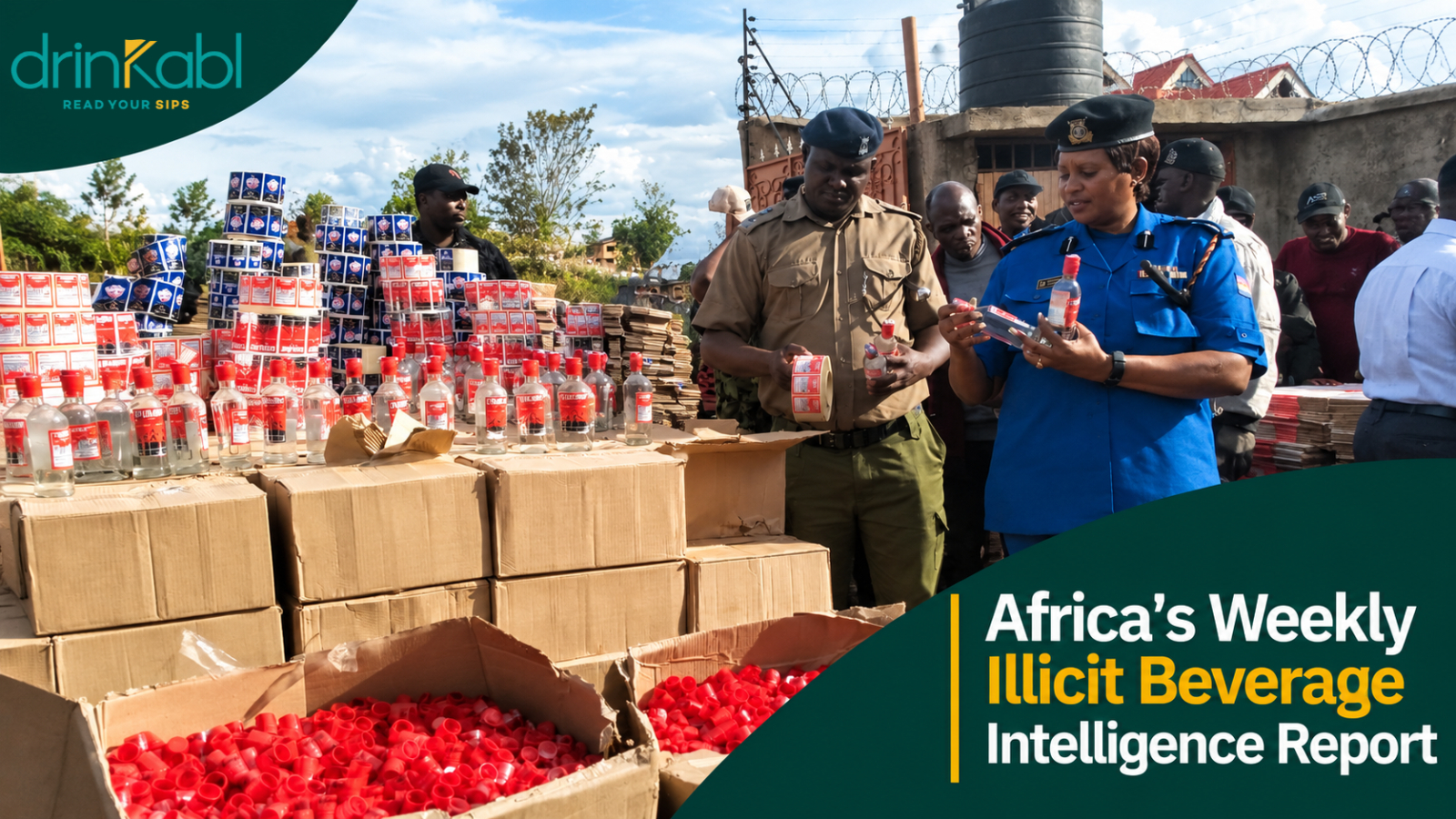
On 2 September a team led by NACADA, Kenya’s authority for alcohol and drug abuse campaigns, seized more than 4,000 assorted drinks, over 250 cartons, at a suspected distribution hub in Kayole, Nairobi. Two suspects were arrested. The raid followed a ten-day operation across eight Nairobi sub-counties in late August that produced 11 arrests and turned up suspected counterfeit products and fake Kenya Revenue Authority excise stamps.
On 2 October police in Lari, Kiambu County, stopped a tanker disguised as a fuel carrier on the Nairobi-Nakuru Highway. It held about 10,000 litres of suspected industrial ethanol, and three people were arrested. Kiambu County Commissioner George Matundura said the load could have produced drinks worth Ksh28 million, but samples are with the Government Chemist and the substance is not confirmed as ethanol.
Refilled Bottles, Cloned Codes
Robi King’a, chief executive of Kenya’s Anti-Counterfeit Authority, said on 10 September that 77 per cent of seized illicit alcohol is locally made, against 15 per cent imported and 8 per cent of unknown origin. He told senators that counterfeiters clone genuine QR codes, replay valid serial numbers and refill branded bottles with other liquid. A genuine bottle is therefore no proof of genuine contents.
The authority’s digital system does not capture locally made finished alcohol, local bottling or refilling, so it proposed a unique identifier on high-risk products. It named EABL, KWAL, Zheng Hong Kenya and Partiala Distillers as makers whose vodka and cane spirits are among the most exposed, and said it is working with three of them to detect fakes.
Uganda’s Bulk Seizure
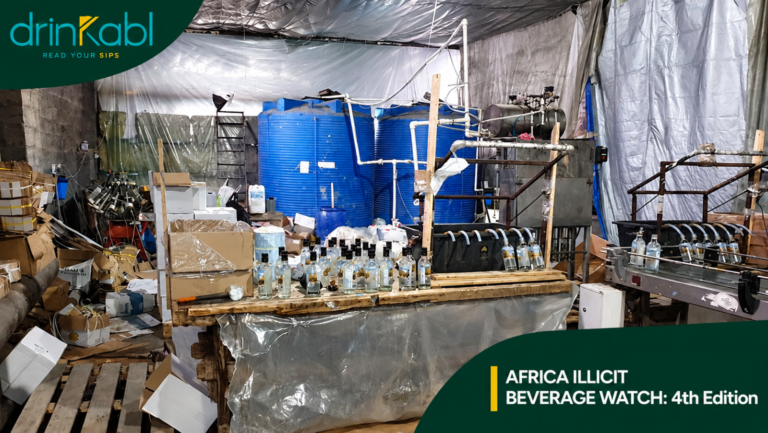
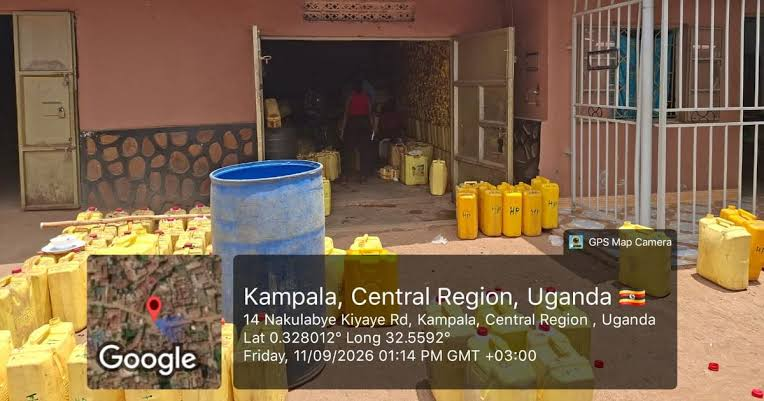
On 28 September the Uganda National Bureau of Standards said it had seized 17,770 litres of illicit alcohol in Nakulabye and Kiwunya, Kampala, after consumer complaints about substandard products. Inspectors also found about 8,500 litres of unlabelled neutral spirit, the base alcohol used to make gin and vodka, and roughly 600 uncertified gin bottles of 200 millilitres each. The largest single haul was 9,120 litres at one store.
The seizure has its critics. A commentary published afterwards argued that some small distillers make neutral spirit that licensed manufacturers could buy if it meets specifications, and that seizing every litre pushes producers out of work. The bureau carried out the operation under its market surveillance regulations and the national standards for potable spirit and labelling.
Ghana’s Court and Recall
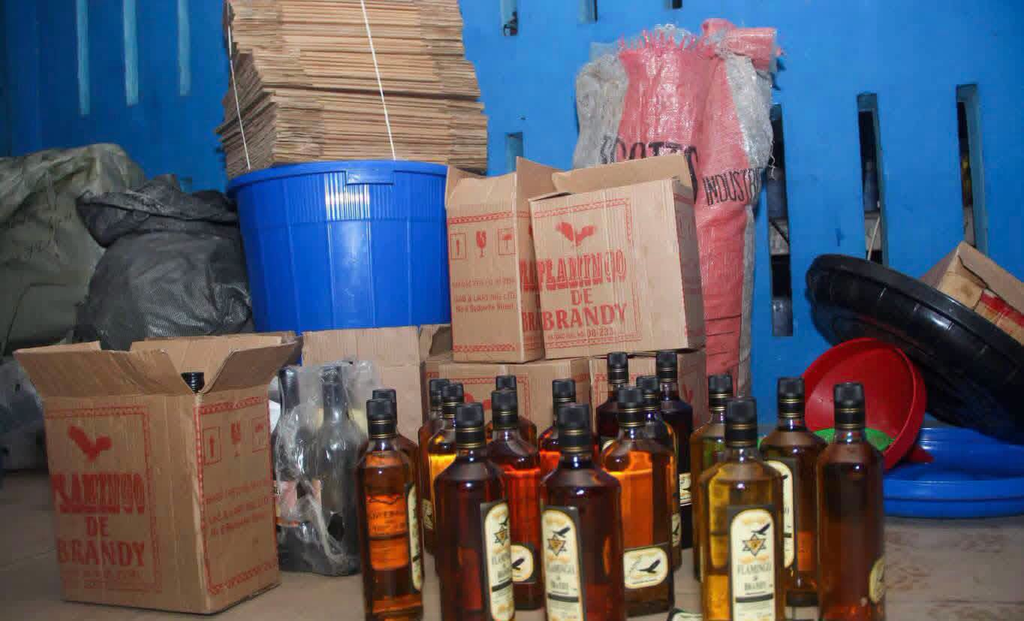
On 7 September the Asokwa Circuit Court Two in Kumasi fined a trader GH¢12,000 after the 53-year-old pleaded guilty to dealing in counterfeit Amuzu Bitters and forging trademarks. Police recovered 45 cartons of 12 bottles each, 540 bottles in all, carrying forged Ghana Revenue Authority tax stamps. The revenue authority and the Food and Drugs Authority both confirmed the stamps and labels were fake, and the brand owner’s own investigation had led police to the stock.
On 2 September the Food and Drugs Authority ordered Unni Associates Company Limited to recall Arcan Bitters, a 35 per cent alcohol drink, within 14 days after laboratory analysis found undeclared sildenafil citrate, a prescription medicine. The authority also shut the company’s factory at Parkoso in the Ashanti Region and warned of possible prosecution. It describes the finding as adulteration of a registered product.
Lagos and Mbombela
Lagos State Police Command said on 24 September that it had sealed a suspected illegal factory in Yafin, Badagry, and arrested a 48-year-old man. Officers recovered adulterated drinks, empty bottles, assorted wine labels and production utensils. The arrest came less than a week after the Nigeria Security and Civil Defence Corps arrested two women over alleged production of adulterated beverages in the same area.
Investigators are still trying to establish the source of the drinks and where they were headed, and the case remains an allegation. In South Africa, Mpumalanga Premier Mandla Ndlovu led Operation Shanela 2 in Mbombela on 18 September, where police confiscated illicit alcohol worth more than R300,000 from liquor outlets. Ndlovu said owners who dispute a seizure can raise it with the officials involved.
Open Questions
The figures above are counted in litres, cartons, bottles and rand, so they cannot be added into a regional total. Nothing published so far shows whether counterfeiting rose or fell across Africa in September, only where enforcement agencies found it.
The next confirmations are the Government Chemist result on the Kiambu tanker and any charges against the 15 people held in Ondo. Neither had been reported by 4 October.